

FDA grants breakthrough status to Nutromics’ drug-monitoring skin patch
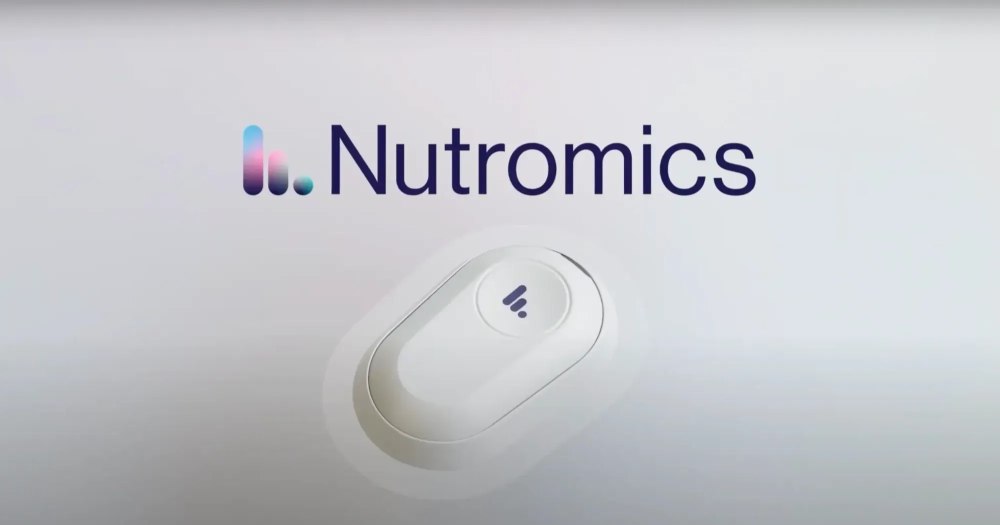
Nearly three million Americans receive vancomycin every year, and getting the dose right is, by most clinical accounts, genuinely hard. The antibiotic is a frontline treatment for sepsis and other life-threatening infections, but its dosing window is narrow, and current monitoring methods are slow. That's the problem Australian medtech company Nutromics is trying to solve with a wearable patch that tracks drug concentrations in real time, directly through the skin.
The company announced this week that the US Food and Drug Administration has granted its vancomycin Therapeutic Drug Monitoring (TDM) Patch a Breakthrough Device Designation (BDD). The designation is not approval for commercial use. But it is a meaningful regulatory signal: the FDA reserves it for technologies that address life-threatening or irreversibly debilitating conditions and that show a credible likelihood of offering better treatment or diagnosis than what currently exists.
The patch is still investigational and has not received FDA marketing authorization. Nutromics is targeting a potential US commercial launch in 2027, subject to regulatory clearance.
How does it work?
Nutromics describes its technology as a wearable lab-on-a-patch. The device uses DNA-based biosensors integrated with minimally invasive microneedles, small enough to penetrate the skin without significant discomfort, to continuously measure drug concentrations in interstitial fluid beneath the skin's surface.
For vancomycin specifically, the patch is designed to track how drug levels change over time in individual patients, feeding that data into clinical decision-making in real time. The current standard of care relies on blood draws and laboratory analysis, which introduces delays. Time matters in sepsis. A patient's condition can deteriorate rapidly, and dosing decisions made hours after the fact carry real clinical risk.
In granting the Breakthrough Device Designation, the FDA specifically cited the patch's potential for workflow improvements, increased accessibility, and its expected ability to return results and support modified dosing decisions faster than existing methods. The company published first-in-human data from its molecular monitoring platform in Nature Biotechnology earlier this year, and has since completed ICU clinical studies in Australia.
Vancomycin is the first target, but Nutromics has broader ambitions. The platform is designed for multi-analyte sensing, and the company's pipeline includes planned sensors for molecules associated with sepsis diagnosis and cardiovascular disease management.
Why does it matter?
Therapeutic drug monitoring is not a new concept, but continuous, wearable TDM is. The distinction is significant. Point-in-time blood draws give clinicians a snapshot. A wearable that monitors continuously gives them a film, showing how concentrations rise and fall across a dosing cycle and allowing adjustments before a patient is over- or under-dosed.
Dr George Chiampas, an Emergency Medicine Physician at Northwestern Hospital and a consultant to Nutromics, put it plainly: "Vancomycin dosing for individualized patients is incredibly challenging to get right. Access to real-time, continuous data about drug concentrations would meaningfully and positively impact our ability to make dosing decisions."
For health systems in the Gulf and broader Arab world, where sepsis mortality remains a significant clinical burden and where personalized medicine is a stated priority under national health strategies including Saudi Vision 2030 and the UAE's national health agenda, technologies that move drug monitoring closer to the bedside and away from the central laboratory are worth watching. The region has invested heavily in hospital infrastructure and digital health integration. A validated wearable TDM platform would fit naturally into that trajectory.
The context
The FDA's Breakthrough Device Program was created precisely to compress the timeline between promising early-stage technology and patient access. Designation brings with it more frequent and collaborative FDA engagement during the development process, which can significantly reduce the uncertainty and duration of the regulatory pathway.
Nutromics is an Australian company with operations in both Australia and the United States. Its CEO and co-founder Peter Vranes said the team is "thrilled" by the recognition and committed to working closely with the FDA on study design and submission planning.
The broader wearable biosensor sector has attracted substantial investment globally over the past several years, but most commercial products still measure physical parameters such as heart rate or blood oxygen. Continuous molecular monitoring, measuring actual drugs or biomarkers at clinically meaningful concentrations, is technically far more complex. That complexity is also why the FDA's designation carries weight. It suggests the agency sees a credible path forward, not just an interesting prototype.
If Nutromics meets its 2027 timeline, it would bring to market a product category that does not yet exist commercially. The implications for critical care, antimicrobial stewardship, and personalized dosing would extend well beyond vancomycin.
Latest @
Blueprint lands in the UAE as longevity moves from policy to product
M42 launches 10,000-patient wearable pilot in Abu Dhabi to reshape chronic disease care
Unilabs Middle East and Takalam link diagnostics to mental health in one app
Al Ghurair enters healthcare with Trellis Health launch in Dubai
💡Did you know?
You can take your DHArab experience to the next level with our Premium Membership.👉 Click here to learn more
🛠️Featured tool
 Easy-Peasy
An all-in-one AI tool offering the ability to build no-code AI Bots, create articles & social media posts, convert text into natural speech in 40+ languages, create and edit images, generate videos, and more.
👉 Click here to learn more
