

MIT’s dissolvable battery could reshape ingestible medical devices
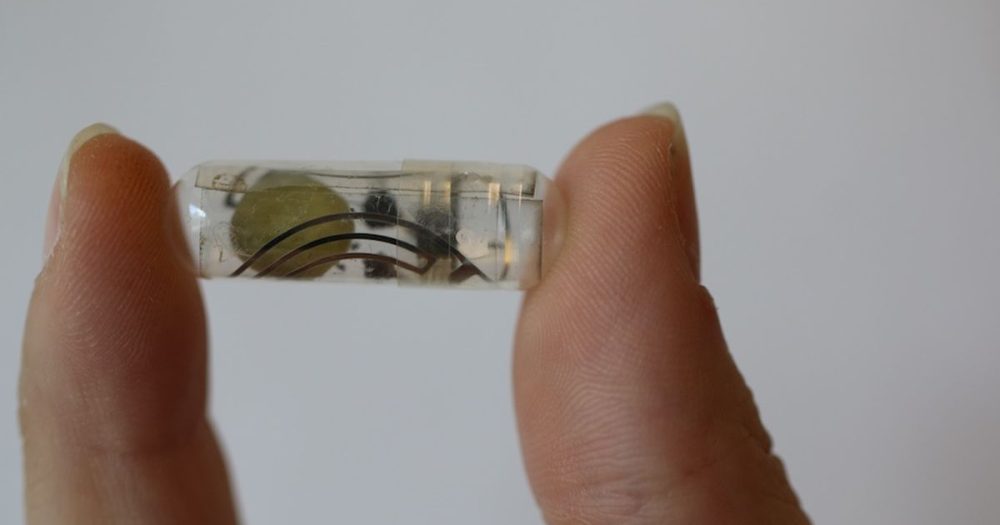
Twenty minutes of electrical stimulation to the stomach wall raised ghrelin levels by 50 percent in animal tests. That result is striking on its own. But the more consequential finding from MIT's latest research may be the battery that made it possible, one designed to dissolve inside the body once its job is done.
Researchers at MIT have developed a bioresorbable battery small enough to power ingestible medical devices and chemically stable enough to work for around three days inside the digestive tract before gradually breaking down. The findings were published in Nature Chemical Engineering. In laboratory conditions mimicking stomach acid, the batteries produced 1.84 volts and successfully powered two separate devices during animal experiments.
The MIT team is not new to this space. Over the past decade, they have built swallowable capsules that track vital signs, deliver drugs, and detect opioid overdoses. Power has always been a limiting factor. Some of their earlier devices draw energy from outside the body or harvest it from the gastrointestinal environment. Others rely on conventional miniature batteries, which carry a risk: if the protective casing is compromised, the contents can become a safety concern inside the body.
How does it work?
The new battery uses magnesium as the anode and molybdenum trioxide as the cathode. Both materials are considered tolerable by the body in small quantities. An ionic liquid gel sits between them, acting as the electrolyte that allows ions to pass between the electrodes.
This combination makes the battery bioresorbable. In an acidic solution designed to replicate stomach fluid, the batteries functioned normally for roughly three days. Output then declined gradually, with full breakdown occurring within a few weeks. Nothing needs to be retrieved. The body processes what remains.
Two device configurations were tested:
- A disc-shaped battery powering an RFID tag inside a capsule designed to confirm whether a patient has taken their medication, extending the system's wireless communication range from inside the digestive tract.
- A rectangular battery inside a device that applies gentle electrical stimulation to the stomach lining, prompting the release of ghrelin, a hormone associated with hunger and appetite regulation.
Why does it matter?
For clinicians and health system planners in the GCC, where non-communicable diseases including obesity, diabetes, and gastrointestinal conditions carry a significant burden, the potential applications are worth watching. Appetite-regulating stimulation, delivered non-invasively through a swallowable device, could eventually offer an alternative or complement to pharmacological approaches. And a dissolvable battery removes one of the main engineering obstacles to making that approach clinically viable.
The medication-tracking system, called SAFARI, is already heading toward a clinical trial expected to begin within two years. That timeline puts it squarely within the horizon of GCC digital health strategies, including those tied to Saudi Vision 2030 and the UAE's ongoing push to integrate remote monitoring and smart health technologies into patient care.
The context
Ingestible electronics have been in development for years, but commercial and clinical adoption has moved slowly, partly because of unresolved questions around power, safety, and retrieval. A battery that resolves the retrieval question by simply disappearing addresses a real regulatory and patient-safety concern.
There is also an environmental angle. Devices that leave the body and enter sewage systems carry a materials burden. Degradable battery components reduce that impact, which will matter as ingestible diagnostics scale up.
Human testing is still ahead, and the jump from animal models to clinical application is rarely straightforward. But the underlying chemistry is sound, the voltage output is functional, and the research team has an established track record with ingestible systems. For anyone tracking the future of minimally invasive diagnostics or digital therapeutics, this is a development worth following closely.
Latest @
Blueprint lands in the UAE as longevity moves from policy to product
M42 launches 10,000-patient wearable pilot in Abu Dhabi to reshape chronic disease care
Unilabs Middle East and Takalam link diagnostics to mental health in one app
Al Ghurair enters healthcare with Trellis Health launch in Dubai
💡Did you know?
You can take your DHArab experience to the next level with our Premium Membership.👉 Click here to learn more
🛠️Featured tool
 Easy-Peasy
An all-in-one AI tool offering the ability to build no-code AI Bots, create articles & social media posts, convert text into natural speech in 40+ languages, create and edit images, generate videos, and more.
👉 Click here to learn more
