

Sheikh Shakhbout Medical City opens early detection clinic for Type 1 diabetes in children
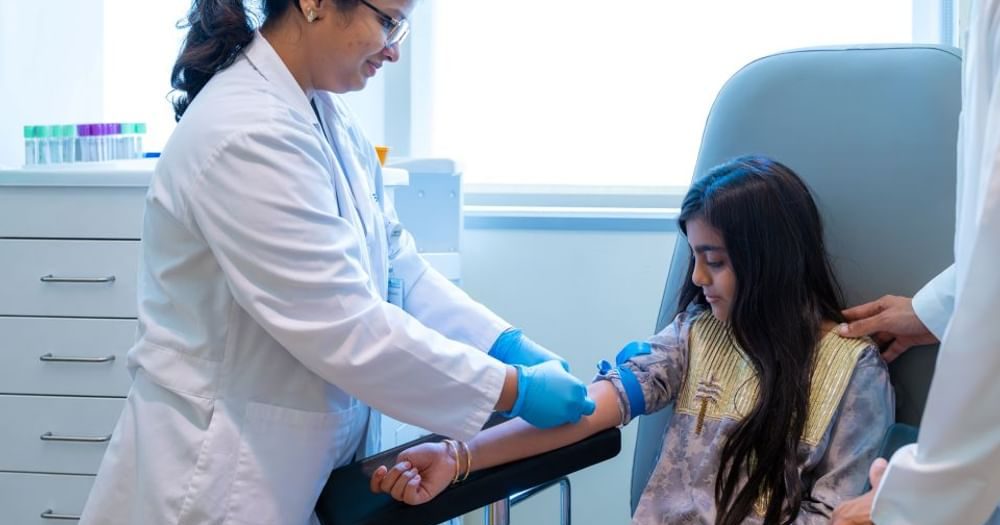
Most people only find out they have Type 1 diabetes after a crisis. A child collapses, blood sugar levels are dangerously high, and a diagnosis follows in the emergency room. Sheikh Shakhbout Medical City (SSMC) in Abu Dhabi wants to change that. The hospital, a subsidiary of PureHealth, has opened a dedicated early detection clinic for Type 1 diabetes, focused specifically on children and adolescents who may be at risk before a single symptom appears.
Type 1 diabetes is an autoimmune condition, meaning the body's immune system attacks the insulin-producing cells in the pancreas. There is no cure. Once the damage is done, patients depend on insulin for life. But the disease does not appear overnight. It moves through distinct stages, and catching it early, before the pancreas is significantly damaged, opens a real window for clinical intervention.
How does it work?
The SSMC clinic is built around screening and structured follow-up. It is designed to identify children who carry the biological markers of early-stage Type 1 diabetes, particularly autoantibodies that signal the immune system has already begun attacking pancreatic tissue. From there, patients enter a monitoring pathway that tracks disease progression. The clinic brings together pediatric endocrinologists, diabetes educators, dietitians, and mental health support, recognizing that a diagnosis at this stage, even before insulin dependency begins, carries significant psychological weight for families.
- Autoantibody screening to detect pre-symptomatic disease
- Structured monitoring pathways for at-risk children and adolescents
- Multidisciplinary team including endocrinology, nutrition, and mental health support
- Family education and counseling integrated into care
Why does it matter?
The Gulf region has some of the highest rates of diabetes in the world, and while Type 2 dominates the headlines, Type 1 is a serious and growing concern, particularly among younger populations. Children diagnosed late, after diabetic ketoacidosis has set in, face greater immediate risk and a harder road to stable management. Early identification allows clinicians to prepare families, delay complications, and in some cases, consider emerging therapies that can slow disease progression during the pre-symptomatic window.
For the UAE, this also fits a broader national direction. Abu Dhabi and the wider federation have invested heavily in preventive care infrastructure over the past decade, and this clinic is a concrete example of that policy becoming clinical reality.
The context
SSMC is one of the largest hospitals in the UAE and sits within PureHealth, the country's biggest healthcare platform. The launch of this clinic reflects a growing recognition across GCC health systems that chronic disease management must start earlier. So while the clinic itself is specialized and focused, what it signals is wider: the region is moving from treating established disease toward catching it before it takes hold. For families with children at genetic risk of Type 1 diabetes, that shift is significant.
Latest @
Blueprint lands in the UAE as longevity moves from policy to product
M42 launches 10,000-patient wearable pilot in Abu Dhabi to reshape chronic disease care
Unilabs Middle East and Takalam link diagnostics to mental health in one app
Al Ghurair enters healthcare with Trellis Health launch in Dubai
💡Did you know?
You can take your DHArab experience to the next level with our Premium Membership.👉 Click here to learn more
🛠️Featured tool
 Easy-Peasy
An all-in-one AI tool offering the ability to build no-code AI Bots, create articles & social media posts, convert text into natural speech in 40+ languages, create and edit images, generate videos, and more.
👉 Click here to learn more
