

NYUAD researchers design a 3D-printed stent that dissolves after doing its job
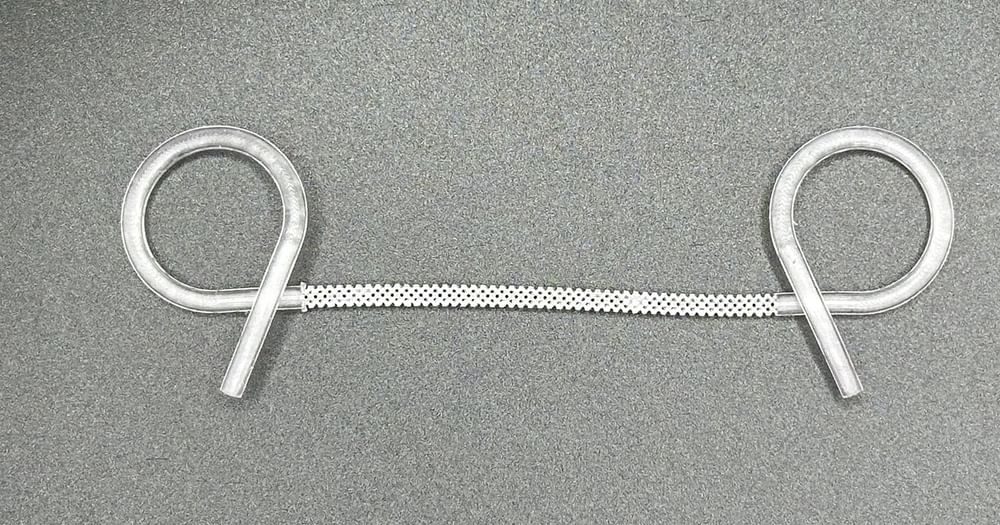
Every year, thousands of patients across the GCC undergo bariatric surgery. For most, the procedure is life-changing. But for a small percentage, a gastric leak develops post-operatively, and that complication can be catastrophic. Current stents used to manage these leaks are made from metal or plastic, require removal under anaesthesia, and carry their own risks. Researchers at New York University Abu Dhabi think there is a better way.
Their answer is BRIDGE, short for Biodegradable aRchitected Internal DrainaGE. It is a 3D-printed gastric stent made from biodegradable materials, designed to treat post-surgical leaks and then dissolve on its own inside the body, removing the need for a second procedure to extract it. The device was developed at NYUAD and represents a serious attempt to solve a problem that has frustrated bariatric surgeons for years.
How does it work?
BRIDGE is printed using biodegradable polymers, shaped through an architected design that allows the stent to conform to the internal geometry of the stomach and oesophagus. Once placed at the site of a gastric leak, it creates a barrier that allows the tissue to heal while fluid drains appropriately. Over time, the material breaks down naturally and is absorbed by the body. The 3D-printing process also means the stent can be produced with a level of structural precision that traditional manufacturing methods struggle to match. And because it is biodegradable, the patient avoids a second endoscopic procedure to remove it, which carries its own anaesthetic and procedural risk.
Why does it matter?
Gastric leaks following bariatric surgery carry significant mortality risk if not managed quickly and effectively. Existing stent options have real drawbacks:
- Metal stents can migrate from their original position, potentially causing further complications
- Plastic stents often require removal under sedation or general anaesthesia
- Neither type is designed to degrade, meaning a follow-up intervention is always necessary
- Standard stents are not customised to individual patient anatomy, which can affect how well they seal the leak site
BRIDGE addresses each of these issues directly. If clinical trials confirm its safety and efficacy, it could become the preferred option for a condition where surgeons currently have few good choices.
The context
The UAE has one of the highest rates of obesity in the world, and bariatric surgery volumes across the GCC have grown steadily over the past decade. That growth makes post-operative complication management a genuinely pressing issue for regional healthcare systems. NYUAD's work on BRIDGE fits squarely within the UAE's broader push to position the country as a hub for medical research and health innovation, a goal that sits at the heart of the Abu Dhabi Economic Vision and aligns closely with the national health strategies driving investment in biomedical science across the Emirates. So this is not just an interesting piece of engineering. It is research with a direct line to clinical need in this region. The next step is translating laboratory results into human trials, and the medical community here will be watching closely.
Latest @
Blueprint lands in the UAE as longevity moves from policy to product
M42 launches 10,000-patient wearable pilot in Abu Dhabi to reshape chronic disease care
Unilabs Middle East and Takalam link diagnostics to mental health in one app
Al Ghurair enters healthcare with Trellis Health launch in Dubai
💡Did you know?
You can take your DHArab experience to the next level with our Premium Membership.👉 Click here to learn more
🛠️Featured tool
 Easy-Peasy
An all-in-one AI tool offering the ability to build no-code AI Bots, create articles & social media posts, convert text into natural speech in 40+ languages, create and edit images, generate videos, and more.
👉 Click here to learn more
