

A 13-month-old’s second chance: UAE clinicians pull off urgent bone marrow transplant for rare immune disorder
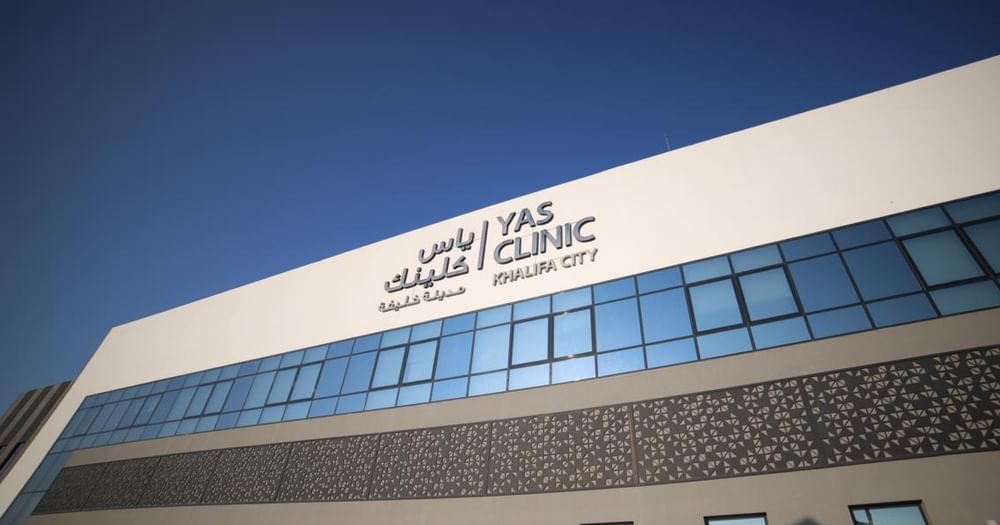
A 13-month-old child is alive today because two Abu Dhabi institutions decided to move fast. Yas Clinic, working alongside the Abu Dhabi Stem Cells Centre (ADSCC), performed an urgent bone marrow transplant on the infant, who had been diagnosed with a rare and severe inherited immune disorder. The donor was the child's own father. The procedure worked.
Cases like this one are rare in any healthcare system. In the Gulf, they carry extra weight. The ability to perform complex transplant medicine, especially in pediatric cases involving genetic conditions, has historically required families to travel abroad, often to Europe or North America, at significant cost and under enormous stress. The fact that this procedure happened in Abu Dhabi, between two local institutions, is the point.
How did it work?
The transplant drew on the father's bone marrow as the stem cell source, making it a haploidentical transplant, meaning the donor and recipient share only half of the required genetic markers. This type of transplant is technically more demanding than a fully matched procedure, because the recipient's immune system is more likely to reject partially matched cells. Managing that risk, especially in a child under 18 months, requires both clinical precision and strong interdisciplinary coordination.
That coordination between Yas Clinic's clinical team and ADSCC's stem cell expertise appears to have been central to the outcome. ADSCC has been building its capabilities in stem cell therapy and transplantation since its founding, and this case reflects the kind of applied, high-stakes work the centre was designed to support.
Why does it matter?
Bone marrow transplantation for inherited immune disorders is not a routine procedure anywhere in the world. In infants, the margin for error is narrow, and the window for intervention is often short. Immune disorders of this severity, if left untreated, leave children dangerously exposed to infections that would pose no threat to a healthy child.
So the clinical stakes here were real. But the broader significance is also real. The UAE has made substantial investments in advanced medicine over the past decade, and cases like this one are where those investments become visible. It is one thing to build hospitals. It is another to retain the clinical talent and institutional infrastructure to handle cases that, not long ago, would have been referred abroad.
The context
The UAE's health strategy, anchored in Abu Dhabi's and Dubai's respective healthcare visions and aligned with the national agenda around medical self-sufficiency, has consistently prioritised building capacity in specialist and high-complexity care. ADSCC sits within that broader push. The centre is one of the region's dedicated stem cell institutions, and its collaboration with private clinical partners like Yas Clinic reflects a model the UAE has been refining: public-private cooperation on cases that require multiple centres of excellence working together.
For GCC policymakers watching healthcare localisation closely, this case is a useful data point. Advanced transplant medicine, delivered locally, for a pediatric patient with a rare genetic condition. That's a meaningful capability to have built.
Latest @
Blueprint lands in the UAE as longevity moves from policy to product
M42 launches 10,000-patient wearable pilot in Abu Dhabi to reshape chronic disease care
Unilabs Middle East and Takalam link diagnostics to mental health in one app
Al Ghurair enters healthcare with Trellis Health launch in Dubai
💡Did you know?
You can take your DHArab experience to the next level with our Premium Membership.👉 Click here to learn more
🛠️Featured tool
 Easy-Peasy
An all-in-one AI tool offering the ability to build no-code AI Bots, create articles & social media posts, convert text into natural speech in 40+ languages, create and edit images, generate videos, and more.
👉 Click here to learn more
