

Ultrahuman’s M2 Live brings cheaper glucose tracking to more people
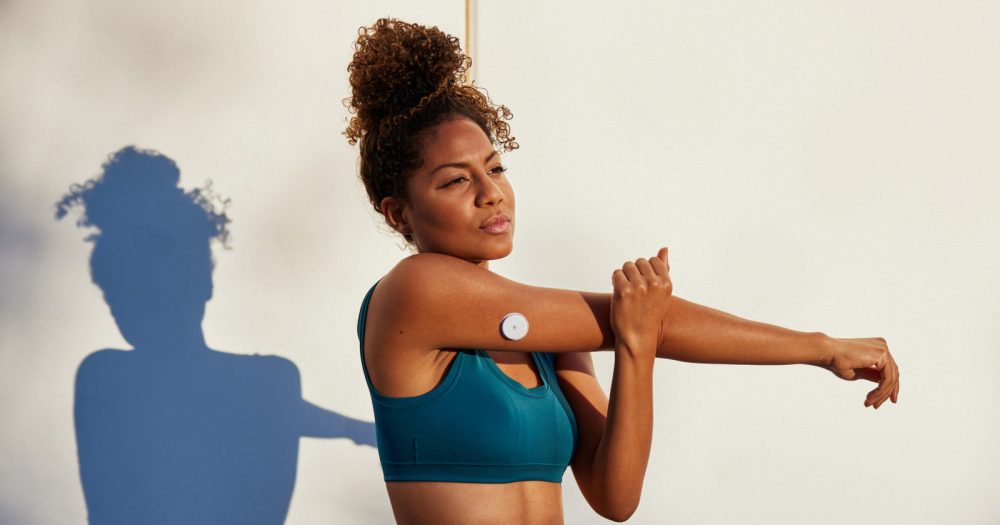
Ultrahuman has announced M2 Live, an updated continuous glucose monitoring platform for the US market. The big change from its predecessor is price and accessibility: no prescription needed, and the cost is lower than before.
The product works by pairing Abbott's Lingo sensor, which is available over the counter, with the Ultrahuman app. That app then combines the glucose data with whatever the company's smart ring is already tracking, running it all through an AI called Jade to produce a "metabolic score."
M2 Live is already available to order in the US. A single sensor, which lasts 14 days, costs $129. A monthly subscription runs $99 per month.
How does it work?
The previous version, M1 Live, used Abbott's Freestyle Libre sensor. That required a prescription in the US and came with a higher price tag. M2 Live switches to Abbott's Lingo monitor, which anyone can buy without seeing a doctor first.
The sensor sticks to your skin and reads your glucose levels continuously throughout the day. That data syncs with the Ultrahuman app, which already receives data from the company's smart ring covering things like:
- Sleep quality and duration
- Heart rate and heart rate variability
- Activity and exercise
- Recovery and stress signals
Jade, Ultrahuman's AI, pulls all of this together and generates a metabolic score. The idea is that glucose alone doesn't tell the full story. How much you slept, how hard you trained, and how stressed you were all affect how your body processes sugar. Combining those signals is supposed to give you a more complete picture.
Why does it matter?
Continuous glucose monitors used to be medical devices for people managing diabetes. That's changing fast. A growing number of people without diabetes are using CGMs to understand how their diet and lifestyle affect their energy levels, sleep, and performance.
The prescription barrier was a real obstacle. Requiring a doctor's visit to access a wellness product adds friction and cost, and it keeps the technology out of reach for anyone who doesn't have easy access to healthcare. Switching to an over-the-counter sensor removes that wall entirely.
The pricing is still significant for a consumer product, but it's more in line with what you'd expect from the premium fitness tracker market, where Ultrahuman already competes with companies like Oura and Whoop.
The context
Ultrahuman isn't alone in this space. Several companies are now combining wearable ring or watch data with glucose tracking, betting that metabolic health will become a mainstream consumer concern rather than a niche medical one.
Abbott's Lingo sensor was launched specifically for the wellness market, separate from its prescription CGM products. The fact that Ultrahuman is building its platform around it reflects a broader shift: medical hardware companies are now actively pursuing the health-conscious consumer, not just patients.
For Ultrahuman, M2 Live is also a way to add recurring revenue. The $99 monthly subscription sits on top of the hardware cost, which is a business model the wearables industry has been moving toward for years. Whether consumers accept that kind of ongoing cost for glucose data, on top of what they're already paying for a smart ring, will be the real test.
Latest @
Blueprint lands in the UAE as longevity moves from policy to product
M42 launches 10,000-patient wearable pilot in Abu Dhabi to reshape chronic disease care
Unilabs Middle East and Takalam link diagnostics to mental health in one app
Al Ghurair enters healthcare with Trellis Health launch in Dubai
💡Did you know?
You can take your DHArab experience to the next level with our Premium Membership.👉 Click here to learn more
🛠️Featured tool
 Easy-Peasy
An all-in-one AI tool offering the ability to build no-code AI Bots, create articles & social media posts, convert text into natural speech in 40+ languages, create and edit images, generate videos, and more.
👉 Click here to learn more
