

UAE study finds 100 genetic causes of inherited blindness in national population
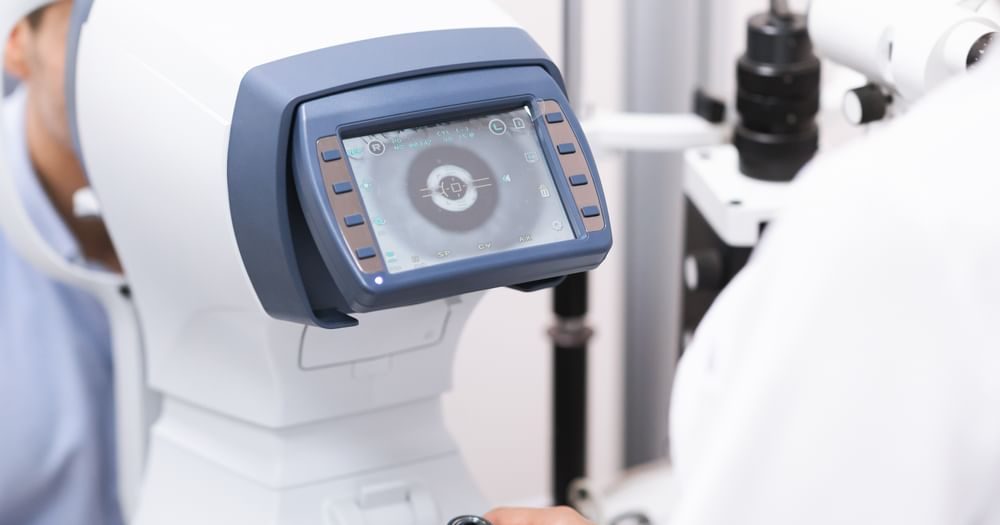
Abu Dhabi health officials have identified around 100 genetic causes of inherited vision loss in the Emirati population through a massive genomic study. The research analyzed data from more than 500,000 citizens participating in the UAE's national genome program.
The findings open new possibilities for detecting eye diseases before symptoms appear. Healthcare providers can now identify high-risk individuals earlier and design more targeted prevention strategies.
Highlights
- Study analyzed genomic data from 500,000+ Emirati citizens
- Identified approximately 100 genetic causes of inherited vision loss
- Research conducted by M42 and Department of Health - Abu Dhabi
- Data came from the Emirati Genome Programme, one of the world's largest national sequencing initiatives
- Findings enable identification of high-risk individuals before symptoms develop
- Study highlighted specific genes like ABCA4, linked to Stargardt disease and progressive central vision loss
Why does it matter?
This research represents a major shift from treating eye diseases after they cause symptoms to preventing them entirely. Early detection of genetic risk factors allows doctors to start monitoring patients sooner and potentially slow or prevent vision loss.
The study also demonstrates how large-scale population genomics can complement traditional medical research. Instead of studying small groups of patients, researchers can now analyze health patterns across entire populations to find rare but treatable conditions.
For patients, this means more personalized care. Genetic counseling and targeted monitoring can begin years before traditional diagnosis methods would detect problems.
The context
The UAE has been building one of the world's most comprehensive national genome databases. The Emirati Genome Programme has now sequenced more than 850,000 genomes, making it among the largest population-scale genomic studies globally.
This research connects genetic information with real health records through Malaffi, the UAE's health information exchange platform. The secure linking of genetic and clinical data allows researchers to translate scientific discoveries into practical medical applications.
Abu Dhabi is positioning itself as a leader in predictive healthcare - using data and advanced science to prevent diseases rather than just treat them. This eye disease study is part of a broader transformation toward preventive care models that could improve quality of life and reduce long-term healthcare costs.
"This study reflects Abu Dhabi's commitment to harnessing advanced science and health data to accelerate the shift towards a more preventive and proactive model of care," said Dr. Noura Al Ghaithi, Undersecretary of the Department of Health - Abu Dhabi.
Latest @
Blueprint lands in the UAE as longevity moves from policy to product
M42 launches 10,000-patient wearable pilot in Abu Dhabi to reshape chronic disease care
Unilabs Middle East and Takalam link diagnostics to mental health in one app
Al Ghurair enters healthcare with Trellis Health launch in Dubai
💡Did you know?
You can take your DHArab experience to the next level with our Premium Membership.👉 Click here to learn more
🛠️Featured tool
 Easy-Peasy
An all-in-one AI tool offering the ability to build no-code AI Bots, create articles & social media posts, convert text into natural speech in 40+ languages, create and edit images, generate videos, and more.
👉 Click here to learn more
