

Syria’s digital health portal hits 118,000 visits in its first two months
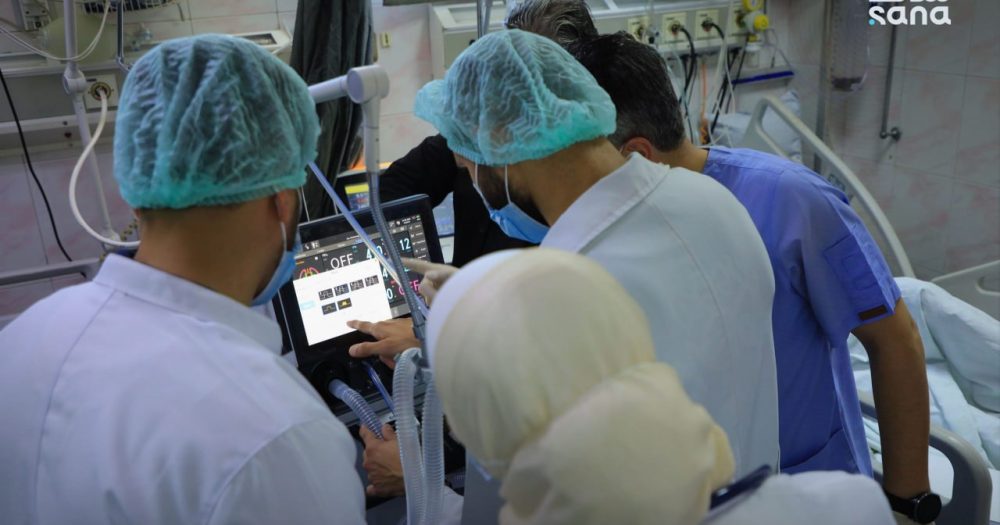
Syria's Ministry of Health has reported that its new Digital Health Portal recorded 118,830 visits and 2,107 booked appointments in just its first two months of operation, between April 2 and mid-June 2026. More than 114,300 patients have enrolled in the system since launch.
The platform currently runs across five hospitals and serves more than 800 patients a day through 33 specialized clinics. Those clinics cover a range of services, including pediatric, orthopedic, neurological and mental health care.
The ministry says it plans to bring more hospitals and health centers onto the system in the coming months, gradually widening access to digital services across the country.
How does it work?
The portal gives patients online access to a set of core health services. Through the platform, users can:
- Book appointments at participating hospitals
- View their medical history and previous appointments
- Access laboratory results electronically
The goal is to cut down on the administrative work that typically falls on both patients and hospital staff, reducing waiting times and paperwork through a centralized digital system.
The portal currently operates at five hospitals:
- Damascus Hospital
- Ibn al-Nafees Hospital, Damascus
- Ibn al-Walid Hospital, Homs
- Hama National Hospital
- Tartous Maternity Hospital
Why does it matter?
For a country still rebuilding its health infrastructure after more than a decade of conflict, getting basic medical services to work reliably is a serious challenge. A functioning digital booking and records system is not a small thing in this context. It means fewer wasted trips to hospitals, less duplicated paperwork, and a clearer picture of patient histories for doctors.
The early numbers suggest real uptake. Over 114,000 patient enrollments in two months points to genuine demand, not just a system sitting idle after a launch announcement. Hitting 800 daily patients across 33 clinics also suggests the infrastructure is holding up under actual use.
The context
Syria's health system took severe damage during the civil war, with hospitals destroyed, staff displaced, and supply chains disrupted. Rebuilding it digitally, rather than simply restoring the old paper-based model, is a deliberate choice that could pay off long-term.
Across the wider region, digital health adoption has been accelerating. Countries like Jordan, Saudi Arabia and the UAE have invested heavily in electronic health records and telemedicine over the past few years. Syria's portal, modest as it is for now, puts the country on a similar path.
The Ministry of Health has framed the portal as part of a broader digital transformation strategy. How quickly that strategy moves beyond the current five hospitals will be the real test of whether the early momentum holds.
Latest @
Blueprint lands in the UAE as longevity moves from policy to product
M42 launches 10,000-patient wearable pilot in Abu Dhabi to reshape chronic disease care
Unilabs Middle East and Takalam link diagnostics to mental health in one app
Al Ghurair enters healthcare with Trellis Health launch in Dubai
💡Did you know?
You can take your DHArab experience to the next level with our Premium Membership.👉 Click here to learn more
🛠️Featured tool
 Easy-Peasy
An all-in-one AI tool offering the ability to build no-code AI Bots, create articles & social media posts, convert text into natural speech in 40+ languages, create and edit images, generate videos, and more.
👉 Click here to learn more
