

Saudi Arabia’s first AI-assisted IVF baby born using sperm selection technology
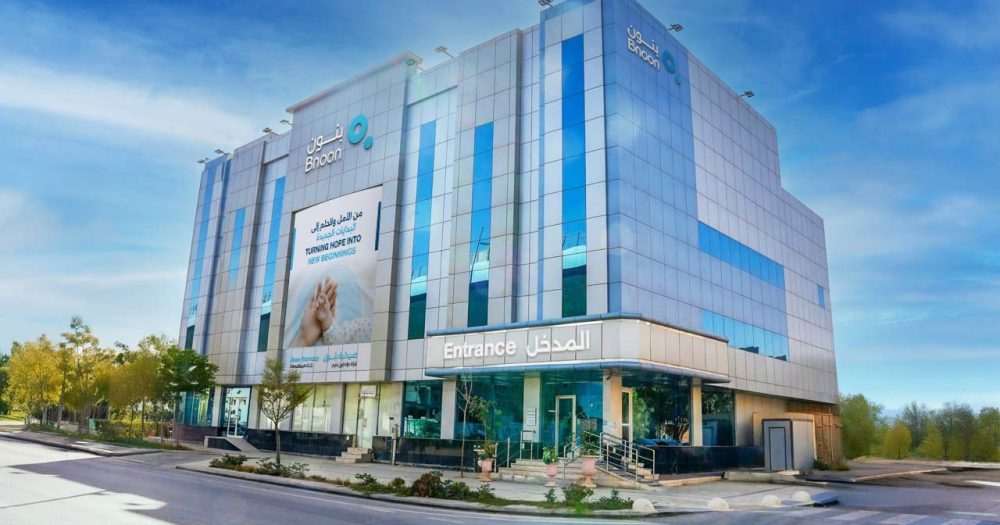
Saudi Arabia has recorded its first successful birth using artificial intelligence-powered sperm selection during IVF treatment. The milestone comes from Bnoon Network of Fertility & Women's Health Centers, marking a significant step forward for the Kingdom's reproductive technology sector.
The announcement gains extra significance as Saudi Arabia designates 2026 as the Year of Artificial Intelligence, highlighting the country's push to integrate AI across healthcare and other sectors. For fertility clinics worldwide, AI-assisted selection represents a growing trend to improve success rates and reduce treatment cycles.
How did it work?
The birth followed treatment at Bnoon's IVF laboratories using an AI system called Vitruvian MD. The technology analyzes sperm through algorithmic assessment, examining three key factors that affect pregnancy success:
- Sperm motility (movement patterns)
- Morphology (physical structure)
- DNA fragmentation (genetic integrity)
In this case, the father had been diagnosed with high DNA fragmentation, a condition that can significantly impact fertility outcomes. Traditional sperm selection relies mainly on visual assessment of movement and shape, but the AI system adds genetic integrity analysis without harming sperm viability.
The technology proves most valuable for severe male fertility issues, including very low sperm counts, poor movement, high DNA damage, or cases requiring surgical sperm retrieval. Clinical data from Bnoon over twelve months, involving more than 50 couples, showed improved fertilization rates compared to conventional selection methods.
Why does it matter?
This development addresses a critical need in fertility treatment: reducing failed IVF cycles. Each unsuccessful attempt costs patients time, money, and emotional strain. AI-assisted selection aims to improve the odds by choosing the healthiest sperm for fertilization.
"The integration of AI into fertility treatment helps reduce the number of repeated failed cycles, improving efficiency and potentially lowering both the time and cost associated with assisted reproductive procedures," said Majd Abu Zant, Chief Executive of Global Fertility and Chairman of Bnoon.
The technology also standardizes selection processes across different embryologists and clinics. Human assessment can vary between specialists, but AI provides consistent analytical criteria. Dr. Abdulaziz Alshahrani, Bnoon's Group Medical Director, emphasized that the system "enhances selection precision, particularly in complex cases."
The context
Saudi Arabia's fertility sector has grown rapidly as part of the Kingdom's Vision 2030 healthcare modernization goals. Bnoon now performs over 5,000 IVF cycles annually across centers in Riyadh, Jeddah, and Al Ahsa, with planned expansions to Abha and Madinah.
The network is building a new flagship facility in Riyadh spanning 3,800 square meters, expected to open in the first half of 2024. The center will combine AI, robotics, and genetic testing with broader women's health services.
Globally, fertility clinics increasingly adopt AI tools to improve success rates and reduce treatment burden on patients. The technology spans embryo selection, ovarian stimulation protocols, and now sperm analysis. As research expands and costs decrease, AI integration is becoming standard practice rather than experimental treatment.
The Saudi announcement comes as the Kingdom positions itself as a regional leader in healthcare innovation, with AI development central to its economic diversification strategy.
Latest @
Blueprint lands in the UAE as longevity moves from policy to product
M42 launches 10,000-patient wearable pilot in Abu Dhabi to reshape chronic disease care
Unilabs Middle East and Takalam link diagnostics to mental health in one app
Al Ghurair enters healthcare with Trellis Health launch in Dubai
💡Did you know?
You can take your DHArab experience to the next level with our Premium Membership.👉 Click here to learn more
🛠️Featured tool
 Easy-Peasy
An all-in-one AI tool offering the ability to build no-code AI Bots, create articles & social media posts, convert text into natural speech in 40+ languages, create and edit images, generate videos, and more.
👉 Click here to learn more
