

Saudi Arabia launches HealthThon 4 to fix hajj healthcare gaps
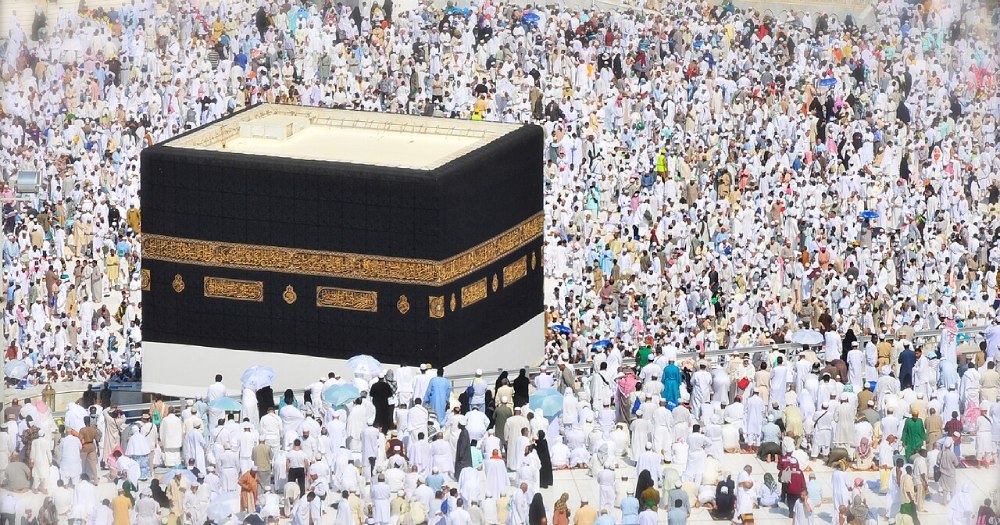
Saudi Arabia's Ministry of Health has launched HealthThon 4, a new initiative aimed at finding better healthcare solutions for the millions of pilgrims who travel to the country each year for hajj and umrah. The program brings together public and private sector partners to identify real problems and build practical products to solve them.
The initiative focuses on designing healthcare products and services that are both innovative and sustainable, with a clear goal: improve the experience for pilgrims and raise the overall quality of care they receive. The Ministry refers to pilgrims as 'Guests of Allah,' a term that reflects the cultural and religious weight the Saudi government places on their wellbeing.
HealthThon 4 sits within a larger push by the Ministry to modernize Saudi healthcare under Vision 2030, the country's long-term economic and social reform plan. The Health Sector Transformation Program, one of Vision 2030's core pillars, is pushing the kingdom to move away from oil dependency and build a stronger, more self-sufficient health system.
How does it work?
HealthThon is structured as a health innovation challenge. Teams from the public and private sectors are invited to identify healthcare problems faced by pilgrims and develop solutions around them. The focus areas typically include:
- Managing large crowds in medical settings during peak hajj season
- Remote monitoring and digital health tools for pilgrims
- Improving emergency response times in high-density areas
- Sustainable products that can scale across future seasons
The 'thon' format, modeled on hackathons, compresses the innovation process into a competitive setting where teams pitch and develop ideas under pressure. This approach has become popular in government-led health programs across the Gulf because it attracts entrepreneurial talent while keeping the Ministry in control of the problem agenda.
Why does it matter?
Hajj is one of the largest annual human gatherings on the planet. More than 1.8 million pilgrims attended in 2024, and managing their healthcare needs is genuinely complex. Pilgrims are often elderly, traveling from countries with different health baselines, and moving through extreme heat in densely packed spaces.
Getting healthcare right in this environment is a serious logistical challenge, and off-the-shelf solutions rarely fit. That's what makes a program like HealthThon relevant: it's asking innovators to build for a specific, demanding context rather than adapt generic tools.
For the Saudi health sector, it also has a secondary benefit. Every product built through the program has commercial potential beyond the hajj season, which fits Vision 2030's goal of growing a domestic health technology industry.
The context
This is the fourth edition of HealthThon, which tells you the Ministry sees value in repeating the format. Earlier editions have produced working prototypes and, in some cases, products that moved into pilot deployment, though the Ministry hasn't published detailed outcome data publicly.
Saudi Arabia has been accelerating health innovation investment across the board. The country is building new hospital infrastructure, expanding telemedicine, and pushing to train more Saudi health professionals as part of its nationalization targets. HealthThon fits into that broader picture as a relatively low-cost way to source ideas from outside the Ministry itself.
The timing also matters. With hajj and umrah visitor numbers expected to keep growing as Saudi Arabia opens up tourism, the pressure on pilgrim healthcare infrastructure will only increase. Finding scalable solutions now, before numbers climb further, is a practical priority.
Latest @
Blueprint lands in the UAE as longevity moves from policy to product
M42 launches 10,000-patient wearable pilot in Abu Dhabi to reshape chronic disease care
Unilabs Middle East and Takalam link diagnostics to mental health in one app
Al Ghurair enters healthcare with Trellis Health launch in Dubai
💡Did you know?
You can take your DHArab experience to the next level with our Premium Membership.👉 Click here to learn more
🛠️Featured tool
 Easy-Peasy
An all-in-one AI tool offering the ability to build no-code AI Bots, create articles & social media posts, convert text into natural speech in 40+ languages, create and edit images, generate videos, and more.
👉 Click here to learn more
