

Samsung turns Galaxy Watch into AI health coach with proactive wellness features
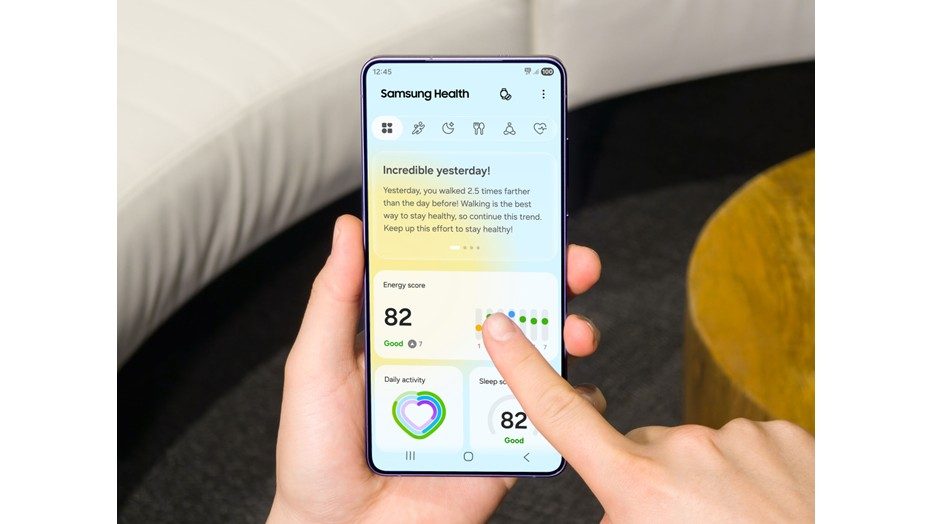
Samsung is turning its Galaxy Watch into something closer to a personal health coach. The company announced a major update to its Samsung Health app that moves beyond simple activity tracking to provide proactive, AI-powered health guidance.
The update rolls out June 8 and includes four new features that analyze your biometric data while you sleep and throughout the day. Instead of just showing you numbers, the app now tells you what those numbers mean and what you should do about them.
How does it work?
The new Samsung Health app centers around four main features that turn raw health data into actionable advice:
- Vitals: Monitors five overnight bio-signals (heart rate, heart rate variability, respiratory rate, skin temperature, and blood oxygen) and only sends alerts when meaningful changes occur. This helps users figure out if they're getting sick or need more rest without constant notifications.
- Heart Health Score: Combines sleep, stress, activity, and body composition data into a single daily score that shows which habits affect long-term heart health.
- Daily Cardio Load: Measures cardiovascular strain during exercise and recommends optimal training targets and rest periods to prevent burnout or injury.
- Fitness Index: Compares your heart rate, VO2 max, and daily steps against similar users to identify strengths and weaknesses, then suggests personalized goals.
The app also includes improved nutrition tracking through an enhanced Antioxidant Index and a new Hearing Health feature that monitors ambient noise levels to protect your ears.
Why does it matter?
This update represents a significant shift in how wearable devices approach health monitoring. Most fitness trackers and smartwatches collect tons of data but leave users to interpret what it all means.
Samsung's approach aims to solve what's often called the "data overwhelm" problem in consumer health tech. Instead of presenting users with charts and numbers, the AI analyzes patterns and provides specific recommendations. For example, rather than just showing your heart rate variability decreased, it might suggest you're fighting off an illness and should take it easy.
The focus on preventing alert fatigue is also important. Many health apps send so many notifications that users start ignoring them entirely. By only alerting when there are meaningful deviations from your personal baseline, Samsung hopes to make each notification actually useful.
The context
Samsung's move comes as the wearable health market becomes increasingly competitive. Apple has been adding advanced health features to its Apple Watch, including ECG monitoring and blood oxygen sensing. Google recently acquired Fitbit and is integrating its health expertise into Wear OS devices.
The emphasis on AI-powered insights reflects a broader trend in consumer health technology. Companies are moving beyond simple step counting and heart rate monitoring toward more sophisticated analysis that can detect early signs of illness or optimal training conditions.
Samsung is also betting on its wider ecosystem of connected devices. The new features work across Galaxy phones and other Samsung devices, creating a more comprehensive health monitoring system. This ecosystem approach mirrors strategies from Apple and Google, who are also trying to create seamless experiences across their device portfolios.
The update will first be available on Samsung's upcoming Galaxy Watch models, with wider availability depending on device compatibility and market rollout schedules.
Latest @
Blueprint lands in the UAE as longevity moves from policy to product
M42 launches 10,000-patient wearable pilot in Abu Dhabi to reshape chronic disease care
Unilabs Middle East and Takalam link diagnostics to mental health in one app
Al Ghurair enters healthcare with Trellis Health launch in Dubai
💡Did you know?
You can take your DHArab experience to the next level with our Premium Membership.👉 Click here to learn more
🛠️Featured tool
 Easy-Peasy
An all-in-one AI tool offering the ability to build no-code AI Bots, create articles & social media posts, convert text into natural speech in 40+ languages, create and edit images, generate videos, and more.
👉 Click here to learn more
