

Qatar performs first bladder nerve implant on 8-year-old child
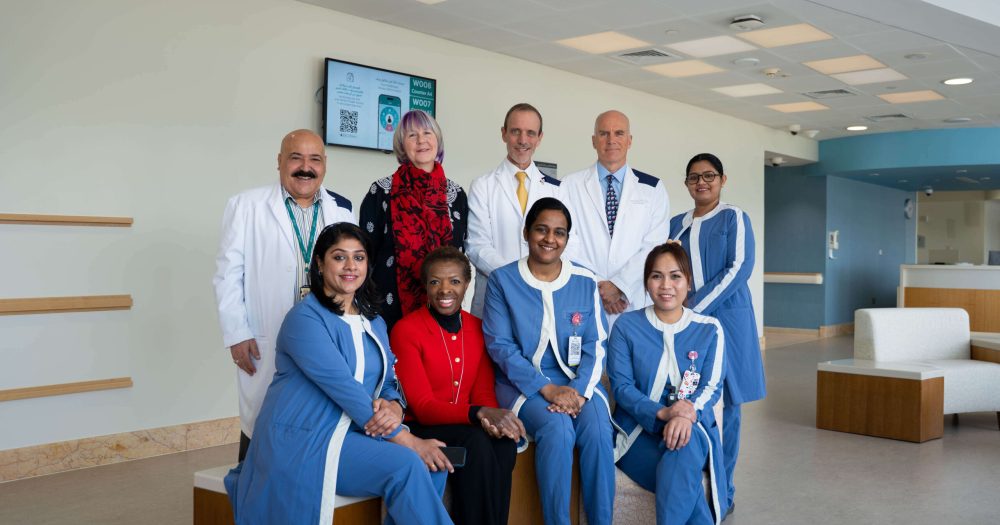
Sidra Medicine in Qatar has completed the country's first sacral neuromodulation procedure on a child - an 8-year-old with spina bifida who suffered from severe bladder dysfunction. The minimally invasive surgery offers a new treatment path for young patients when standard therapies fail.
The procedure was performed in collaboration with Dr. Tariq Al-Shaiji, a consultant urologist from Kuwait with extensive experience in the technique. It represents a significant addition to Qatar's pediatric urology capabilities and could change outcomes for children across the region.
How does it work?
Sacral neuromodulation involves implanting a small, battery-powered device called a neurostimulator. This device works like a pacemaker for the bladder, sending electrical pulses to the sacral nerves that control bladder and bowel function.
The procedure happens in two stages:
- A temporary trial period where the device stays outside the body for about two months to test effectiveness
- Permanent implantation under the skin if the trial shows improvement
A thin wire connects the neurostimulator to the sacral nerve. Doctors can program the device using an external remote control to optimize bladder function while minimizing disruption to daily life. The battery lasts up to 10 years.
In this case, the entire surgical procedure took less than two hours. The patient went home the day after surgery and showed consistent improvement in bladder control and capacity.
Why does it matter?
This procedure offers hope for children who have exhausted other treatment options. The 8-year-old patient had already undergone multiple procedures at other hospitals and was living with a permanent catheter due to recurring urinary tract infections and incontinence.
The benefits extend far beyond medical improvements:
- Children can return to normal activities like playing outdoors
- Reduced anxiety about bladder control in social situations
- Less dependence on medications and catheterizations
- Protection of kidney function long-term
- Avoidance of more invasive reconstructive surgeries
Dr. Santiago Vallasciani, Division Chief of Urology at Sidra Medicine, emphasized that the procedure allows the medical team to expand care options for complex pediatric cases while choosing the least invasive approach possible.
The context
Children with spina bifida often develop neurogenic bladder, a condition where nerve damage affects normal bladder function. This can lead to incontinence, recurring infections, and potential kidney damage if left untreated.
While sacral neuromodulation has been performed on adults in Qatar before, no pediatric specialists in the country had experience with the procedure in children. This led to the collaboration with Dr. Al-Shaiji, who brought his expertise from Kuwait.
The patient's case was handled by Sidra Medicine's multidisciplinary spina bifida clinic, which includes specialists from urology, nephrology, rehabilitation, and neurosurgery. The team had already tried other approaches, including spinal detethering surgery and Botox injections, before deciding on neuromodulation.
The procedure is now available for children over age seven who don't respond to first-line treatments. Patients must avoid heavy lifting and vigorous activities that could damage the implant, and they receive regular follow-up care to monitor progress.
Latest @
Blueprint lands in the UAE as longevity moves from policy to product
M42 launches 10,000-patient wearable pilot in Abu Dhabi to reshape chronic disease care
Unilabs Middle East and Takalam link diagnostics to mental health in one app
Al Ghurair enters healthcare with Trellis Health launch in Dubai
💡Did you know?
You can take your DHArab experience to the next level with our Premium Membership.👉 Click here to learn more
🛠️Featured tool
 Easy-Peasy
An all-in-one AI tool offering the ability to build no-code AI Bots, create articles & social media posts, convert text into natural speech in 40+ languages, create and edit images, generate videos, and more.
👉 Click here to learn more
