

Qatar launches first CRISPR gene therapy for blood disorders
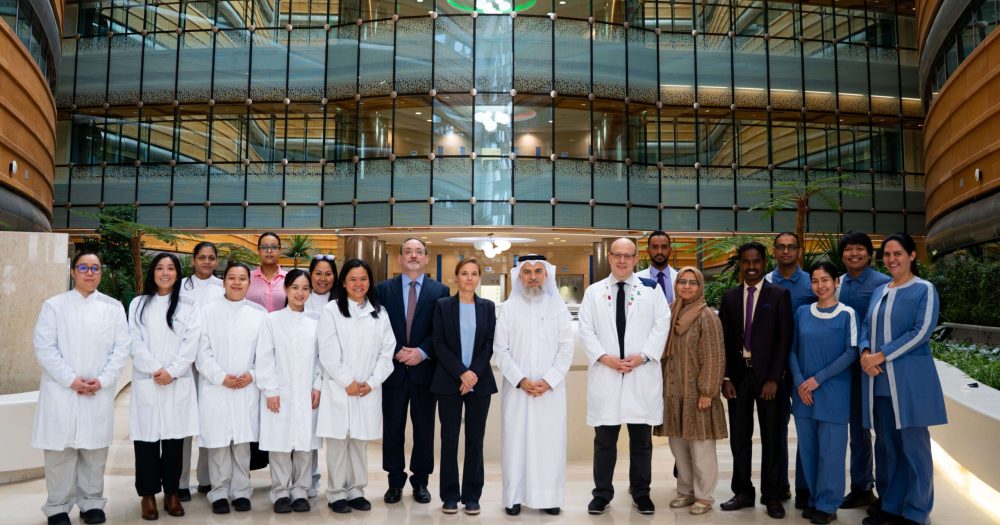
Qatar has entered the era of gene editing medicine. Sidra Medicine, part of Qatar Foundation, has become the first hospital in the country to offer Casgevy - a CRISPR-based gene therapy that could functionally cure two devastating blood disorders.
The treatment targets severe sickle cell disease and transfusion-dependent beta thalassemia. It's now available for patients aged 12 and older, marking a significant shift from managing these conditions to potentially curing them at their genetic source.
How does it work?
Casgevy uses CRISPR/Cas9 technology - the Nobel Prize-winning gene editing tool - to fix the genetic defects that cause these blood disorders. The process is complex but straightforward in concept:
- Doctors collect the patient's stem cells through a procedure called apheresis
- The cells are sent to specialized labs where CRISPR technology edits out the genetic problems
- The patient receives chemotherapy to prepare their body for the new cells
- The edited cells are infused back into the patient's bloodstream
- These cells grow in the bone marrow and start producing healthy red blood cells
"This therapy offers not only hope but the potential for a functional cure, by addressing these diseases at their genetic origin," said Dr. Chiara Cugno, Acting Chief of Pediatric Hematology at Sidra Medicine.
The hospital has already started treating its first patient and follows about 150 to 200 children in Qatar with these conditions.
Why does it matter?
For patients with severe forms of these diseases, current treatments often fall short. People with severe sickle cell disease face frequent pain crises and stroke risk. Those with transfusion-dependent thalassemia need regular blood transfusions throughout their lives.
Casgevy offers something different - a one-time treatment that targets the root cause rather than just managing symptoms. Early results from global trials show patients achieving independence from blood transfusions and major improvements in quality of life.
"Casgevy is reserved for patients with the most severe form of SCD or TDT - those still experiencing frequent pain crises, stroke risk, or the cumulative burden of lifelong transfusions despite the best medical care," the hospital explained.
The context
This launch positions Qatar among a select group of countries offering advanced gene therapies. The treatment has approval from major regulators including the U.S. FDA, European Medicines Agency, and Qatar's Ministry of Public Health.
The move fits Qatar's broader push into precision medicine - treatments tailored to individual genetic profiles. Prof. Khalid Fakhro, Chief Research Officer at Sidra Medicine, called it part of the country's "precision health vision" where treatment is guided by each patient's unique genetic makeup.
Vertex Pharmaceuticals, which developed Casgevy, has qualified only a limited number of hospitals worldwide to administer the therapy. The selection reflects the complex infrastructure needed - from specialized cell processing facilities to teams trained in gene therapy protocols.
For the broader Middle East and North Africa region, Qatar's approval creates a new treatment hub. Eligible children from neighboring countries can now access this therapy closer to home, rather than traveling to Europe or North America.
Latest @
Blueprint lands in the UAE as longevity moves from policy to product
M42 launches 10,000-patient wearable pilot in Abu Dhabi to reshape chronic disease care
Unilabs Middle East and Takalam link diagnostics to mental health in one app
Al Ghurair enters healthcare with Trellis Health launch in Dubai
💡Did you know?
You can take your DHArab experience to the next level with our Premium Membership.👉 Click here to learn more
🛠️Featured tool
 Easy-Peasy
An all-in-one AI tool offering the ability to build no-code AI Bots, create articles & social media posts, convert text into natural speech in 40+ languages, create and edit images, generate videos, and more.
👉 Click here to learn more
