

Oman launches ‘Rased’ digital platform to predict disease outbreaks
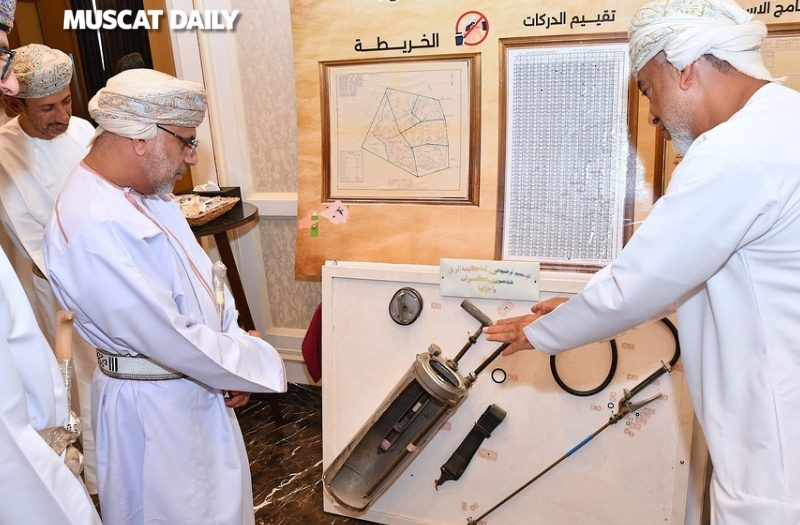
Oman's Ministry of Health has launched a digital surveillance platform called 'Rased' that aims to predict disease outbreaks before they happen. The system connects field health workers directly with decision-makers through real-time data analysis.
The launch took place Thursday in Muscat under the supervision of Dr Said bin Harib al Lamki, Undersecretary for Health Affairs. The platform is part of a broader National Strategy for Vector Surveillance that moves Oman away from traditional reactive health measures toward a proactive, science-based approach.
How does it work?
The Rased platform operates as a smart national system that streamlines how health data gets collected and analyzed. Field personnel can input data directly into the system, which then processes epidemiological and environmental indicators in real-time.
The platform converts this data into immediate operational decisions that health officials can use to prevent disease outbreaks. Dr Zakariya Yahya Al Balushi, Director General of the Center for Disease Control and Prevention, described digital transformation as "the foundation for a health system capable of predicting risks before they occur."
Why does it matter?
This shift from reactive to predictive healthcare represents a major change in how countries can handle public health threats. Instead of waiting for diseases to spread and then responding, health systems can now identify potential outbreaks early and take preventive action.
The timing is particularly relevant as countries worldwide reassess their pandemic preparedness following COVID-19. Early detection and rapid response systems have become priorities for health systems globally, making Oman's approach part of a broader international trend toward predictive health surveillance.
The context
The Rased platform aligns with Oman Vision 2040, the country's long-term development strategy that emphasizes modernizing public services through technology. The initiative shows how Middle Eastern countries are investing in digital health infrastructure to improve their health security systems.
Vector surveillance - monitoring disease-carrying organisms like mosquitoes and ticks - has become increasingly important as climate change affects disease patterns. Digital platforms like Rased allow countries to track these changes more effectively and respond faster to emerging health threats.
Latest @
Blueprint lands in the UAE as longevity moves from policy to product
M42 launches 10,000-patient wearable pilot in Abu Dhabi to reshape chronic disease care
Unilabs Middle East and Takalam link diagnostics to mental health in one app
Al Ghurair enters healthcare with Trellis Health launch in Dubai
💡Did you know?
You can take your DHArab experience to the next level with our Premium Membership.👉 Click here to learn more
🛠️Featured tool
 Easy-Peasy
An all-in-one AI tool offering the ability to build no-code AI Bots, create articles & social media posts, convert text into natural speech in 40+ languages, create and edit images, generate videos, and more.
👉 Click here to learn more
