

MedSahra launches B2B platform to connect GCC’s fragmented healthcare market
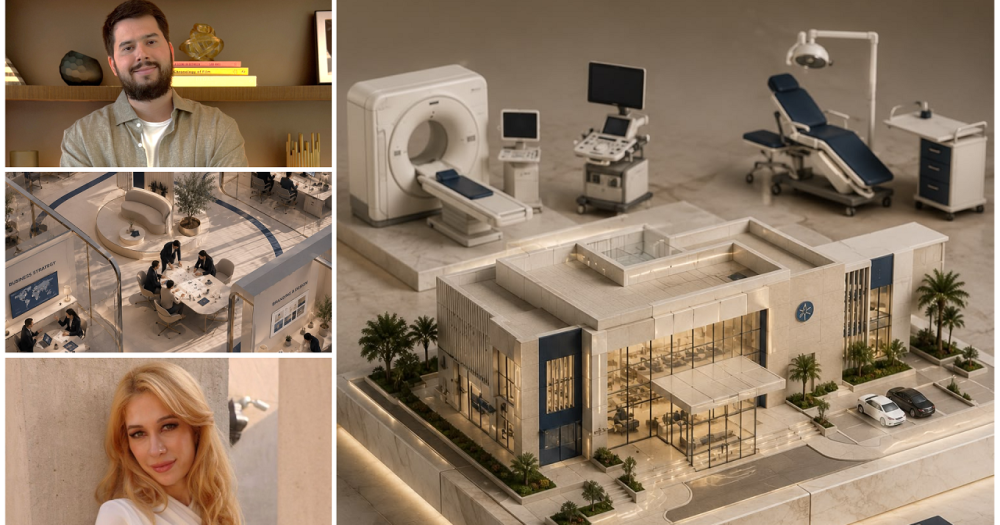
Buying medical equipment in the Gulf isn't simple. Neither is finding a reliable logistics partner, identifying an acquisition target, or connecting with the right investor. Across the GCC, these processes tend to happen through disconnected channels, personal networks, and a lot of back-and-forth. A new platform called MedSahra is trying to fix that.
The company has launched a B2B digital marketplace specifically built for the GCC healthcare sector. It brings together medical equipment suppliers, clinics, service providers, logistics companies, and investors in one place, letting them search, connect, and transact directly. The goal is to cut down the time and friction involved in doing business across a market that has, until now, lacked a central hub.
The timing is notable. The GCC healthcare market is currently valued at around $33 billion and is projected to reach roughly $60 billion by 2030. That kind of growth creates real demand for better commercial infrastructure, and MedSahra is positioning itself to build it.
How does it work?
MedSahra is a marketplace, but not just for products. It covers a wider range of commercial activity than a typical equipment exchange. On the platform, users can:
- Buy and sell new and pre-owned medical equipment
- Find and connect with business and technical partners
- Access specialized professional services
- Explore investment and acquisition opportunities
- Coordinate logistics across the region
The platform uses intelligent matching to help users find relevant connections faster, rather than relying on manual searches or cold outreach. Listings are moderated, and users can go through an optional verification process, which MedSahra says adds a layer of trust to transactions. Once matched, parties can communicate and negotiate directly within the platform.
Co-founder Boris Shleyfer described the problem plainly: "Many businesses still depend on fragmented channels to find and sell medical equipment, provide business services, partners and investment opportunities. MedSahra was built to give professional market participants a more structured way to transact with confidence."
Why does it matter?
The fragmentation problem in GCC healthcare commerce is real, and it costs businesses time and money. Right now, a clinic looking to sell used equipment, source a new supplier, and find a technology partner might need to use three different channels, rely on personal introductions, or attend trade events just to make the right connections. That's inefficient at any scale, and it becomes a bigger problem as the market grows.
Co-founder Iuliia Belokrinitskaia put it this way: "Healthcare is no longer driven by providers alone. It depends on a connected business ecosystem, where every decision relies on trusted partners, market visibility and efficient collaboration. Today, those connections remain fragmented across the GCC."
What MedSahra is building isn't just a directory. The combination of verified listings, direct communication, and transaction support means it's trying to replace a process, not just a search engine. If it works, it could meaningfully reduce the time and cost involved in commercial healthcare decisions across the region.
The context
The GCC has been investing heavily in healthcare infrastructure for years, driven by growing populations, government diversification goals, and increased demand for specialized care. Saudi Arabia's Vision 2030, for example, includes significant commitments to expanding the private healthcare sector and attracting foreign investment. Similar initiatives exist across the UAE, Qatar, and Kuwait.
Despite that investment, the commercial layer of healthcare, meaning the supply chains, service networks, and business partnerships that support clinical operations, has lagged behind. Most marketplaces serving the region are either too broad (general B2B platforms not built for healthcare) or too narrow (single-category equipment sites).
MedSahra is one of the first platforms to target the full ecosystem rather than one piece of it. Whether it can build the trust and critical mass needed to become the default marketplace for GCC healthcare commerce is still an open question, but the market gap it's addressing is clear, and the timing, given projected growth through 2030, is hard to argue with.
Latest @
Blueprint lands in the UAE as longevity moves from policy to product
M42 launches 10,000-patient wearable pilot in Abu Dhabi to reshape chronic disease care
Unilabs Middle East and Takalam link diagnostics to mental health in one app
Al Ghurair enters healthcare with Trellis Health launch in Dubai
💡Did you know?
You can take your DHArab experience to the next level with our Premium Membership.👉 Click here to learn more
🛠️Featured tool
 Easy-Peasy
An all-in-one AI tool offering the ability to build no-code AI Bots, create articles & social media posts, convert text into natural speech in 40+ languages, create and edit images, generate videos, and more.
👉 Click here to learn more
