

Egypt pushes to expand telemedicine and digitize its healthcare system
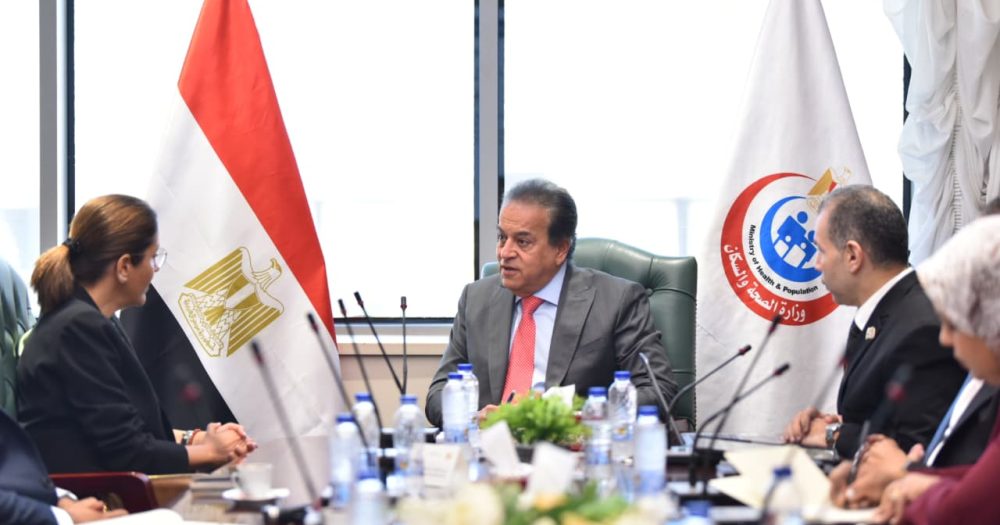
Egypt is making a concerted push to grow its telemedicine services and speed up the digital overhaul of its healthcare system. Health Minister Khaled Abdel Ghaffar recently met with representatives from the Specialized Medical Councils, pharmaceutical giant Novartis, and healthcare technology company TeleMed to map out next steps.
The meeting centered on expanding remote healthcare access across the country, with a focus on connecting more patients to medical professionals without requiring them to travel to clinics or hospitals. For a country of over 100 million people, many of whom live far from major urban centers, that kind of access can make a real difference.
Egypt has been working to modernize its health infrastructure for several years now, and telemedicine has become a key part of that strategy. This latest meeting suggests the government is looking to move faster, and is bringing in private sector partners to help do it.
How does it work?
Telemedicine lets patients consult with doctors remotely, typically through video calls, messaging platforms, or dedicated apps. In Egypt's case, the government appears to be working with both technology providers and medical institutions to build out the infrastructure needed to make this work at scale.
TeleMed's involvement points to a platform-based approach, where patients can access care through a digital interface rather than visiting a physical facility. Novartis, as a pharmaceutical company, likely brings expertise around medication management and patient monitoring, both of which are critical components of any remote care model.
Why does it matter?
Telemedicine isn't new, but making it work at a national level in a country like Egypt is genuinely hard. The challenges are real:
- Large rural populations with limited access to specialists
- Pressure on urban hospitals and clinics that are already stretched thin
- A need for affordable care options as costs rise
- Varying levels of digital literacy among patients
If Egypt can get this right, it could significantly improve health outcomes for millions of people who currently have limited access to quality care. It also positions the country as a leader in digital health across the broader region.
The context
Egypt launched its Universal Health Insurance system in recent years as part of a wider effort to improve healthcare access. Digital tools, including telemedicine, are seen as essential to making that system work efficiently at scale.
Globally, telemedicine saw a massive surge during the COVID-19 pandemic and has remained a priority for governments and health systems ever since. Countries across Africa and the Middle East are increasingly investing in digital health infrastructure, and Egypt's latest moves fit squarely into that trend. The involvement of a multinational like Novartis also signals growing private sector interest in the Egyptian health market.
Latest @
Blueprint lands in the UAE as longevity moves from policy to product
M42 launches 10,000-patient wearable pilot in Abu Dhabi to reshape chronic disease care
Unilabs Middle East and Takalam link diagnostics to mental health in one app
Al Ghurair enters healthcare with Trellis Health launch in Dubai
💡Did you know?
You can take your DHArab experience to the next level with our Premium Membership.👉 Click here to learn more
🛠️Featured tool
 Easy-Peasy
An all-in-one AI tool offering the ability to build no-code AI Bots, create articles & social media posts, convert text into natural speech in 40+ languages, create and edit images, generate videos, and more.
👉 Click here to learn more
