

Cleveland Clinic Abu Dhabi lets doctors watch the gut react to food
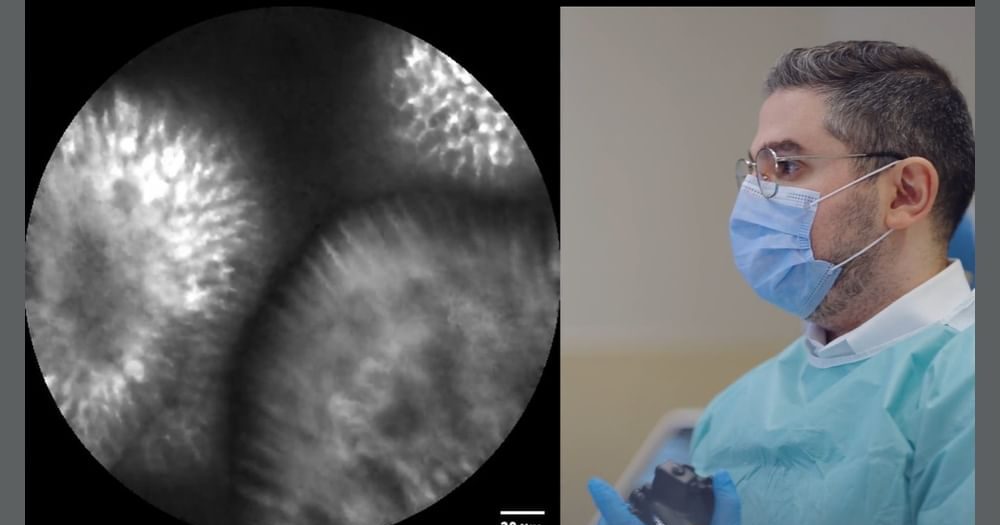
Most people who suspect a food intolerance end up guessing. They cut out dairy, then gluten, then something else, and hope the symptoms ease. Cleveland Clinic Abu Dhabi is now offering a way to stop guessing, and to watch the problem happen on a screen.
The hospital has become the first in the Middle East and North Africa to offer a food intolerance test that uses endomicroscopy. The technique lets doctors see how cells in the small intestine respond to specific foods in real time. The service has been approved by the Department of Health, Abu Dhabi, which matters in a market where new clinical procedures face close regulatory scrutiny.
How does it work?
The test builds on a standard endoscopy. A specialist passes a flexible scope into the upper digestive tract, and a tiny microscope probe is used to magnify the lining of the small intestine to the cellular level. The patient is then exposed to suspected trigger foods, and the doctor watches the tissue for signs of reaction, such as gaps opening between cells or fluid leaking into the gut wall.
That is a different approach from the blood tests and elimination diets most clinics rely on. Those methods measure indirect signals or depend on a patient's own memory of symptoms. Endomicroscopy observes the tissue itself. The result is a visible, patient-specific answer rather than a statistical hint.
Why does it matter?
Digestive complaints are common across the Gulf, and so is frustration with diagnosis. Patients often move between clinics for months, trying one diet after another. A test that links a named food to a visible cellular response could shorten that journey and spare people from needlessly restrictive eating.
There is a caution, though. The procedure is invasive compared with a blood draw, and it requires specialist equipment and training. It will suit patients with persistent, unexplained symptoms rather than anyone with mild bloating after a heavy meal. Clinicians will need to be clear about who should be referred.
The context
The launch fits a wider pattern in the UAE. Abu Dhabi has spent years positioning itself as a centre for advanced, personalised medicine, with genomics programmes, AI-assisted diagnostics and international hospital partnerships all part of that effort. Saudi Arabia's Vision 2030 health goals point in the same direction: bring complex, specialised care closer to home and reduce the number of patients travelling abroad for it.
Offering a regional first also strengthens the case for medical tourism. Patients from neighbouring GCC states and beyond may now find a diagnostic option in Abu Dhabi that previously meant a trip to Europe or North America.
The real test will be evidence. Hospitals, insurers and regulators will want outcome data showing that patients who follow the results actually feel better. If that data arrives, endomicroscopy could become a standard tool for stubborn digestive cases. If not, it remains an impressive image. For now, Abu Dhabi has the technology, and the region will be watching what it shows.
Latest @
Qatar builds the Middle East's first atlas of DNA variants that control gene activity
Cleveland Clinic Abu Dhabi lets doctors watch the gut react to food
Reem Hospital and Yas Clinic Khalifa City join forces in Abu Dhabi
The UAE is about to run its first gene-editing trial for a cholesterol disorder
Schneider Electric and PureHealth bet that greener hospitals will also run better
💡Did you know?
You can take your DHArab experience to the next level with our Premium Membership.👉 Click here to learn more
🛠️Featured tool
 Easy-Peasy
An all-in-one AI tool offering the ability to build no-code AI Bots, create articles & social media posts, convert text into natural speech in 40+ languages, create and edit images, generate videos, and more.
👉 Click here to learn more
