

Abu Dhabi writes the rulebook for AI clinicians before anyone else does
Most regulators are still arguing about whether AI should be allowed near a patient. Abu Dhabi has moved on to a harder question: what happens when an AI system does the work of a clinician, and who answers for it?
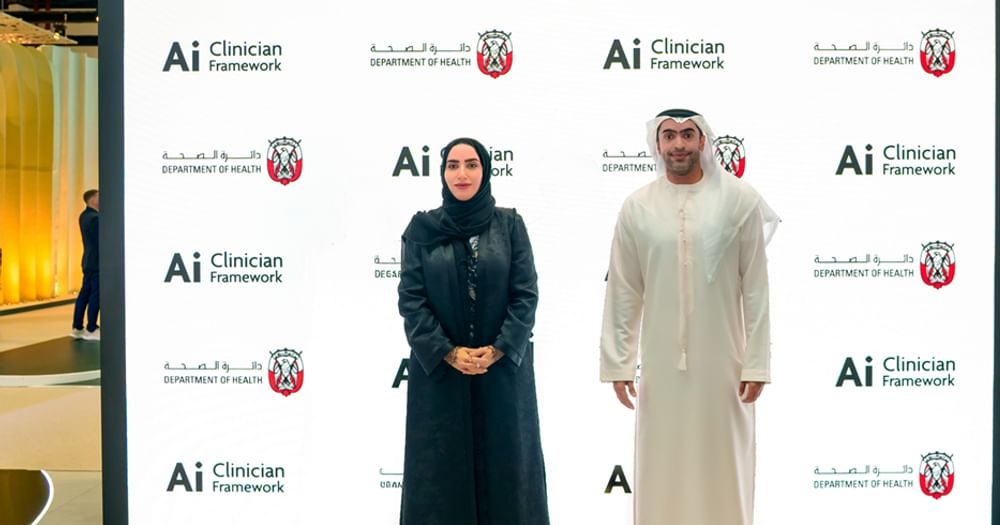
The Department of Health – Abu Dhabi (DoH), the emirate's healthcare regulator, has published an AI Clinician Framework. DoH describes it as the first of its kind anywhere. It sets out how AI clinician systems could eventually be authorised to carry out clinical activities that would otherwise require a licensed human professional. The word "eventually" matters. The framework is a pathway, not a blanket permission.
How does it work?
The framework treats an AI clinician less like a software product and more like a practitioner seeking a licence. A system would have to show it is safe and effective for a defined clinical task before it is allowed to perform that task. Authorisation would be tied to a specific scope, so approval for one activity would not cover another.
The source text is cut off at this point, so the finer details of the approval process are not confirmed here. Healthcare operators should read the full DoH document for the exact criteria, oversight duties and reporting obligations. What is clear is the direction: a regulated route into clinical practice, with accountability attached.
Why does it matter?
Because the alternative is worse. Without a clear framework, AI tools drift into clinical use through gaps in the rules, and liability stays vague. Providers hesitate, or they move ahead without guardrails. Neither helps patients.
There is also a workforce argument. Gulf health systems face rising chronic disease, ageing populations and a heavy reliance on recruiting clinicians from abroad. AI systems that can safely take on defined clinical tasks could ease some of that pressure. But safely is the operative word, and a licensing-style model gives hospitals, insurers and patients something firm to rely on.
For business leaders, the signal is practical. Developers now have a regulatory target in Abu Dhabi. Investors can price risk more clearly. And providers can plan pilots knowing what the regulator is likely to ask for.
The context
This fits a pattern. Abu Dhabi has spent years building its reputation as a health innovation hub, with digital records, genomics programmes and a stated ambition to lead in AI. The UAE's national AI strategy and the wider GCC push toward digital health, including Saudi Arabia's Vision 2030 health transformation goals, point the same way. Governments in the region want the benefits of AI and are willing to write rules early to get them.
That is a contrast with much of the world, where regulation tends to follow the technology by several years. Abu Dhabi is betting that clarity attracts investment rather than scaring it off.
Still, a framework is only as good as its enforcement. The real test will come when the first AI clinician applies for authorisation, and when regulators decide what evidence is enough. Other GCC health authorities will be watching closely, and some will likely borrow from the result.
Latest @
Neuratia Labs picks CliniDataCue to solve the data problem facing its first research fellows
Robotics comes to the IVF lab as Abu Dhabi's fertility sector eyes automation
American Hospital Dubai to help build an AI billing platform, not just buy one
Mubadala and Khalifa University bet on lab-stage science with new life sciences programme
Abu Dhabi's biobank teams up with AstraZeneca to predict disease before it starts
💡Did you know?
You can take your DHArab experience to the next level with our Premium Membership.👉 Click here to learn more
🛠️Featured tool
 Easy-Peasy
An all-in-one AI tool offering the ability to build no-code AI Bots, create articles & social media posts, convert text into natural speech in 40+ languages, create and edit images, generate videos, and more.
👉 Click here to learn more
