

Abu Dhabi wants to be where the world’s drug trials happen
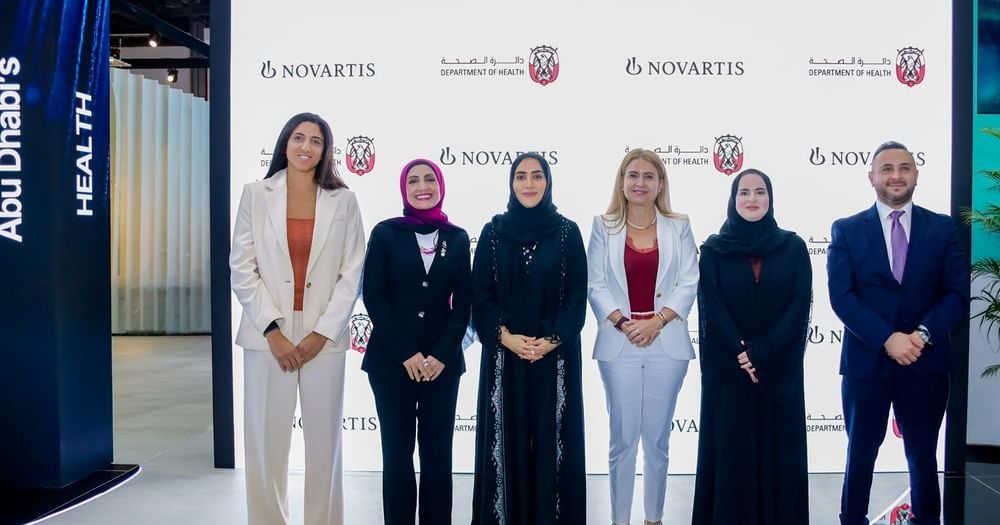
Most patients in the Gulf have never been offered a place in a global drug trial. That is the gap Abu Dhabi is now trying to close. The Department of Health – Abu Dhabi (DoH), the emirate's healthcare regulator, has joined Novartis to start the Abu Dhabi Clinical Trials Hub, and the first studies will be Phase 3 programmes, the final and most demanding stage before a medicine reaches the market.
The initial programmes cover four areas: neuroscience, cardiovascular disease, oncology and immunology. These are not niche choices. Heart disease, cancer and neurological conditions weigh heavily on health systems across the GCC, and immunology is a growing concern as autoimmune and inflammatory conditions are diagnosed more often.
How does it work?
The hub links Novartis's global Phase 3 research with Abu Dhabi's hospitals, clinicians and regulatory system. Instead of treating the emirate as a late stop for approved drugs, the model brings patients into studies while those studies are still running. The same protocols apply as anywhere else in the world, which is what makes the data usable for international approval.
The DoH acts as both regulator and convener. That matters. Trial delays often come from slow approvals, fragmented ethics review and difficulty recruiting patients. A single authority that sets the rules and backs the programme can shorten each of those steps. Whether it does so in practice is the thing to watch.
Why does it matter?
For patients, the benefit is direct. Participants may gain early access to therapies years before they are widely available, along with close monitoring by specialist teams. For clinicians, running global trials builds skills and credibility that stay in the system long after a study closes.
There is an economic argument too. Clinical research brings investment, skilled jobs and links with international pharmaceutical companies. And there is a scientific one. Gulf populations are underrepresented in trial data, so treatments are often tested on people whose genetics, diets and disease patterns differ from those of the region. Local participation helps fix that.
The context
The hub fits neatly into Abu Dhabi's long-running effort to build a life sciences sector, and into the wider UAE strategy of moving from importing healthcare to producing knowledge. Saudi Arabia's Vision 2030 sets similar goals, with research capacity and local health industries high on the agenda. Across the GCC, governments are competing, and cooperating, to become credible research destinations.
But credibility has to be earned. Trial sponsors look for fast enrolment, clean data and reliable regulators. Abu Dhabi has the funding and the infrastructure. It now needs volume, and a steady record of delivery.
If the Novartis programmes meet those tests, other companies are likely to follow. That would turn a single partnership into a real regional research base, and give Gulf patients a place in the evidence that shapes their own treatment.
Latest @
Qatar builds the Middle East's first atlas of DNA variants that control gene activity
Cleveland Clinic Abu Dhabi lets doctors watch the gut react to food
Reem Hospital and Yas Clinic Khalifa City join forces in Abu Dhabi
The UAE is about to run its first gene-editing trial for a cholesterol disorder
Schneider Electric and PureHealth bet that greener hospitals will also run better
💡Did you know?
You can take your DHArab experience to the next level with our Premium Membership.👉 Click here to learn more
🛠️Featured tool
 Easy-Peasy
An all-in-one AI tool offering the ability to build no-code AI Bots, create articles & social media posts, convert text into natural speech in 40+ languages, create and edit images, generate videos, and more.
👉 Click here to learn more
