

Abu Dhabi doctors perform the world’s fifth reported transplant for NIK deficiency
Only four people in the world had reported undergoing this procedure before. Now there are five. A 10-year-old child in Abu Dhabi has received a bone marrow transplant for NIK deficiency, one of the rarest inherited immune disorders known to medicine.
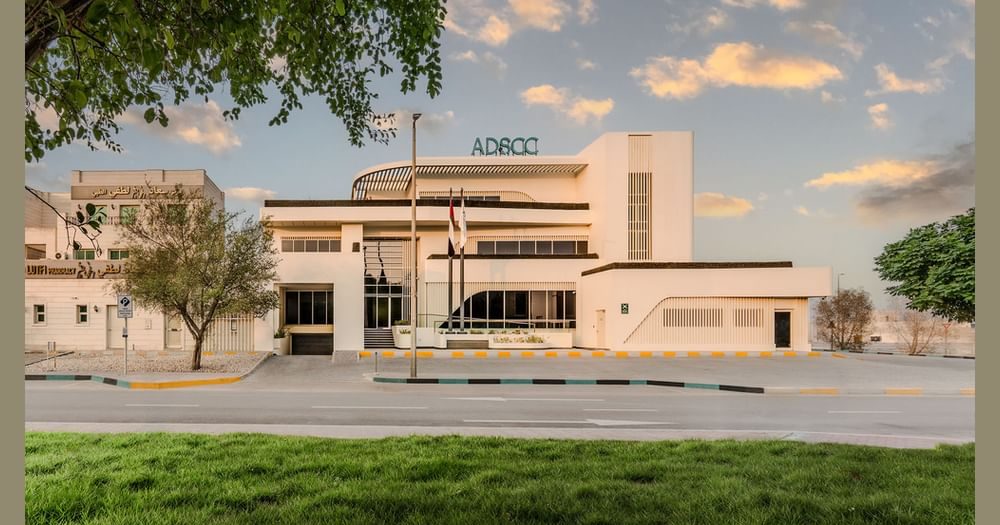
The operation was carried out by the Abu Dhabi Bone Marrow Transplant Programme (AD-BMT®) team at Yas Clinic Khalifa City, working with Abu Dhabi Stem Cells Centre (ADSCC). The source report was truncated, so full clinical details on the patient's recovery are limited. But the milestone itself is clear, and it is significant.
How did it work?
NIK deficiency is a primary immunodeficiency. The gene that produces NIK, a protein central to immune signalling, does not work properly, so the body struggles to build effective defences. Children with the condition are prone to severe and recurrent infections.
A bone marrow transplant replaces the faulty blood-forming system with healthy donor cells. Those cells settle in the marrow and begin producing a working immune system. It is a demanding procedure even in common conditions. In a disease with only a handful of reported transplants, there is almost no published playbook. The team had to plan conditioning, donor selection and post-transplant care with very little precedent to lean on.
That is why the collaboration matters. Transplant physicians, laboratory specialists and stem cell scientists all had to work as one unit.
Why does it matter?
For the family, the answer is obvious. A child with a severe immune defect now has a realistic chance of a healthier life.
For the wider health sector, the case shows that complex, low-volume care can be delivered locally. Families in the region with children born with rare immune disorders have often faced a hard choice: travel abroad for treatment or go without. Every successful case at home reduces that burden, and it builds the expertise that makes the next case safer.
It also signals something to clinicians. Rare disease programmes are only credible when they treat the cases nobody else has treated often. Five reported transplants worldwide is a thin evidence base, and each new report adds real data for specialists everywhere.
The context
The GCC has a particular stake in this field. High rates of consanguineous marriage across the region raise the incidence of inherited recessive disorders, including many primary immunodeficiencies. That makes rare disease a public health priority here, not a niche concern.
Abu Dhabi has been building toward this for years. The emirate's genomics push, including the Emirati Genome Programme, aims to identify genetic conditions earlier and match patients to precise treatments. Cell therapy and transplant capacity are the other half of that equation. A diagnosis is only useful if a hospital can act on it.
The same logic runs through Saudi Vision 2030 and other national health strategies in the Gulf, which stress localised specialist care and medical self-sufficiency. Programmes like AD-BMT® are the practical delivery of those goals.
Still, one case is one case. The real test is whether the child's recovery holds, whether results are published, and whether the programme can repeat this kind of success across other ultra-rare conditions. If it can, Abu Dhabi will have earned a place as a referral centre for the region, not just a participant in it.
Latest @
UTOPIA backs Mentix, putting surgical mentoring on Qatar's startup map
UAE-made diagnostic kits are about to travel further
Saudi Arabia and the UK want new medicines to reach patients faster
Abu Dhabi doctors perform the world's fifth reported transplant for NIK deficiency
💡Did you know?
You can take your DHArab experience to the next level with our Premium Membership.👉 Click here to learn more
🛠️Featured tool
 Easy-Peasy
An all-in-one AI tool offering the ability to build no-code AI Bots, create articles & social media posts, convert text into natural speech in 40+ languages, create and edit images, generate videos, and more.
👉 Click here to learn more
