

A CGM with nothing on the body: Senseonics starts human trials of Freedom
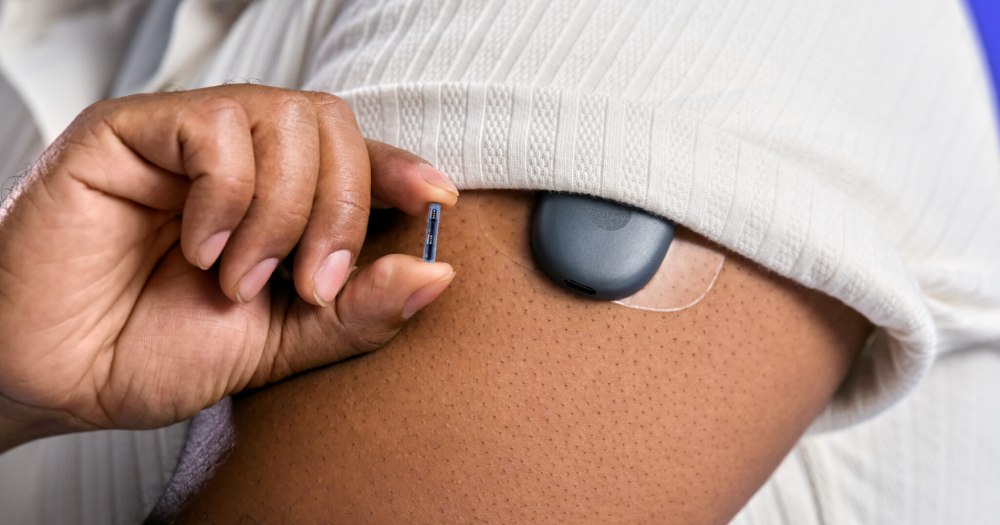
Most glucose monitors ask people to wear something. Senseonics wants to remove that part entirely. The US company has started its first-in-human study of Freedom, an implanted continuous glucose monitor (CGM) that would send readings directly to a smartphone, with no transmitter stuck to the arm.
It is an early feasibility study, not a verdict. But the direction is clear, and it matters in a region where diabetes is a daily public health pressure.
How will it work?
Freedom builds on the sensing technology in Eversense 365, the company's one-year CGM. Eversense 365 still needs a removable transmitter worn over the sensor. Freedom adds an integrated battery and built-in Bluetooth, so the transmitter is no longer required.
The first study will assess safety and device function, including the direct Bluetooth link. Preclinical work finished in the second quarter of 2026 tested several antenna designs and implant locations. Over about seven weeks and more than 18,500 data points, the preferred design achieved 100% communication success within the target distance.
Senseonics expects to start a pivotal study in 2027 and is targeting a commercial launch in 2028. Those are company targets, and they depend on trial results and regulatory review.
Why does it matter?
Device burden is a real reason people stop using diabetes technology. Adhesives, visible wearables and frequent sensor changes all add friction. A year-long sensor with nothing on the skin addresses all three.
Tim Goodnow, the company's chief executive, called it a way to make CGM "invisible." That is a bold claim for a device that has only just reached human testing. Still, using proven sensing technology lowers some of the development risk.
The context
Diabetes rates across the GCC are among the highest in the world, and health authorities from Riyadh to Abu Dhabi are investing in digital monitoring and chronic disease management under Vision 2030 and national health strategies. Long-term, low-maintenance devices could suit those goals, especially for patients who struggle with adherence.
Eversense 365 is currently cleared in the US and approved in Europe for adults. Freedom would need its own regulatory approvals, and nothing indicates Gulf availability yet. For regional clinicians and health planners, it is one to watch rather than one to plan around.
Latest @
Qatar builds the Middle East's first atlas of DNA variants that control gene activity
Cleveland Clinic Abu Dhabi lets doctors watch the gut react to food
Reem Hospital and Yas Clinic Khalifa City join forces in Abu Dhabi
The UAE is about to run its first gene-editing trial for a cholesterol disorder
Schneider Electric and PureHealth bet that greener hospitals will also run better
💡Did you know?
You can take your DHArab experience to the next level with our Premium Membership.👉 Click here to learn more
🛠️Featured tool
 Easy-Peasy
An all-in-one AI tool offering the ability to build no-code AI Bots, create articles & social media posts, convert text into natural speech in 40+ languages, create and edit images, generate videos, and more.
👉 Click here to learn more
