

Abu Dhabi health authority teams up with MIT’s cancer research institute on AI-driven oncology
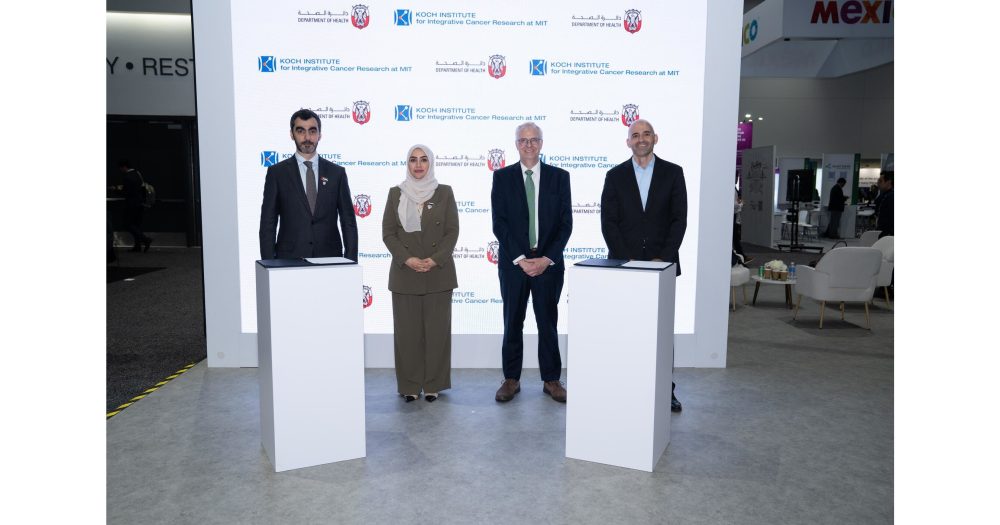
Abu Dhabi is making a significant push into AI-powered cancer research. The Department of Health - Abu Dhabi (DoH) and the MIT Koch Institute for Integrative Cancer Research have announced a formal collaboration to advance oncology research, with a focus on using artificial intelligence and what the partners call 'bioconvergence' - the blending of biology, engineering, and data science to tackle disease.
The partnership connects one of the world's most respected cancer research institutions with Abu Dhabi's growing life sciences infrastructure. On the MIT side, the Koch Institute has long operated at the intersection of biology and technology, bringing together cancer biologists, engineers, and clinicians under one roof. On the Abu Dhabi side, the DoH oversees the emirate's entire healthcare sector and has been actively working to position the UAE as a regional hub for medical innovation.
The deal aligns with the UAE's National Cancer Strategy and covers research, talent development, and startup support - making it broader in scope than a typical academic research agreement.
How will it work?
The collaboration has three main areas of focus. First, the research side:
- Large-scale, multi-institutional clinical trials and translational research studies
- Shared research databases and biobanks built specifically for population-level cancer research
- Participation in MIT's Bioconvergence Cancer Alliance, a network of institutions working on next-generation cancer science
A particular emphasis will be placed on cancer challenges linked to climate and population-specific factors - a nod to the Gulf region's unique environmental conditions and genetic profiles, which are often underrepresented in global cancer research datasets.
Second, talent development. The two institutions plan to set up physician-scientist fellowships, bilateral exchange programs, and joint learning opportunities. The goal is to train healthcare professionals in clinical oncology, AI, and computational biology.
Third, a bioconvergence incubator will be established to support early-stage startups working at the intersection of AI and oncology. Founders will get access to mentorship, scientific expertise, and connections to investors.
Why does it matter?
Cancer is the second leading cause of death globally, and the Middle East faces a growing burden from the disease. Rates of certain cancers in the Gulf region have been rising, partly due to lifestyle factors and partly because the population is aging. Yet most major cancer research has historically focused on Western populations, leaving significant gaps in our understanding of how cancer behaves differently across ethnic and genetic groups.
Building shared biobanks and running population-specific research studies could help close that gap - and potentially produce findings that benefit patients far beyond the UAE.
There is also a talent angle. The Gulf region has historically sent its brightest medical and scientific minds abroad for advanced training, with no guarantee they return. Structured fellowships and exchange programs tied to a prestigious institution like MIT could help Abu Dhabi retain and attract top scientific talent.
H.E. Dr. Noura Khamis Al Ghaithi, Undersecretary of the DoH, framed the partnership around real-world impact: "We define innovation by the impact it creates at a population-level. Together, we will advance new approaches to cancer research, talent development and bioconvergence innovation while creating new opportunities to build, test and scale solutions that can benefit patients in Abu Dhabi and around the world."
The context
This announcement fits into a broader pattern. Gulf states, led by the UAE and Saudi Arabia, have been investing heavily in life sciences and health tech over the past several years. Abu Dhabi in particular has been building out its healthcare innovation infrastructure, attracting international institutions and creating incentives for biotech companies to set up in the emirate.
MIT, for its part, has been expanding its global research partnerships. The Koch Institute already works with industry partners and academic institutions around the world through its alliance model, so adding Abu Dhabi is consistent with that strategy.
Matthew Vander Heiden, Director of the MIT Koch Institute, said the collaboration reflects a belief that solving complex health problems requires working across disciplines and geographies: "We look forward to connecting MIT's research community with Abu Dhabi's growing healthcare innovation ecosystem, to exploring together new opportunities in oncology, AI and precision medicine."
What makes this deal worth watching is the combination of elements: serious research infrastructure, a talent pipeline, and a startup incubator, all tied to a specific scientific mission. Whether it produces results will depend on execution - but the structure is more concrete than many high-profile international research announcements tend to be.
Latest @
75,000 samples in: inside Abu Dhabi's AI wastewater early-warning system
Dubai-founded Enhance raises $18.2 million to push deeper into US gym market
Saudi health minister signs MoU with Portugal in push to build global health partnerships
Neuratia Labs names ten fellows for its first global neuroscience research program
💡Did you know?
You can take your DHArab experience to the next level with our Premium Membership.👉 Click here to learn more
🛠️Featured tool
 Easy-Peasy
An all-in-one AI tool offering the ability to build no-code AI Bots, create articles & social media posts, convert text into natural speech in 40+ languages, create and edit images, generate videos, and more.
👉 Click here to learn more
