

Dr. Soliman Fakeeh Hospital completes Saudi Arabia’s first private-sector stem cell transplant
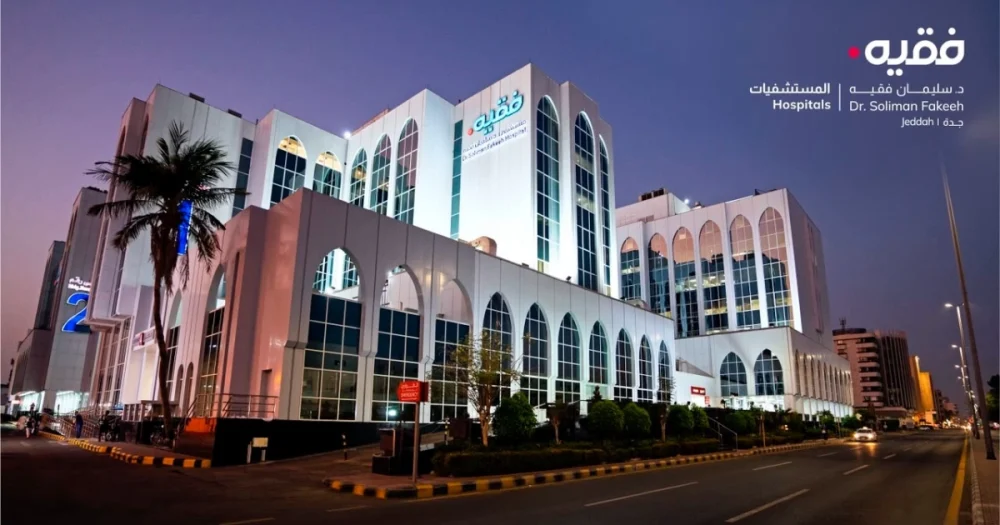
A hospital in Jeddah has quietly crossed a threshold that matters for cancer patients across Saudi Arabia. Dr. Soliman Fakeeh Hospital has completed the first autologous stem cell transplant performed by a private healthcare provider in the Kingdom, treating a 55-year-old patient with multiple myeloma, a cancer of the plasma cells in bone marrow.
The procedure is the first completed under the hospital's newly launched Stem Cell Transplantation and Cellular Therapy Program. Until now, this type of treatment was only available through public sector hospitals in Saudi Arabia.
Dr. Mazen Fakeeh, President of Fakeeh Care Group, called it a significant step in the group's push toward expanding specialized medical services, and a sign of the private sector's growing role in delivering complex care across the country.
How did it go?
The transplant used the patient's own stem cells, which is what "autologous" means in this context. The process works in three stages:
- Stem cells are collected from the patient after an initial round of treatment
- High-dose chemotherapy is given to destroy as many cancer cells as possible
- The stored stem cells are reinfused to rebuild bone marrow function and restart healthy blood cell production
Dr. Ahmed Alsaeed, a hematology and bone marrow transplantation consultant at the hospital, said the successful outcome reflects the institution's clinical expertise and the infrastructure it has built to support this kind of procedure at international standards.
Why does it matter?
For patients with multiple myeloma who qualify for this treatment, access has historically meant going through the public system or traveling abroad. Having a private hospital capable of performing the procedure changes that.
It also signals a broader shift. Saudi Arabia's Vision 2030 health reforms are pushing for greater private sector involvement in specialized care, and this transplant is a concrete example of that policy translating into clinical practice. When more providers can offer complex treatments locally, patients spend less time waiting and less money traveling.
Autologous stem cell transplantation is considered a standard treatment option for eligible multiple myeloma patients because it can produce deeper responses than chemotherapy alone, extend the period before the disease progresses, and improve quality of life.
The context
Dr. Soliman Fakeeh Hospital's oncology center already offers a wide range of cancer treatments, including robotic-assisted surgery, immunotherapy, targeted therapy, and radiation. Cases are reviewed by a tumor board, a multidisciplinary team that builds individualized treatment plans for each patient.
Multiple myeloma is the second most common blood cancer globally. It is not curable in most cases, but modern treatment, including stem cell transplantation, has significantly extended survival over the past two decades. The global stem cell therapy market has grown rapidly as more conditions become treatable through cellular approaches, and hospitals across the Middle East have been investing in the infrastructure needed to offer these therapies locally rather than referring patients overseas.
This transplant puts Dr. Soliman Fakeeh Hospital among a small group of private institutions in the region with verified in-house capability for bone marrow transplantation, a milestone that will likely increase pressure on other private providers to build similar programs.
Latest @
Blueprint lands in the UAE as longevity moves from policy to product
M42 launches 10,000-patient wearable pilot in Abu Dhabi to reshape chronic disease care
Unilabs Middle East and Takalam link diagnostics to mental health in one app
Al Ghurair enters healthcare with Trellis Health launch in Dubai
💡Did you know?
You can take your DHArab experience to the next level with our Premium Membership.👉 Click here to learn more
🛠️Featured tool
 Easy-Peasy
An all-in-one AI tool offering the ability to build no-code AI Bots, create articles & social media posts, convert text into natural speech in 40+ languages, create and edit images, generate videos, and more.
👉 Click here to learn more
