

Qatar’s main hospital network partners with Boehringer Ingelheim to build clinical research capacity
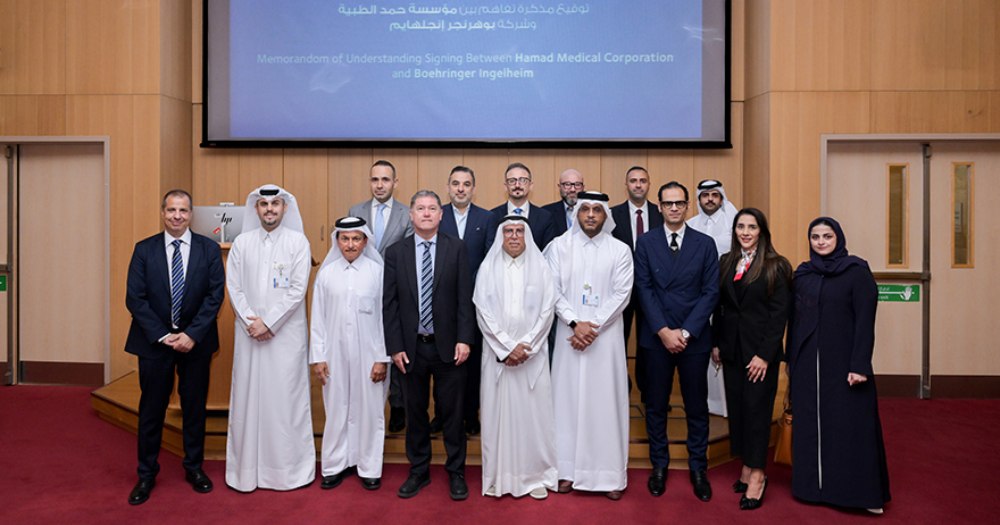
Hamad Medical Corporation (HMC), Qatar's primary public hospital network, has signed a memorandum of understanding with Boehringer Ingelheim to work together on clinical research, health technology assessment, and workforce development. The agreement was announced in Doha on June 28, 2026.
The partnership gives both organizations a formal framework to expand Qatar's clinical trial activity, strengthen the infrastructure needed to evaluate new drugs and medical technologies, and give local researchers more exposure to international studies and emerging science.
For HMC, the deal is part of a broader push to position Qatar as a serious player in global medical research, in line with the country's National Health Strategy 2024-2030 and its longer-term Qatar National Vision 2030.
How will it work?
The MoU covers several distinct areas of cooperation between HMC and Boehringer Ingelheim:
- Clinical trials: The two organizations will work to strengthen HMC's Clinical Trials Unit, with the goal of attracting more international studies to Qatar and giving local researchers greater access to global networks.
- Health technology assessment (HTA): HMC will receive support to build out its HTA capabilities, including the technical skills and infrastructure needed to assess the clinical, economic, and social value of new medicines, devices, and digital health tools.
- Research visibility: HMC researchers will gain better access to information on emerging therapies and scientific developments, helping the organization align its research priorities with where medicine is heading.
- Workforce development: The agreement includes capacity-building efforts to improve the skills of healthcare professionals involved in research and evidence-based decision-making.
Ali Al Janahi, Assistant Managing Director of HMC, said the collaboration is about "expanding opportunities for clinical trials, enhancing research capabilities, and strengthening expertise" to improve patient outcomes in Qatar.
Why does it matter?
Health technology assessment is still a relatively young discipline in much of the Gulf region. As governments across the Middle East try to move away from blanket reimbursement of new drugs and toward more selective, evidence-based purchasing decisions, having trained HTA professionals and solid infrastructure matters a great deal. This partnership directly targets that gap.
On the clinical trials side, Qatar has historically had limited participation in large international studies. Attracting more of those trials has real benefits: patients get earlier access to new treatments, local researchers build their careers and reputations, and the country's broader scientific base grows stronger.
Anas Ahmad Hamad, Deputy Chief of Drug Supply at HMC and lead of the National HTA and Innovation Regulation Program, said the goal is to build "sustainable HTA infrastructure" that supports "responsible access to innovation" rather than simply adding bureaucratic process.
The context
Boehringer Ingelheim is one of the world's largest privately held pharmaceutical companies, with a strong presence across therapeutic areas including cardiovascular disease, diabetes, and respiratory conditions. The company has been expanding its partnerships across the Middle East and Africa region in recent years, reflecting growing interest from global pharma in markets that are investing heavily in healthcare modernization.
HMC runs most of Qatar's public hospitals and specialist centers, making it the logical anchor partner for any large-scale research or healthcare development initiative in the country. Qatar has invested significantly in healthcare infrastructure in recent years, and deals like this one are part of a conscious effort to shift from building physical capacity to building scientific and research capacity.
The agreement also fits a wider regional trend. Saudi Arabia, the UAE, and Qatar are all competing to attract pharmaceutical investment, clinical research activity, and healthcare innovation, and formal partnerships with major global companies are one of the key tools they are using to do it.
Latest @
Blueprint lands in the UAE as longevity moves from policy to product
M42 launches 10,000-patient wearable pilot in Abu Dhabi to reshape chronic disease care
Unilabs Middle East and Takalam link diagnostics to mental health in one app
Al Ghurair enters healthcare with Trellis Health launch in Dubai
💡Did you know?
You can take your DHArab experience to the next level with our Premium Membership.👉 Click here to learn more
🛠️Featured tool
 Easy-Peasy
An all-in-one AI tool offering the ability to build no-code AI Bots, create articles & social media posts, convert text into natural speech in 40+ languages, create and edit images, generate videos, and more.
👉 Click here to learn more
