

Abu Dhabi launches first genomics-driven Alzheimer’s trial using national DNA database
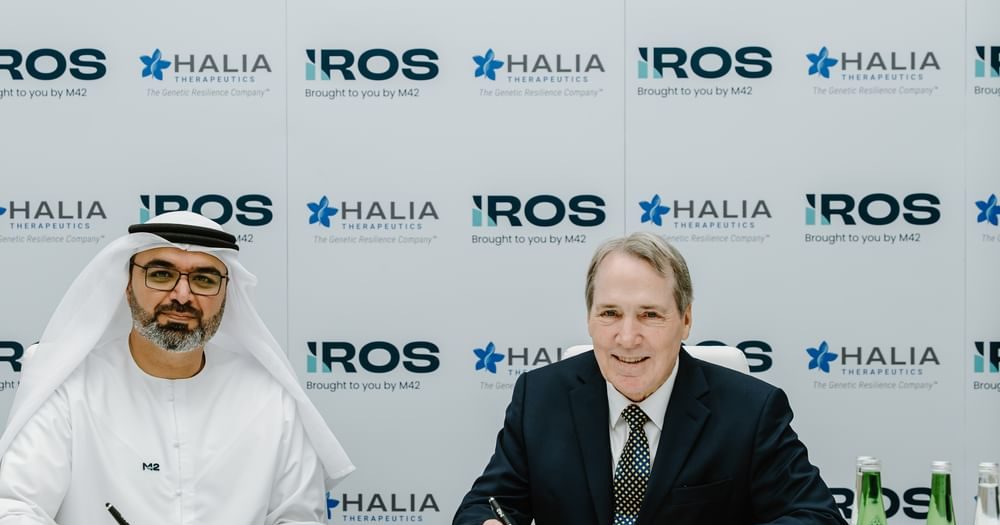
Abu Dhabi has launched what it says is the UAE's first clinical trial driven by genomic data, targeting Alzheimer's disease in people who carry a high-risk gene variant but show no symptoms yet. The trial is a collaboration between M42's research unit IROS, the Department of Health Abu Dhabi, and Halia Therapeutics, a US-based biotech company working on early Alzheimer's intervention.
The study will test HT-4253, Halia's experimental drug, in people who carry the APOE4 gene variant. That variant is the strongest known genetic risk factor for late-onset Alzheimer's. The key word here is 'asymptomatic': researchers are not waiting for cognitive decline to show up. They want to intervene before the disease takes hold.
What makes this trial unusual is where the participants come from. Instead of standard recruitment, eligible individuals will be identified through the Emirati Genome Programme (EGP), a national database of genetic data from the UAE population. Those who match the criteria will receive a text message inviting them to screening. It is a model that turns a national genomic database into a direct pipeline for clinical research.
How does it work?
The process runs in a few distinct steps:
- Researchers use the EGP database to identify people who may carry the APOE4 variant and meet the trial's eligibility criteria
- The Department of Health Abu Dhabi contacts those individuals by text message to invite them to screening
- Eligible participants go through genetic counseling before any trial enrollment
- Those who qualify are enrolled in the trial and receive HT-4253, Halia's investigational therapy
The Department of Health Abu Dhabi is providing regulatory oversight and says all data use complies with applicable privacy and data protection rules. The EGP data is not being handed over to third parties; the outreach and screening process is managed within the existing regulatory framework.
Why does it matter?
Alzheimer's affects more than 55 million people worldwide. That number is expected to nearly triple by 2050, and there is still no approved treatment that stops the disease before it starts. Most clinical trials enroll people after symptoms appear, which many researchers believe is too late for meaningful intervention.
This trial takes a different approach: use genetics to find people at risk before damage accumulates, then test whether a drug can make a difference at that earlier stage. If it works, it could help shift Alzheimer's care from treatment toward prevention.
There is also a representation problem in global genomics research. The vast majority of large genomic studies have been conducted on populations of European descent, which limits how broadly findings can be applied. The EGP is one of the few population-scale datasets built around a Middle Eastern population, and including that data in clinical research helps address a real gap in the global evidence base.
The context
The Emirati Genome Programme was launched in 2019 with a goal of mapping the genomes of all UAE nationals. It is one of the largest national genomics initiatives in the world by population coverage, and Abu Dhabi has positioned it as a long-term health infrastructure investment rather than a research project with a defined end date.
M42, the Abu Dhabi-based health company that includes IROS, has been building out clinical and data infrastructure designed to connect genomic data with real-world research. IROS was set up specifically to run biomarker-driven trials of the kind this Alzheimer's study represents.
Halia Therapeutics' approach to drug development centers on what its team calls genetic resilience: studying people who carry high-risk gene variants but do not develop the expected disease, then trying to understand and replicate that biological protection. The company has established a physical presence in Abu Dhabi as part of this collaboration, citing the EGP's data scale and the integrated clinical infrastructure as the main reasons for choosing the UAE as a trial location.
For Abu Dhabi, the trial is an early test of whether years of investment in national genomic data can translate into something clinically useful. If the model works, it could attract more international biotech companies looking for genetically characterized populations that are currently underrepresented in global research.
Latest @
Blueprint lands in the UAE as longevity moves from policy to product
M42 launches 10,000-patient wearable pilot in Abu Dhabi to reshape chronic disease care
Unilabs Middle East and Takalam link diagnostics to mental health in one app
Al Ghurair enters healthcare with Trellis Health launch in Dubai
💡Did you know?
You can take your DHArab experience to the next level with our Premium Membership.👉 Click here to learn more
🛠️Featured tool
 Easy-Peasy
An all-in-one AI tool offering the ability to build no-code AI Bots, create articles & social media posts, convert text into natural speech in 40+ languages, create and edit images, generate videos, and more.
👉 Click here to learn more
