

Abu Dhabi and Novartis team up on genomics research and precision medicine
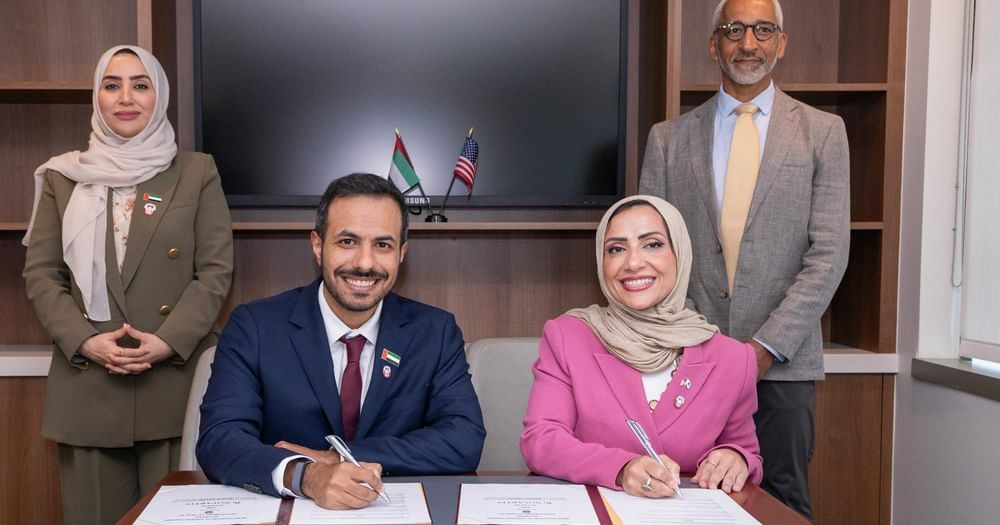
Abu Dhabi's Department of Health (DoH) and Novartis Middle East FZE signed a Memorandum of Understanding on June 26 to work together on genomics research, advanced therapies, and scientific training. The signing took place in San Diego, during a DoH delegation visit to the Novartis Biomedical Research site, held alongside the BIO International Convention 2026.
The agreement builds on an existing relationship between the two organizations, which already spans clinical research, health technology assessment, and policy work in innovative treatment areas. This new MoU expands that relationship into genomics and precision medicine.
The goal is to connect Abu Dhabi's population-level genomic data with Novartis's drug development and research expertise, with the aim of improving health outcomes for patients in the UAE and potentially beyond.
How will it work?
The MoU outlines three main areas of joint work:
- Genomics research: Both organizations will collaborate on research relevant to the UAE population, using data and insights from Abu Dhabi's existing genomics infrastructure.
- Scientific capacity building: The partnership aims to strengthen local scientific capabilities, helping Abu Dhabi develop homegrown expertise in genomics and precision medicine.
- Advanced therapies: The two sides will explore how genomic insights can support the development and access of more targeted treatments.
The visit to Novartis's San Diego site also included leadership meetings and discussions on future opportunities in biomedical research, suggesting the collaboration could expand further over time.
Why does it matter?
Abu Dhabi's Emirati Genome Programme has already sequenced more than 900,000 genomes, making it one of the largest population genomics programs anywhere in the world. That scale is significant. Most genomic databases are dominated by European ancestry data, which limits how useful they are for diagnosing and treating people from other populations. A dataset of this size, focused on Emirati and UAE residents, could help address that gap.
Partnering with a global pharmaceutical company like Novartis gives Abu Dhabi a direct link between its genomic data and the drug development pipeline. That connection matters because sequencing genomes is only the first step. Turning that data into better treatments requires clinical expertise, research infrastructure, and the ability to run trials, all areas where Novartis brings experience.
Dr. Asma Ibrahim Al Mannaei, Executive Director of the Health Life Sciences Sector at DoH, said the collaboration "accelerates the translation of research into solutions that can improve outcomes for patients and communities." Mohamed Ezz Eldin, Head of Novartis GCC Cluster, said the partnership offers "an opportunity to support advances in genomics research, scientific capability building, and the future of precision medicine."
The context
Abu Dhabi has been investing heavily in health innovation for several years. The Emirati Genome Programme launched with the ambition of sequencing the genomes of the entire Emirati population, and the 900,000-genome milestone shows that effort is well advanced. The emirate has also built out a broader ecosystem of research institutions, hospitals, and health technology companies designed to work together.
For Novartis, this deal fits a wider industry pattern. Major pharmaceutical companies are increasingly partnering with governments and health systems that hold large, well-characterized population datasets. Access to that kind of data can speed up target identification, improve clinical trial design, and support regulatory submissions. The UAE, with its relatively young and genetically distinct population, offers a dataset that is genuinely hard to replicate elsewhere.
The fact that the signing happened at BIO 2026, the biotech industry's largest annual convention, also signals that both parties want this partnership to be visible. It positions Abu Dhabi as a serious player in global genomics, not just a regional one.
Latest @
Blueprint lands in the UAE as longevity moves from policy to product
M42 launches 10,000-patient wearable pilot in Abu Dhabi to reshape chronic disease care
Unilabs Middle East and Takalam link diagnostics to mental health in one app
Al Ghurair enters healthcare with Trellis Health launch in Dubai
💡Did you know?
You can take your DHArab experience to the next level with our Premium Membership.👉 Click here to learn more
🛠️Featured tool
 Easy-Peasy
An all-in-one AI tool offering the ability to build no-code AI Bots, create articles & social media posts, convert text into natural speech in 40+ languages, create and edit images, generate videos, and more.
👉 Click here to learn more
