

OpenAI and Anthropic join push to stop AI from helping build bioweapons
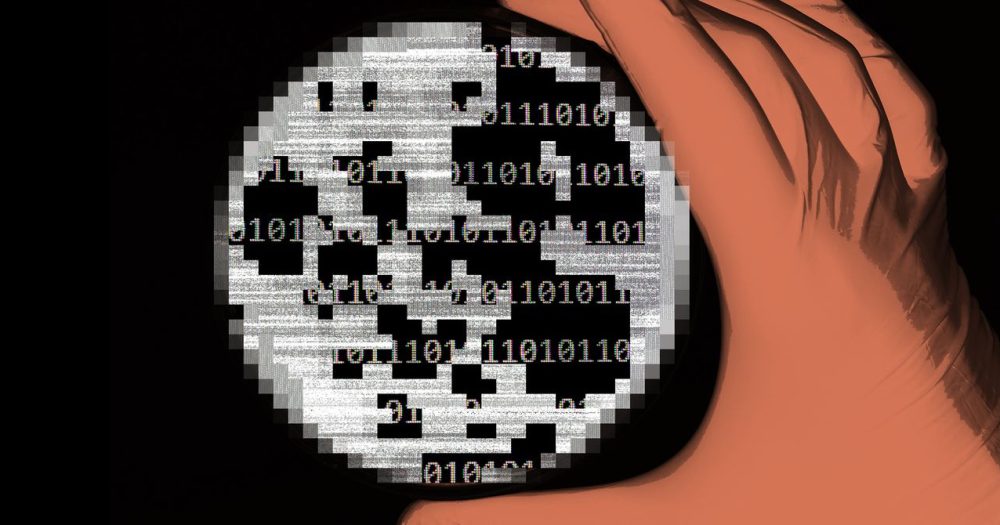
The CEOs of some of the biggest AI companies in the United States are asking lawmakers to act before their own technology gets used to create biological weapons. OpenAI, Anthropic, and other major labs have signed an open letter calling on Congress to strengthen oversight of synthetic DNA, the building blocks that could be used to engineer dangerous pathogens.
The letter, sent to members of Congress, focuses on a specific gap in current rules: the lack of consistent screening for who can order synthetic DNA sequences and what they plan to do with them. Right now, oversight is patchy, and researchers worry that AI tools could help someone with malicious intent fill in the knowledge gaps needed to turn dangerous sequences into actual weapons.
The move puts AI companies in an unusual position. They are essentially asking the government to regulate a risk created, in part, by their own products. That kind of proactive lobbying on biosecurity is rare in the tech industry.
What's the proposal?
The letter calls on Congress to improve tracking and screening of synthetic DNA orders. Synthetic biology companies can currently manufacture custom DNA sequences on request, but there is no federal requirement to screen every customer or every order for biosecurity risks.
The signatories want lawmakers to:
- Require consistent screening of synthetic DNA orders across all providers
- Create clearer rules about which sequences should be flagged or blocked
- Build systems that can keep pace with how quickly AI is advancing
The letter is signed by AI lab executives and scientists, though the full list of signatories was not disclosed in the available reporting.
Why does it matter?
AI models are getting better at answering complex scientific questions, including ones in biology and chemistry. That's useful for legitimate research, but it also means the barrier to acquiring dangerous knowledge is getting lower. Someone trying to engineer a harmful pathogen might once have needed years of specialist training. AI tools could compress that process significantly.
Synthetic DNA is the practical next step. Even if someone uses an AI to figure out what they need, they still have to order the physical genetic material to build it. Tightening controls at that stage is seen as one of the more concrete ways to reduce risk.
Biosecurity experts have flagged this gap for years, but the rapid improvement of AI tools has made the issue more urgent. If Congress acts on this letter, it would be one of the first pieces of AI-related legislation focused specifically on biological risk rather than on the technology itself.
The context
This is not the first time AI labs have raised alarms about biosecurity. Anthropic published research in 2023 examining whether its Claude model could help someone create a dangerous pathogen. OpenAI has run similar internal tests. Both companies have added guardrails to try to stop their models from giving out harmful biological information, but those filters are imperfect and can sometimes be bypassed.
The broader picture is that AI companies are increasingly trying to get ahead of regulation rather than resist it. After years of lobbying against heavy-handed rules in areas like copyright and liability, some labs are now actively asking for government intervention in specific high-risk areas. Biosecurity is one. Child safety online is another.
Whether Congress will act is a separate question. Biosecurity legislation has stalled before, and lawmakers have struggled to keep up with the pace of change in AI. But having major tech CEOs sign a letter asking for more oversight is an unusual pressure point, and it may be harder for legislators to ignore than a warning from scientists alone.
Latest @
Blueprint lands in the UAE as longevity moves from policy to product
M42 launches 10,000-patient wearable pilot in Abu Dhabi to reshape chronic disease care
Unilabs Middle East and Takalam link diagnostics to mental health in one app
Al Ghurair enters healthcare with Trellis Health launch in Dubai
💡Did you know?
You can take your DHArab experience to the next level with our Premium Membership.👉 Click here to learn more
🛠️Featured tool
 Easy-Peasy
An all-in-one AI tool offering the ability to build no-code AI Bots, create articles & social media posts, convert text into natural speech in 40+ languages, create and edit images, generate videos, and more.
👉 Click here to learn more
