

Saudi Arabia deploys AI and digital services for 2026 Hajj pilgrimage
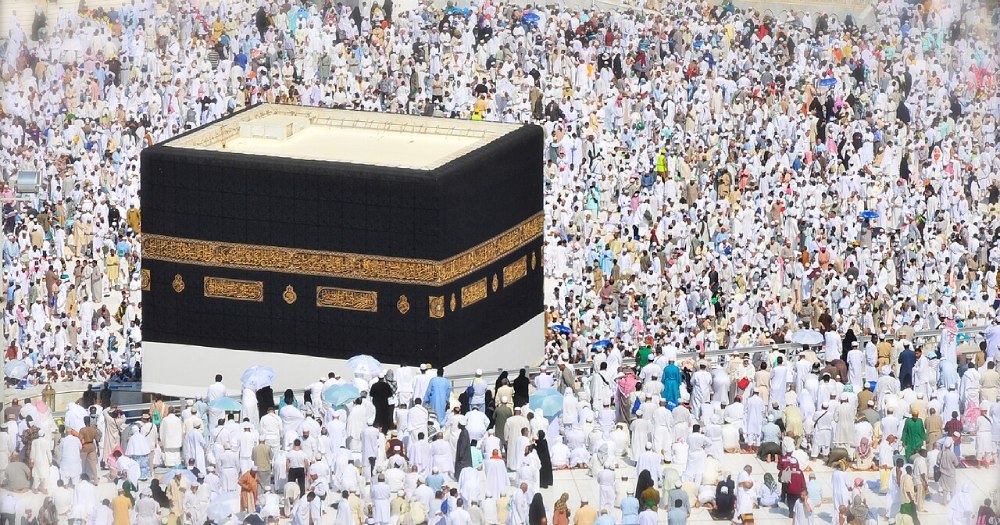
Saudi Arabia is using an extensive digital infrastructure to manage the 2026 Hajj pilgrimage, deploying artificial intelligence and integrated government systems to serve millions of visitors. The Kingdom has built what officials describe as a coordinated digital ecosystem that operates across air, land, and sea entry points.
The technology rollout spans crowd management, healthcare, transportation, and pilgrim services. It represents one of the largest implementations of government digital services for a single event, with systems designed to handle the logistical challenges of hosting over two million people in concentrated areas during the annual pilgrimage.
How will it work?
The digital system starts at Saudi Arabia's borders, where government agencies use instant translation devices supporting more than 130 languages to help pilgrims navigate entry procedures. Once inside the country, pilgrims interact with several integrated platforms and services:
- Crowd management: Real-time data analytics and live monitoring systems track movement and regulate pedestrian and vehicle flows in high-density areas around holy sites
- Transportation: Automated monitoring systems track transport violations, achieving 93% compliance rates and reducing reliance on manual inspections
- Healthcare: The NPHIES platform gives medical practitioners instant access to patient data, while telemedicine services provide remote consultations
- Mobile apps: The Nusuk app offers 130+ digital services to 51 million users globally, including interactive maps and booking services. The Tawakkalna super app provides 1,300+ government services
Artificial intelligence powers several services, including a "Symptom Checker" tool that analyzes medical symptoms and history to provide preliminary health assessments. The system aims to reduce waiting times and improve medical response efficiency.
Why does it matter?
The Hajj presents unique logistical challenges that make it a testing ground for large-scale digital government services. Managing over two million people in a concentrated area requires coordination across multiple agencies and real-time decision making.
The success or failure of these systems has immediate safety implications. Crowd management failures during previous Hajj pilgrimages have resulted in deadly stampedes, making effective monitoring and flow control critical. The 2015 Mina stampede killed over 2,000 people, highlighting the importance of crowd management technology.
Saudi Arabia's approach also demonstrates how governments can use technology to manage massive temporary populations. The solutions being tested during Hajj could influence how other countries handle large-scale events or emergency situations requiring rapid coordination of services.
The context
This digital infrastructure deployment is part of Saudi Arabia's broader Vision 2030 initiative, which aims to diversify the economy and modernize government services. The Kingdom has been investing heavily in digital transformation as it seeks to reduce dependence on oil revenues.
The Hajj also represents significant economic value for Saudi Arabia. The pilgrimage generates billions in revenue annually, and improving the experience could support the Kingdom's goals of increasing religious tourism. Officials have set targets to accommodate 30 million pilgrims annually by 2030, up from current levels.
Other countries are watching Saudi Arabia's digital government experiments closely. The scale and complexity of managing Hajj logistics provides real-world testing for technologies that governments worldwide are considering for their own digital transformation efforts.
Latest @
Tunisia bets on telehealth as it prepares to host Telehealth Connect 2026
Wearable AI system developed by Qatar medical students flags cardiac risk outside hospital
GLP-1 consultations surge 60% at Valeo Health as UAE weight management shifts toward continuous care
Abu Dhabi sends first health mission to China, targeting AI, cancer care and new drug development
UAE pharmaceutical chief meets Moderna co-founder in New York to explore manufacturing and R&D ties
💡Did you know?
You can take your DHArab experience to the next level with our Premium Membership.👉 Click here to learn more
🛠️Featured tool
 Easy-Peasy
An all-in-one AI tool offering the ability to build no-code AI Bots, create articles & social media posts, convert text into natural speech in 40+ languages, create and edit images, generate videos, and more.
👉 Click here to learn more
