

Saudi Arabia deploys smart watches to monitor pilgrims’ hearts during Hajj
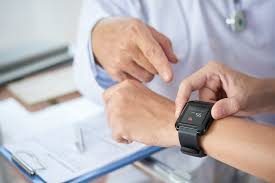
Saudi health authorities have started using smart watches to monitor pilgrims with heart conditions during the 2025 Hajj pilgrimage. The Madinah Health Cluster says the devices track vital signs in real time while letting patients continue their religious activities without interruption.
The technology marks a significant step in digital healthcare for one of the world's largest religious gatherings. Each year, millions of pilgrims travel to Saudi Arabia for Hajj, creating massive challenges for healthcare providers who must monitor vulnerable patients across crowded holy sites.
How does it work?
The smart watches continuously monitor three key health indicators:
- Heart rate patterns
- Electrocardiogram (ECG) readings
- Blood oxygen levels
All data transmits directly to medical teams through virtual clinics and digital monitoring rooms. Doctors can spot changes in a patient's condition immediately and respond when necessary. The system operates through the "Rafiq Rihltak Bil-Hajj" initiative, which partners with Seha Virtual Hospital.
Why does it matter?
This technology solves a critical problem for cardiac patients during Hajj. Previously, people with heart conditions faced difficult choices between participating fully in religious activities or staying close to medical facilities for monitoring.
The smart watches eliminate this trade-off. Patients can now:
- Move freely between holy sites
- Participate in all religious rituals
- Receive continuous medical oversight
- Get immediate help if their condition changes
For healthcare providers, the system offers early warning signs that can prevent medical emergencies in crowded conditions where quick evacuation might be challenging.
The context
Saudi Arabia has invested heavily in digital health technologies as part of its Vision 2030 modernization plan. The kingdom regularly hosts over 2 million pilgrims during Hajj, making healthcare logistics extremely complex.
The smart watch program reflects broader trends in remote patient monitoring that accelerated during the COVID-19 pandemic. Healthcare systems worldwide now use wearable devices to track patients with chronic conditions outside traditional hospital settings.
This initiative also supports Saudi Arabia's goals to improve its healthcare reputation internationally. As the kingdom seeks to diversify its economy beyond oil, establishing itself as a leader in healthcare innovation becomes increasingly important for attracting medical tourism and international partnerships.
Latest @
Tunisia bets on telehealth as it prepares to host Telehealth Connect 2026
Wearable AI system developed by Qatar medical students flags cardiac risk outside hospital
GLP-1 consultations surge 60% at Valeo Health as UAE weight management shifts toward continuous care
Abu Dhabi sends first health mission to China, targeting AI, cancer care and new drug development
UAE pharmaceutical chief meets Moderna co-founder in New York to explore manufacturing and R&D ties
💡Did you know?
You can take your DHArab experience to the next level with our Premium Membership.👉 Click here to learn more
🛠️Featured tool
 Easy-Peasy
An all-in-one AI tool offering the ability to build no-code AI Bots, create articles & social media posts, convert text into natural speech in 40+ languages, create and edit images, generate videos, and more.
👉 Click here to learn more
