

UAE hospital performs keyhole surgery on babies in the womb to treat spina bifida
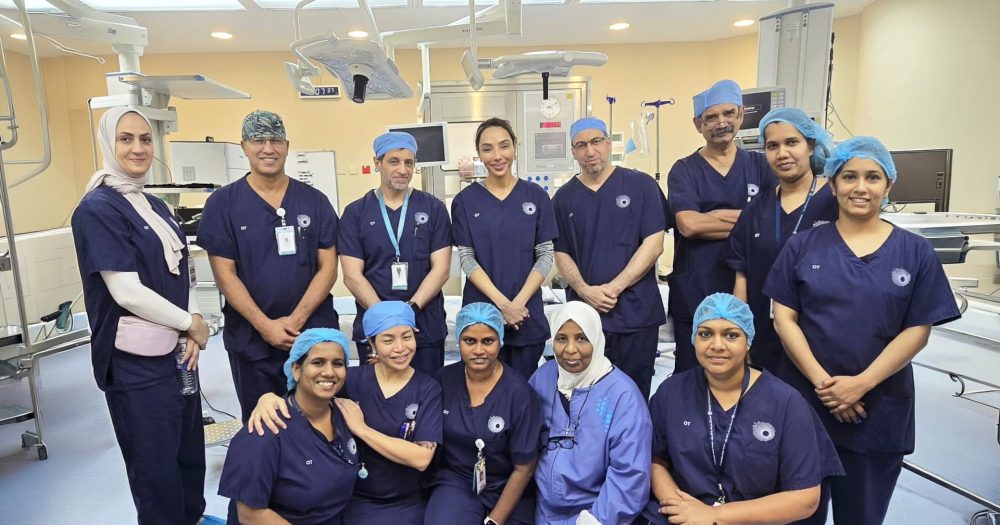
A hospital in Abu Dhabi has started performing keyhole surgery on unborn babies to treat spina bifida, a serious birth defect that can cause lifelong disability. Danat Al Emarat Hospital, part of the M42 health group, is the first facility in the Middle East to offer this advanced procedure.
The surgery happens while babies are still in the womb, typically between 19 and 26 weeks of pregnancy. Doctors make small incisions in both the mother's abdomen and the uterus to reach the baby and repair the spinal defect directly.
How does it work?
The minimally invasive technique uses tiny cameras and surgical instruments inserted through small openings. Surgeons can see inside the womb and carefully close the gap in the baby's spine where it failed to develop properly.
Key aspects of the procedure include:
- Surgery performed between 19-26 weeks of pregnancy
- Small incisions instead of large open surgery
- Real-time imaging guides the repair
- Procedure takes 2-3 hours on average
- Mother and baby monitored closely during recovery
This approach causes less trauma to both mother and baby compared to traditional open fetal surgery, which requires much larger incisions.
Why does it matter?
Spina bifida affects roughly 1 in every 1,000 pregnancies worldwide. The condition occurs when the spine doesn't close completely during early development, leaving the spinal cord exposed and vulnerable to damage.
Children born with severe spina bifida often face:
- Paralysis in the lower body
- Loss of bladder and bowel control
- Fluid buildup in the brain (hydrocephalus)
- Learning difficulties
- Need for multiple surgeries throughout life
Early intervention through fetal surgery can prevent some of this damage. Studies show babies who receive the surgery before birth often have better mobility and fewer complications than those treated only after delivery.
The context
Fetal surgery represents one of medicine's most technically challenging fields. Only a handful of medical centers worldwide have the expertise and equipment needed to perform these procedures safely.
The availability in the UAE fills a significant gap for families in the Middle East and North Africa region. Previously, expectant parents faced the difficult choice of traveling abroad for treatment or waiting until after birth, when repair options are more limited.
This development fits into the UAE's broader push to become a regional medical hub. The country has invested heavily in attracting top medical talent and acquiring advanced technologies to serve both local populations and medical tourists from neighboring countries.
Latest @
Blueprint lands in the UAE as longevity moves from policy to product
M42 launches 10,000-patient wearable pilot in Abu Dhabi to reshape chronic disease care
Unilabs Middle East and Takalam link diagnostics to mental health in one app
Al Ghurair enters healthcare with Trellis Health launch in Dubai
💡Did you know?
You can take your DHArab experience to the next level with our Premium Membership.👉 Click here to learn more
🛠️Featured tool
 Easy-Peasy
An all-in-one AI tool offering the ability to build no-code AI Bots, create articles & social media posts, convert text into natural speech in 40+ languages, create and edit images, generate videos, and more.
👉 Click here to learn more
