

Tunisia fast-tracks medicine supply reform with emergency funding
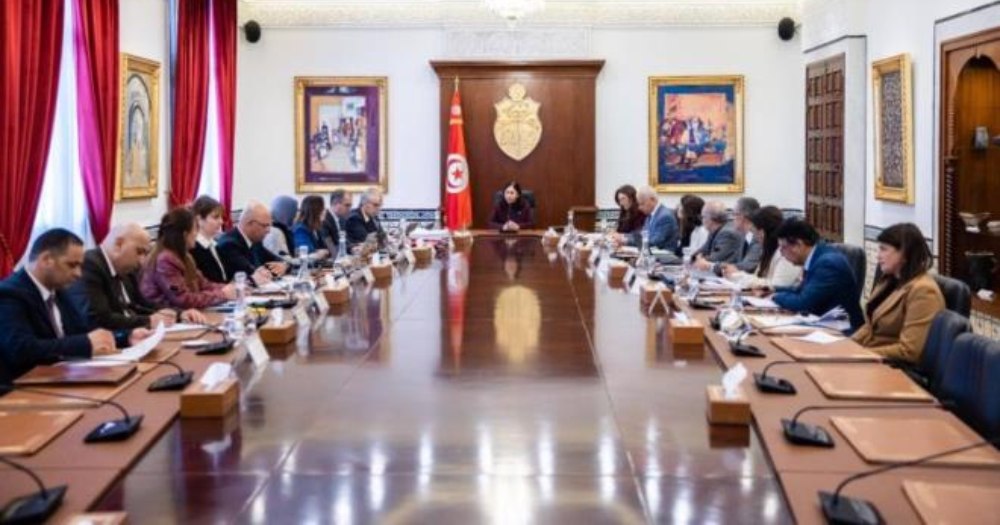
Tunisia's government is taking urgent action to fix chronic medicine shortages that have plagued the country's healthcare system. A cabinet meeting on Monday approved immediate funding for the Central Pharmacy of Tunisia and introduced new digital tracking systems to monitor drug supplies nationwide.
The reforms come as Tunisia struggles with persistent medication shortages across hospitals and pharmacies. Prime Minister Sara Zaafrani Zenzri said fixing the healthcare and social protection systems is "an absolute national priority" during the meeting at the Government Palace in Kasbah.
Going digital
The government approved sweeping digitization of the pharmaceutical system to track medicine distribution from import to patient. The new digital systems will:
- Monitor drug supplies in real-time across all regions
- Track distribution channels to prevent shortages
- Improve stock management at pharmacies and hospitals
- Speed up approval times for new drug marketing licenses
Health Minister Mustapha Ferjani gave cabinet members a detailed update on the Central Pharmacy's current situation and progress made since previous reforms were announced. The ministry will also strengthen inspection mechanisms to improve transparency across the pharmaceutical supply chain.
Why does it matter?
Medicine shortages in Tunisia have left patients without essential drugs and specialized treatments. The government wants to guarantee "continuous supply and equitable access to medicines for all citizens across hospitals, pharmacies, and regions."
The new strategic medicine stockpile will focus on essential and specialized drugs that are most prone to shortages. Tunisia also plans to reduce its dependence on foreign suppliers by encouraging local production of generic medicines.
The Prime Minister emphasized that strengthening the health sector could boost investment and exports while positioning Tunisia as a pharmaceutical hub in African and global markets.
The context
This isn't Tunisia's first attempt to fix medicine shortages. A previous cabinet meeting on September 3, 2025, had already approved a comprehensive plan to address the crisis. That plan included:
- Ensuring continuous availability of essential drugs nationwide
- Improving pharmaceutical system management
- Rationalizing drug use in healthcare facilities
- Shortening approval timelines for new medicines
Social Affairs Minister Issam Lahmar also presented the current status of social funds and proposed additional reform measures during Monday's meeting.
The government is updating Tunisia's essential medicines list and setting a national roadmap for vaccine production. Officials see digital transformation as the key to making the pharmaceutical sector sustainable long-term.
Latest @
Tunisia bets on telehealth as it prepares to host Telehealth Connect 2026
Wearable AI system developed by Qatar medical students flags cardiac risk outside hospital
GLP-1 consultations surge 60% at Valeo Health as UAE weight management shifts toward continuous care
Abu Dhabi sends first health mission to China, targeting AI, cancer care and new drug development
UAE pharmaceutical chief meets Moderna co-founder in New York to explore manufacturing and R&D ties
💡Did you know?
You can take your DHArab experience to the next level with our Premium Membership.👉 Click here to learn more
🛠️Featured tool
 Easy-Peasy
An all-in-one AI tool offering the ability to build no-code AI Bots, create articles & social media posts, convert text into natural speech in 40+ languages, create and edit images, generate videos, and more.
👉 Click here to learn more
