

New online tool helps Gulf residents spot colorectal cancer warning signs
Colorectal cancer is one of the most common cancers in the Gulf region. The good news? When doctors catch it early, it's highly treatable. The bad news? Too many cases are still being diagnosed at later stages when treatment becomes much harder.
Merck has launched an online symptom checker to help people recognize warning signs and get to a doctor sooner. The tool asks simple questions about symptoms and family history, then tells users whether they should talk to a healthcare professional about screening.
How does it work?
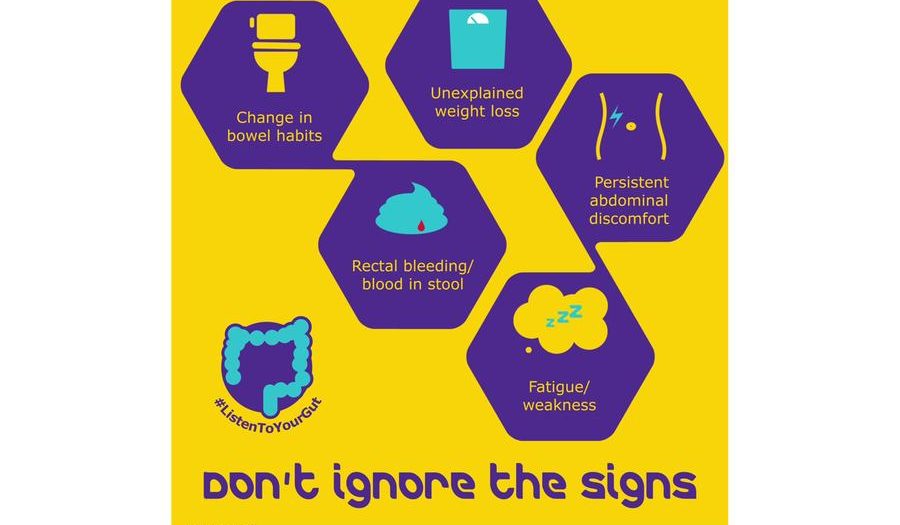
The symptom checker is a short questionnaire that asks about common colorectal cancer warning signs. Users answer questions about:
- Changes in bowel habits
- Blood in stool
- Unexplained weight loss
- Persistent abdominal discomfort
- Fatigue
- Family history of colorectal cancer
The tool doesn't diagnose cancer. Instead, it helps people decide if they should see a doctor. If responses suggest potential risk, the tool recommends scheduling a consultation to discuss screening options like stool tests or colonoscopy.
"Colorectal cancer outcomes can improve significantly when the disease is identified early," says Ahmed Fadl, General Manager for Gulf at Merck. "This educational tool is designed to support that first step, helping individuals recognize potential warning signs."
Why does it matter?
The numbers tell a clear story across the Gulf region:
- In the UAE, 41% of colorectal cancer cases are diagnosed in people under 40
- It's one of the most frequently diagnosed cancers among men and the second leading cause of cancer deaths overall
- In Kuwait, colorectal cancer accounts for 10.2% of all cancer cases
- Saudi Arabia saw it as the second most common cancer among men (11.1%) and third among women (9.5%) in 2022
- In Bahrain, it was the most commonly diagnosed cancer among men in 2022, with a 14.8% incidence rate
Many colorectal cancer symptoms are vague and can be mistaken for other conditions. This often leads to delays in seeking medical care. The symptom checker helps people recognize when these common symptoms might need professional attention.
Regular screening remains the most effective way to catch colorectal cancer early. Adults over 50 face higher risk, and screening can even identify precancerous changes before cancer develops.
The context
Colorectal cancer rates are rising globally, and the Gulf region is no exception. Several factors contribute to this trend:
- Changing diets with more processed foods
- Sedentary lifestyles
- Rising obesity rates
- Population aging
- Better detection methods finding more cases
Early detection makes a huge difference in outcomes. When caught in stage 1, colorectal cancer has a five-year survival rate of over 90%. By stage 4, that drops to around 15%.
The challenge is that early-stage colorectal cancer often has no symptoms at all. When symptoms do appear, they can be subtle or easily attributed to other conditions. This is why both awareness tools like Merck's symptom checker and regular screening programs are important.
Healthcare systems across the Gulf are working to improve screening rates and earlier detection. Tools that help people recognize when to seek medical advice can play a role in catching more cases when treatment is most effective.
Latest @
Blueprint lands in the UAE as longevity moves from policy to product
M42 launches 10,000-patient wearable pilot in Abu Dhabi to reshape chronic disease care
Unilabs Middle East and Takalam link diagnostics to mental health in one app
Al Ghurair enters healthcare with Trellis Health launch in Dubai
💡Did you know?
You can take your DHArab experience to the next level with our Premium Membership.👉 Click here to learn more
🛠️Featured tool
 Easy-Peasy
An all-in-one AI tool offering the ability to build no-code AI Bots, create articles & social media posts, convert text into natural speech in 40+ languages, create and edit images, generate videos, and more.
👉 Click here to learn more
