

Abu Dhabi wants to find lung cancer in X-rays it has already taken
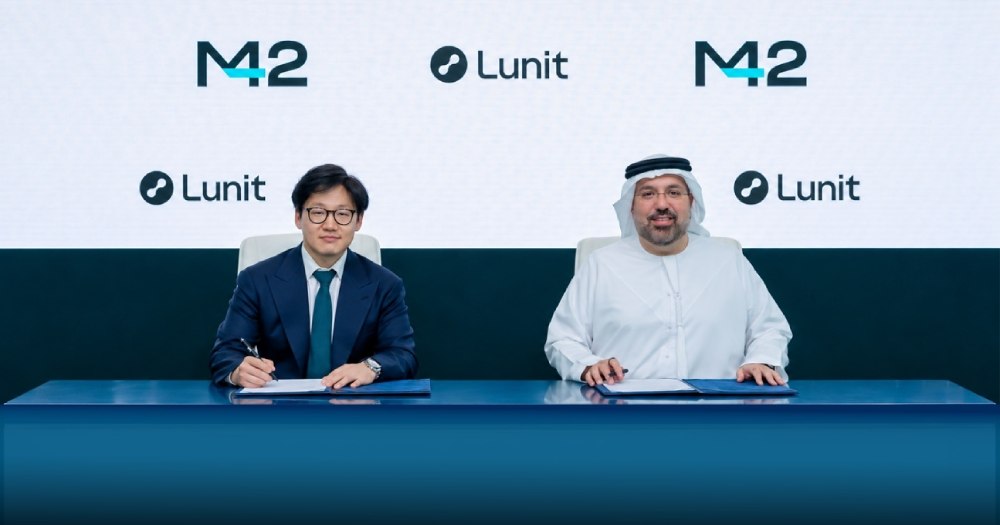
The most interesting data in healthcare may be the data nobody is looking at. Abu Dhabi has millions of chest X-rays sitting in its records, taken for coughs, injuries and routine checks. Some of them may show early lung cancer that was never noticed. Lunit, the South Korean cancer diagnostics company, and M42, the health group created by Mubadala and G42, now plan to find out.
The two announced a strategic collaboration on 23 November. It centres on applying Lunit INSIGHT CXR, an AI tool that reads chest X-rays, to images already stored in Malaffi, the emirate's health information exchange. The aim is to flag suspicious findings and identify people who should have further clinical evaluation. This is a plan to propose, not a program already running.
How will it work?
The process is retrospective. Instead of waiting for new patients, the AI would analyze previously captured chest X-rays and highlight those that look abnormal. People whose images are flagged could then be referred for follow-up.
The responsibilities are split clearly:
- M42 will prepare and submit a proposed lung cancer early detection program to the Department of Health, Abu Dhabi and the Abu Dhabi Public Health Center.
- Lunit will provide technical expertise and support the deployment and integration of Lunit INSIGHT CXR.
- Malaffi, run by M42's Abu Dhabi Health Data Services, supplies the data backbone.
Nothing goes live without regulatory approval. That matters, and the companies have been careful to describe this as exploratory.
Why does it matter?
Lung cancer is often found late, when treatment options narrow. Chest X-rays are among the most common imaging tests in any health system, so the raw material for earlier detection already exists. The question is whether software can read it at scale and catch what a busy clinician, reading for a different reason, might have missed.
Lunit's chief executive, Brandon Suh, framed it as creating new clinical value from imaging data that systems already hold. That is a sensible pitch for health ministries watching budgets. Reusing existing images is far cheaper than building new screening infrastructure.
But there are open questions. Flagged findings will include false positives, and each one means anxiety, extra imaging and cost. How many people are referred, and how many turn out to have cancer, will decide whether the program is worth running.
The context
Malaffi is the reason this is even possible. It connects more than 3,100 healthcare facilities and holds 14 million unique patient profiles and 4.2 billion clinical records. Few health systems in the region, or elsewhere, have that much connected data in one place. M42 itself runs a network of more than 480 facilities across 28 countries.
The project fits the wider GCC push toward data-driven, preventive care. Abu Dhabi has spent years building digital health infrastructure, and Saudi Arabia's Vision 2030 health goals lean the same way, with early detection and population health as stated priorities. Projects like this test whether that infrastructure delivers clinical results rather than just connectivity.
Lunit says its tools are used at more than 10,000 sites in over 65 countries, though its best-known clearances are in breast imaging. The chest X-ray work in Abu Dhabi will be a real-world check of how the technology performs on a large, diverse population. For regional policymakers, the result, whenever it comes, will be worth watching closely.
Latest @
A new MRI-guided cancer centre brings adaptive radiotherapy to Sharjah
UAE's MoHAP bets that the next health fix will come from its own corridors
Dubai and Abu Dhabi bring their AI research bodies together
Dubai bets on precision medicine with a new dedicated centre
Abu Dhabi wants to find lung cancer in X-rays it has already taken
💡Did you know?
You can take your DHArab experience to the next level with our Premium Membership.👉 Click here to learn more
🛠️Featured tool
 Easy-Peasy
An all-in-one AI tool offering the ability to build no-code AI Bots, create articles & social media posts, convert text into natural speech in 40+ languages, create and edit images, generate videos, and more.
👉 Click here to learn more
