

MBZUAI turns AI on diabetes before symptoms appear
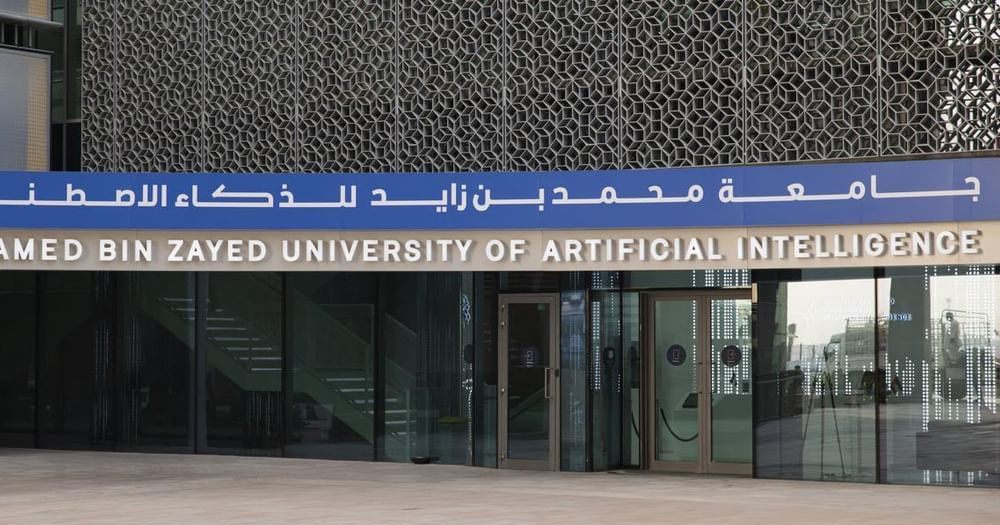
The best time to catch diabetes is before anyone knows it's there. That is the bet behind new research at the Mohamed bin Zayed University of Artificial Intelligence (MBZUAI), where teams are applying AI to find the earliest signs of the disease in health and genetic data.
The university announced the work around World Diabetes Day, observed each year on 14 November. Its focus is early detection: identifying who is at risk, and why, long before a routine blood test raises a flag. The material available so far describes the approach rather than clinical results, so it is best read as a direction of travel, not a finished tool.
How does it work?
The researchers are analysing two broad kinds of information. The first is health indicators, the everyday clinical measures that can drift in the years before a diagnosis. The second is genetic markers, which can show inherited susceptibility that no single check-up would reveal.
Machine learning suits this problem. A clinician can weigh a handful of variables at once. A trained model can weigh hundreds, and spot combinations that look unremarkable alone but meaningful together. In practice, that means moving from a blunt question, is this patient's blood sugar high today, to a sharper one: how likely is this person to develop diabetes, and which factors are driving that risk?
Why does it matter?
Diabetes is often silent in its early stages. By the time it is diagnosed, complications may already be developing. Earlier warning changes what doctors can do. Lifestyle advice, monitoring and treatment can start sooner, when they work best.
For health systems, the benefits are practical:
- Screening can be targeted at higher-risk groups instead of spread thinly across everyone.
- Prevention programmes can be matched to individual risk profiles.
- Costly late-stage care, from kidney disease to cardiovascular events, can be reduced over time.
But a risk model is only as good as its data, and its fairness depends on who is represented in that data. Models trained mostly on European populations can perform poorly elsewhere. Research built in the Gulf, on Gulf populations, speaks directly to that gap.
The context
The UAE and its neighbours carry a heavy diabetes burden, driven by sedentary lifestyles, diets that have shifted quickly, and genetic factors. The International Diabetes Federation consistently ranks the MENA region among those with the highest prevalence worldwide. So the disease is not an abstract concern here. It is a budget line, a workforce issue and a family story.
That is why this research fits so neatly with national strategy. The UAE has made preventive and personalised medicine a stated priority, with genomics programmes and national health data initiatives running alongside its AI ambitions. Saudi Arabia's Vision 2030 and its health sector transformation programme point the same way, towards prevention and digital tools over reactive, hospital-centred care.
MBZUAI sits at the intersection of those efforts. It was built to train AI talent and produce research, and health is one of the obvious places where that investment can show returns.
Still, the hard part comes next. Research findings must be validated in clinical settings, approved by regulators and fitted into hospital workflows. Data privacy rules, especially around genetic information, will shape how far and how fast any tool can spread. Clinicians also need to trust a model's output before they act on it.
If those hurdles are cleared, early detection could become routine in Gulf primary care. That would be a meaningful shift for a region where diabetes is common and, too often, found late.
Latest @
UTOPIA backs Mentix, putting surgical mentoring on Qatar's startup map
UAE-made diagnostic kits are about to travel further
Saudi Arabia and the UK want new medicines to reach patients faster
Abu Dhabi doctors perform the world's fifth reported transplant for NIK deficiency
💡Did you know?
You can take your DHArab experience to the next level with our Premium Membership.👉 Click here to learn more
🛠️Featured tool
 Easy-Peasy
An all-in-one AI tool offering the ability to build no-code AI Bots, create articles & social media posts, convert text into natural speech in 40+ languages, create and edit images, generate videos, and more.
👉 Click here to learn more
