

Abu Dhabi turns genomics toward early childhood intervention
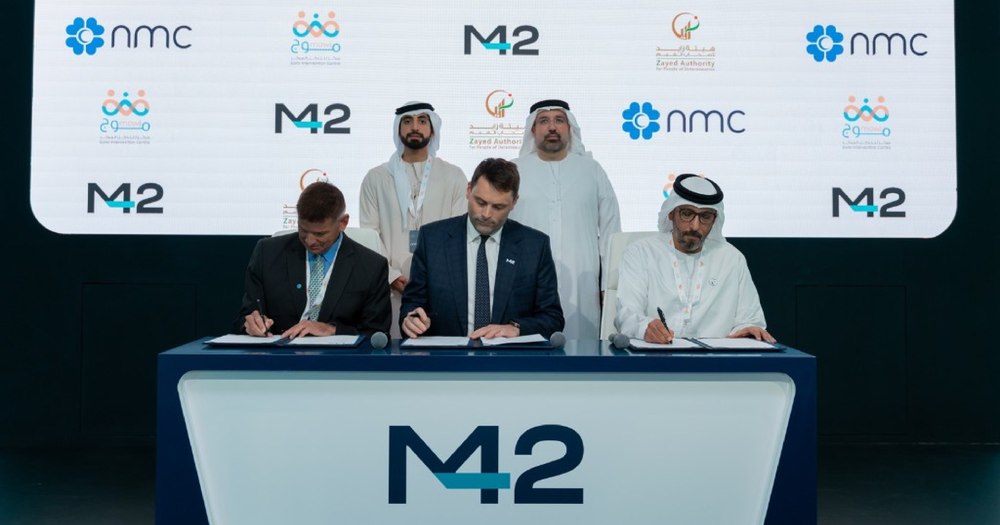
Parents of a child with a developmental delay often wait years for an answer. A new Abu Dhabi partnership wants to shorten that wait by putting genetic testing inside an early intervention centre, where children are already being supported.
M42, Zayed Authority for People of Determination and NMC Healthcare signed a Memorandum of Understanding at Abu Dhabi Future Health Summit 2026. The three will explore genetic testing and research for children at Mowj Early Intervention Centre. The aim is to improve understanding of neurodevelopmental disorders and developmental delays, and to inform more personalized clinical care.
This is an MoU, not a launched service. No timelines, case numbers or outcomes have been announced. But the division of responsibilities is spelled out clearly, and that tells us a good deal about how the partners intend to proceed.
How will it work?
Each partner has a defined role. M42 will carry out the genetic testing, including sample collection and laboratory analysis, and share results with partners under agreed governance and privacy frameworks. It will also take part in research into genetic factors linked to neurodevelopmental conditions.
NMC Healthcare will handle informed consent, genetic counselling and communication of results. It will also help specialist teams plan clinical care. Zayed Authority for People of Determination will provide strategic oversight, support beneficiaries and coordinate with relevant authorities so the programme meets families' needs and regulatory requirements.
The partners will also look at future precision medicine applications. Everything sits within approved medical and regulatory frameworks.
Why does it matter?
For families, a genetic result can explain why a child is developing differently. It can also guide which therapies to try first. That is the logic behind the collaboration. As Dr David Kavanagh of M42 put it, the goal is to identify the underlying factors contributing to these conditions and support personalized care informed by scientific evidence.
Counselling is the part clinicians will watch most closely. A result without explanation can confuse as much as it helps, so giving NMC Healthcare responsibility for consent and communication is a sensible choice.
Frank DeLisi of NMC Healthcare said the collaboration opens opportunities to advance clinical innovation and contribute to precision medicine. His Excellency Abdulla Abdulalee Al Humaidan, Acting Director General of Zayed Authority, pointed to the potential to support clinical decision-making and tailor interventions to each child.
The context
The agreement builds on M42's earlier work with Zayed Authority through the Emirati Genome Programme for People of Determination and their families. That programme gathered genomic insight. This MoU extends its potential use into early intervention services, where the findings could influence care at an earlier age.
It also fits a wider regional pattern. The UAE has made genomics a pillar of its healthcare strategy, and Gulf states are moving toward preventive, data-informed medicine in line with national visions such as Saudi Vision 2030. Local genomic data matters here, because Arab populations are underrepresented in global research databases.
Still, the test will be delivery. Health leaders should look for how consent is handled, how data is governed, and whether results change care plans in practice. If those pieces work at Mowj, the model could travel to other centres across the GCC.
Latest @
UTOPIA backs Mentix, putting surgical mentoring on Qatar's startup map
UAE-made diagnostic kits are about to travel further
Saudi Arabia and the UK want new medicines to reach patients faster
Abu Dhabi doctors perform the world's fifth reported transplant for NIK deficiency
💡Did you know?
You can take your DHArab experience to the next level with our Premium Membership.👉 Click here to learn more
🛠️Featured tool
 Easy-Peasy
An all-in-one AI tool offering the ability to build no-code AI Bots, create articles & social media posts, convert text into natural speech in 40+ languages, create and edit images, generate videos, and more.
👉 Click here to learn more
