

Abu Dhabi wants your smartwatch data to count in the clinic
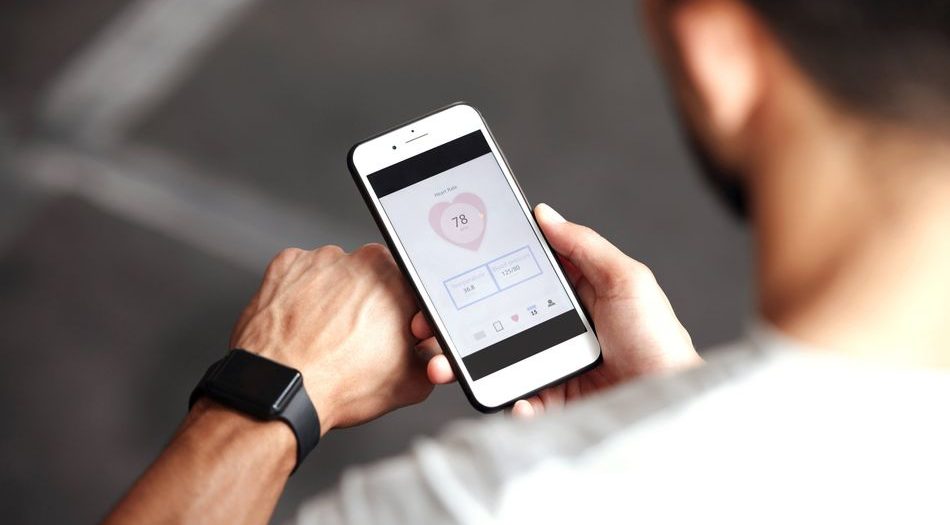
Millions of people already wear a device that tracks their heart rate, sleep and movement. Very little of that data ever reaches a doctor. Abu Dhabi now has a plan to change that, and it starts with treating wearables as part of the health system rather than a gadget on the wrist.
What's the news?
Future Health, a global initiative by Abu Dhabi, has published Embedding Wearables into the Future of Health and Wellbeing. Deloitte contributed as knowledge partner. The whitepaper looks at how wearable technology could support more preventive, personalised and continuous care.
Its core is a five-pillar framework:
- Technology and interoperability
- Data governance and privacy
- Regulatory and policy enablement
- Consumer and clinical adoption
- Ecosystem partnerships and innovation
A three-phase roadmap follows. Build covers policy clarity, technical standards, early pilots and stakeholder alignment. Accelerate moves towards deeper integration with health platforms and provider workflows. Transform treats wearable data as a routine, trusted input into precision prevention, clinical decisions and population health management.
The paper names priority use cases: diabetes and obesity, maternal health, elderly fall risk and preventive wellness.
Why does it matter?
The market is growing fast. The global wearables market was valued at USD 92.9 billion in 2025 and is projected to reach USD 229.9 billion by 2033. But the paper finds that growth in devices has not translated into growth in clinical value. Data quality and clinical validation remain open questions. Technology ecosystems are fragmented. Privacy and governance rules are unsettled, and clinicians have few ways to use the data in their daily work.
H.E. Dr Noura Khamis Al Ghaithi, Undersecretary of the Department of Health, Abu Dhabi, put the opportunity plainly. The largely untapped value of wearables, she said, lies in connecting their insights with the health system to support earlier intervention. Rohan Sawhney, Partner at Deloitte Middle East, made a similar point: the challenge is moving beyond individual pilots towards wider integration.
That is a useful framing for any GCC health ministry. Chronic disease, especially diabetes and obesity, is a shared burden across the region. Catching risk earlier is cheaper than treating complications later.
The context
Abu Dhabi is better placed than most to try this. Through Sahatna, the Department of Health combines wearable data with longitudinal records from Malaffi, the emirate's health information exchange, to produce a personalised Health Age score. Users see how clinical and lifestyle factors shape their health. E-prescriptions and the Emirati Genome Program add further layers, linking continuous data to the emirate's focus on prevention, longevity and personalised care.
This fits a wider regional pattern. Saudi Arabia's Vision 2030 health transformation and national digital health strategies across the GCC all point towards data-led, prevention-first systems. The hard part is rarely the device. It is the standards, the consent models and the workflow changes that let a clinician trust a number from a wrist.
The whitepaper reflects Future Health's 2026 theme, 'To Sense is to Predict'. Whether the roadmap delivers will depend on the Build phase. If standards and governance are settled early, the later phases become realistic. If not, wearables will stay what they mostly are today: personal gadgets with a health app attached.
The full whitepaper is available on the Future Health website.
Latest @
Abu Dhabi wants your smartwatch data to count in the clinic
Zoom's healthcare pitch deserves a closer look from Gulf health leaders
Seha Group bets on software and skills to fix Egypt's insurance paperwork
Toothpick and Paymob bring payments into the dental clinic dashboard
A 43-year-old in Abu Dhabi no longer needs blood transfusions
💡Did you know?
You can take your DHArab experience to the next level with our Premium Membership.👉 Click here to learn more
🛠️Featured tool
 Easy-Peasy
An all-in-one AI tool offering the ability to build no-code AI Bots, create articles & social media posts, convert text into natural speech in 40+ languages, create and edit images, generate videos, and more.
👉 Click here to learn more
