

Toothpick and Paymob bring payments into the dental clinic dashboard
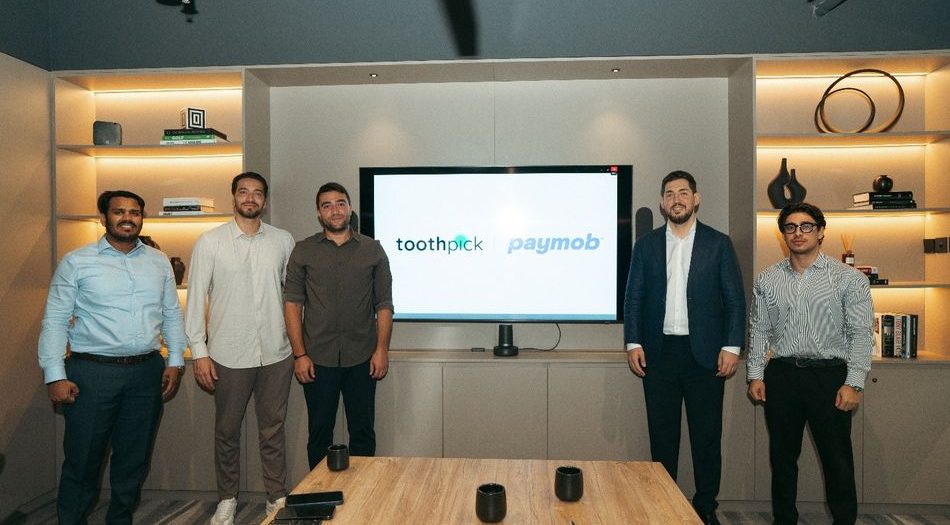
Ask any clinic finance manager what eats their week, and reconciliation will be near the top of the list. Payments arrive from different terminals, online links and card schemes, and someone has to match them all. Toothpick, the UAE-born healthcare technology platform, thinks that job belongs inside the same dashboard clinics already use. Its new partnership with payments company Paymob is built around that idea.
Under the agreement, Paymob will provide online and point-of-sale payment services to participating healthcare providers. Transaction and settlement data will appear in the Toothpick dashboard, next to the financing, buy now pay later and banking tools the platform already offers. The announcement came from Dubai, and the rollout is aimed at dental clinics across the region, with hospitals also named as participants.
How will it work?
Toothpick and Paymob say the partnership rests on three things for clinics:
- A unified dashboard to manage payment activity across providers
- Competitive rates tailored to each clinic's business needs
- Consolidated reporting that gives finance teams clearer oversight and simpler reconciliation
The rollout is not a standard terminal handout. The two companies will first work with each clinic or hospital to understand its current payment setup, transaction volumes and card-scheme mix. Pricing and configuration are then meant to follow actual usage. That matters because a small dental practice and a multi-site hospital group have very different payment profiles, and a single rate card rarely suits both.
Paymob brings considerable reach. Its omnichannel gateway offers more than 60 payment methods and serves over 390,000 merchants. It is licensed by the central banks of Egypt and the UAE, and holds a Payment Technical Service Provider licence from Saudi Payments. Toothpick supplies the healthcare knowledge and the clinic network.
Why does it matter?
For Toothpick, this is a new piece of its finance hub. Sary Azakir, Co-Founder and Chief Growth Officer, said the company's role goes beyond introducing a POS provider, and described payments as an added pillar alongside financing and banking. In practice, that means a clinic can see money coming in and money available to borrow in the same place.
Paymob's Mohamed Arab, VP of Strategic Alliances and Partnerships, framed it as a matter of fit. Toothpick, he said, knows what a clinic's day looks like, from the front desk to the finance team, so payments can be built around how each clinic really works rather than handed over as a one-size-fits-all product.
And that is the real point. Payments in healthcare are rarely a standalone function. They touch patient financing, insurance gaps, procurement and cash flow. When these sit in separate systems, finance teams pay for it in time and errors. Bringing them together should cut administrative work, and the companies say the broader aim is to support wider access to care.
The context
Toothpick operates in five markets: the UAE, Saudi Arabia, Qatar, Egypt and the United Kingdom. Its offering spans embedded finance, healthcare e-commerce, and AI and analytics for the sector. Its marketplace connects providers with local distributors, and its credit and payment tools sit inside patient and clinic journeys.
Paymob, founded in 2015, entered the UAE in 2023 and opened offices in Riyadh and Oman the same year. Its investors include Mubadala, EBRD, PayPal Ventures and British International Investment.
The timing fits a wider regional pattern. Saudi Arabia's Vision 2030 and the UAE's digital health programmes both push providers toward connected, data-driven operations, and private clinics are expected to keep pace. Payments are an obvious place to start, because the data is structured and the pain is easy to measure. Embedded finance is also spreading across GCC sectors, as software platforms take on roles once held by banks and standalone processors.
No pricing figures or launch dates were disclosed, so the real test will be the rates clinics are offered and how quickly the dashboard integration reaches them. Still, the direction is clear. Payment infrastructure is moving from a standalone transaction tool to a built-in part of how clinics and hospitals run. For finance teams in dental practices across the Gulf, that could mean fewer spreadsheets and a clearer picture of cash.
Latest @
Toothpick and Paymob bring payments into the dental clinic dashboard
A 43-year-old in Abu Dhabi no longer needs blood transfusions
A reflux operation performed from a distance shows where Saudi surgery is heading
Walk for Her turns 19 million steps into 1,900 free mammograms
A thyroid operation with no scar on the neck: the UAE performs its first robotic procedure
💡Did you know?
You can take your DHArab experience to the next level with our Premium Membership.👉 Click here to learn more
🛠️Featured tool
 Easy-Peasy
An all-in-one AI tool offering the ability to build no-code AI Bots, create articles & social media posts, convert text into natural speech in 40+ languages, create and edit images, generate videos, and more.
👉 Click here to learn more
