

Khalifa University and Sanofi turn to the genome to understand asthma and COPD in the Gulf
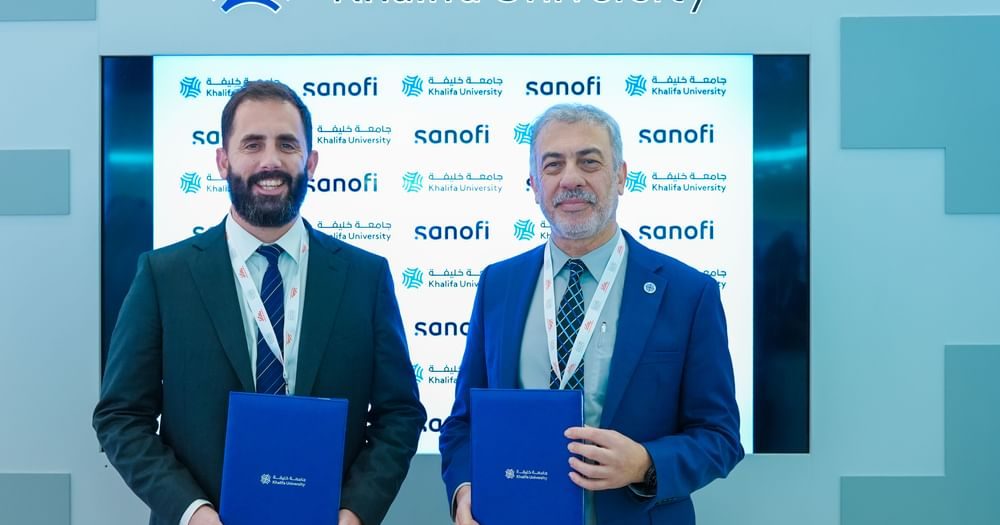
Most of what the world knows about the genetics of lung disease comes from people who don't live in the Gulf. That gap is exactly what Khalifa University of Science and Technology and Sanofi have agreed to start closing, with a strategic research agreement focused on asthma and chronic obstructive pulmonary disease (COPD).
The article provided to me was cut off after its opening lines, so I can only report what it states: the partners will run a genome-wide association study (GWAS), combining Khalifa University's genomic research with Sanofi's expertise. I have not added details such as sample sizes, timelines or funding, because they were not in the source.
How will it work?
A GWAS scans the genomes of many people and looks for small variations that appear more often in those with a given condition than in those without it. No single variant explains a disease like asthma or COPD. The value comes from finding patterns across thousands of data points.
Here, the academic side brings the genomic research capability and the pharmaceutical side brings experience in respiratory drug development. That pairing is common in modern drug discovery. Universities hold the data and the analytical skill, and industry knows which biological targets are worth pursuing into trials.
Why does it matter?
Asthma and COPD are long-term conditions that place steady demand on clinics, emergency departments and household budgets. Treatment today is often trial and error. Two patients with the same diagnosis can respond very differently to the same inhaler or biologic therapy.
Genetic findings can change that. They can point to disease subtypes, flag who is at higher risk, and identify new drug targets. For clinicians, the promise is more precise prescribing. For health systems, it is fewer avoidable admissions.
But there is a catch. Genetic reference data has long leaned heavily toward European populations. Findings drawn from those groups don't always transfer cleanly to Arab populations, whose genetic makeup differs, and where high rates of consanguinity shape the inheritance of some conditions. Research grounded in local data is not a nice extra. It is the only way to know whether global findings hold here.
The context
The agreement fits a clear pattern in the UAE. The Emirati Genome Programme, run out of Abu Dhabi, has set out to sequence large numbers of residents, and the country has made genomics a pillar of its preventive and personalised medicine ambitions. Saudi Arabia is moving the same way under Vision 2030, with its own genome initiatives and a push to build a domestic life sciences sector.
Partnerships like this one are how those national datasets turn into something clinical. Sequencing alone doesn't treat anyone. Someone has to analyse the results, link them to disease, and carry the findings toward therapies.
Still, the real test lies ahead. GCC health leaders should watch for how data is governed, whether results are published openly, and whether findings reach local patients and not only global pipelines. If the study delivers, the Gulf could move from being a consumer of genetic evidence on respiratory disease to a producer of it.
Latest @
Abu Dhabi freezes a nerve to calm MS spasticity, a first for the UAE
Cambridge Health Group and Heriot-Watt University join forces on rehabilitation research
Khalifa University and Sanofi turn to the genome to understand asthma and COPD in the Gulf
Abu Dhabi puts an AI assistant inside every physician's patient record
ADCAN Pharma and M42 sign MoU to build up UAE drug manufacturing and clinical research
💡Did you know?
You can take your DHArab experience to the next level with our Premium Membership.👉 Click here to learn more
🛠️Featured tool
 Easy-Peasy
An all-in-one AI tool offering the ability to build no-code AI Bots, create articles & social media posts, convert text into natural speech in 40+ languages, create and edit images, generate videos, and more.
👉 Click here to learn more
