

Seha Group bets on software and skills to fix Egypt’s insurance paperwork
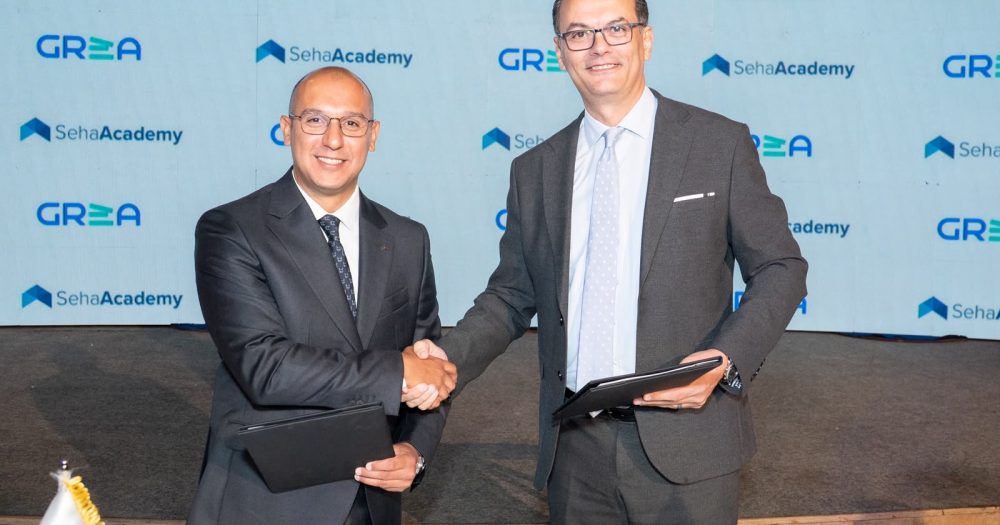
Medical insurance runs on paperwork, and paperwork is where most of its inefficiency lives. Seha Group has decided to attack both the paper and the people who handle it. At its first annual event, the Egyptian company announced a technology partnership with Chubb Life Egypt, a new training academy and two AI-driven products, all in one go.
The event drew around 250 executives, industry leaders and decision-makers from the insurance and education sectors. That mix of audiences was deliberate. Seha is arguing that software alone will not modernize insurance. Trained staff are needed too.
Under the agreement, SehaTech, the group's technology arm, will provide integrated technology to support Chubb Life Egypt's medical and life insurance operations. Chubb's Country President and Managing Director, Eslam Nagah, said the deal pairs Chubb's international insurance experience with SehaTech's technical capability and its grasp of the local market. Seha CEO and co-founder Mohamed El Shabrawy described it as part of a wider plan to collaborate across the insurance industry while investing in technology and professional development.
How will it work?
The partnership has three practical strands. SehaTech's systems will cover the daily mechanics of running an insurer's books:
- Management of insurance groups and beneficiaries
- Invoicing
- Reporting and other operational processes
Separately, SehaOne launched InsureHub and AiDa. AiDa is an AI-powered assistant that answers questions from visitors to an insurer's website and makes insurance information easier to find. Both products sit inside SehaOne's electronic third-party administration (e-TPA) offering. Its platform connects insurers with healthcare providers and supports claims and approvals, using digital tools and data analytics to cut procedural steps.
The third strand is people. SehaAcademy has been created with the British University in Egypt, and GREA UK will manage it under a signed agreement. It will run specialised programmes in medical insurance, life insurance and healthcare management for current professionals and new entrants. It builds on earlier work between SehaOne and the university's School of Continuing Education. GREA UK CEO Mostafa AboElsoud said the programmes will combine academic knowledge with professional training. The announcement gave no pricing, course dates or enrolment figures, so those details remain to be seen.
Why does it matter?
Claims and approvals are the friction points of any health insurance system. Slow approvals frustrate patients, and manual invoicing frustrates hospitals. Errors in either one raise costs for everyone. Automating them is unglamorous work, but it is where measurable savings appear.
The academy matters just as much. Insurers can buy software quickly. They cannot buy experienced claims analysts or healthcare managers at the same speed. Pairing a platform rollout with a training pipeline addresses a bottleneck that many digital health projects ignore, and then regret ignoring.
Chubb's involvement also counts. A global insurer choosing a local technology provider suggests that regional platforms are now credible partners, not just vendors of last resort.
The context
Egypt is rolling out universal health insurance in phases, and that raises the stakes for administration. Any national scheme depends on fast, accurate links between payers and providers. Private players building e-TPA infrastructure may end up supplying part of that connective tissue.
The pattern will be familiar across the GCC. Saudi Arabia's Vision 2030 health transformation programme and the UAE's push for unified digital health records both rest on the same idea: standardized data moving cleanly between insurers, hospitals and regulators. The UAE's Malaffi and Riayati-style exchanges, and Saudi Arabia's NPHIES platform, show how much value sits in interoperability. Egyptian firms working on similar problems could become useful partners or competitors for Gulf insurers expanding in North Africa.
Talent is the other shared theme. Gulf governments have spent years funding programmes to build local expertise in health management and digital health. Seha's academy is a smaller, private version of that effort.
Still, announcements are not results. The test will be whether Chubb Life Egypt reports faster claims handling and lower administrative costs, and whether the academy fills its classrooms. If both happen, Seha will have shown that a single Egyptian company can modernize the machinery and the workforce together.
Latest @
Abu Dhabi wants your smartwatch data to count in the clinic
Zoom's healthcare pitch deserves a closer look from Gulf health leaders
Seha Group bets on software and skills to fix Egypt's insurance paperwork
Toothpick and Paymob bring payments into the dental clinic dashboard
A 43-year-old in Abu Dhabi no longer needs blood transfusions
💡Did you know?
You can take your DHArab experience to the next level with our Premium Membership.👉 Click here to learn more
🛠️Featured tool
 Easy-Peasy
An all-in-one AI tool offering the ability to build no-code AI Bots, create articles & social media posts, convert text into natural speech in 40+ languages, create and edit images, generate videos, and more.
👉 Click here to learn more
