

A 43-year-old in Abu Dhabi no longer needs blood transfusions
For decades, Fahad's calendar was set by a needle. Regular blood transfusions shaped his work, his travel and his energy. At 43, he no longer needs them. That single fact says more about where genetic medicine in the Gulf is heading than any press release could.
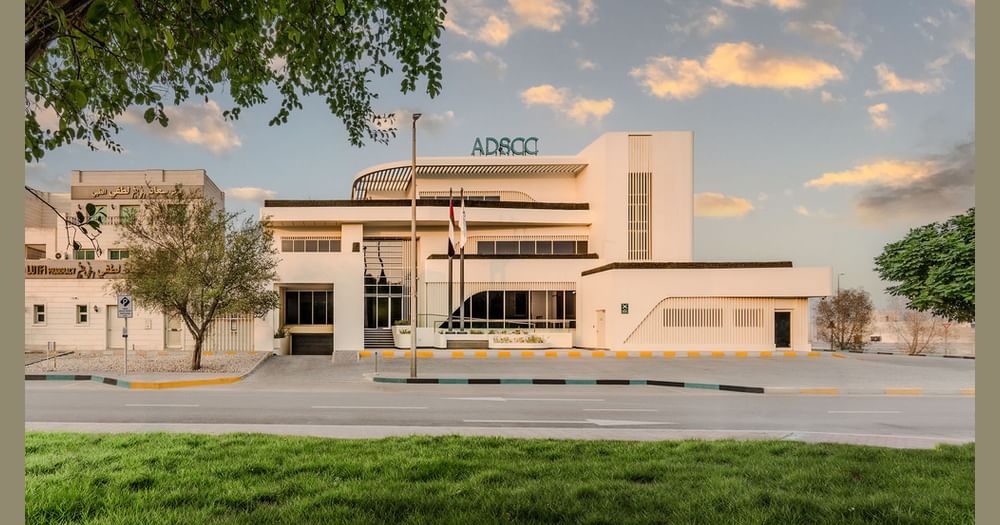
Yas Clinic, working with the Abu Dhabi Stem Cells Center (ADSCC), treated Fahad with gene therapy for thalassemia. The teams report that he is now independent of transfusions after years of relying on them to manage his condition. The article provided is truncated, so details such as the specific therapy used, follow-up length and hemoglobin levels were not available to me. Readers should look for those figures as they are published.
How does it work?
Thalassemia is an inherited blood disorder. A faulty gene limits the body's ability to make healthy hemoglobin, the protein that carries oxygen in red blood cells. Patients with severe forms need transfusions every few weeks, often for life.
Gene therapy tackles the cause rather than the symptom. The general process works in steps:
- Blood stem cells are collected from the patient.
- In a specialist laboratory, those cells are modified so they can produce working hemoglobin.
- The patient receives conditioning treatment to make room in the bone marrow.
- The corrected cells are infused back, and they settle in the marrow and begin producing healthier red blood cells.
The patient's own cells are used, so there is no need to find a matched donor. That matters, because many patients never find one.
Why does it matter?
Consider what transfusion dependence costs. There are hospital visits, iron overload that damages the heart and liver, medication to remove that iron, and lost working days. For a patient, it is a life organized around treatment. For a health system, it is a steady, expensive burden that never ends.
A one-time therapy changes that arithmetic. The upfront price is high, and cost remains the central question for payers. But if a patient can stop transfusions and chelation therapy, the long-term savings and the gain in quality of life are real. Fahad's case is one patient, and caution is warranted. Still, it is a concrete signal.
The context
Thalassemia is common across the Arab world, and the Gulf has long dealt with the consequences of high rates of inherited blood disorders. The UAE introduced premarital screening years ago, and genomic medicine now sits at the center of Abu Dhabi's health strategy, through the Emirati Genome Programme and the growing life sciences cluster supported by the Department of Health. Saudi Arabia's Vision 2030 health goals point the same way, with investment in genomics and advanced therapies.
So this result fits a pattern. Gulf states are no longer only buying treatments developed elsewhere. They are building the clinical capacity to deliver them at home. That means trained teams, cell-processing facilities and regulatory pathways that can handle complex therapies.
The next test is scale. Can these centers treat more patients, publish long-term outcomes and agree sustainable pricing with insurers? If they can, Fahad's story will be the start of a regional model, not an exception.
Latest @
Toothpick and Paymob bring payments into the dental clinic dashboard
A 43-year-old in Abu Dhabi no longer needs blood transfusions
A reflux operation performed from a distance shows where Saudi surgery is heading
Walk for Her turns 19 million steps into 1,900 free mammograms
A thyroid operation with no scar on the neck: the UAE performs its first robotic procedure
💡Did you know?
You can take your DHArab experience to the next level with our Premium Membership.👉 Click here to learn more
🛠️Featured tool
 Easy-Peasy
An all-in-one AI tool offering the ability to build no-code AI Bots, create articles & social media posts, convert text into natural speech in 40+ languages, create and edit images, generate videos, and more.
👉 Click here to learn more
