

Teladoc launches unified virtual care model designed to treat the whole person, not just the diagnosis
Fragmented care is one of the most stubborn problems in modern healthcare. Patients move between specialists, repeat their histories, fall through the gaps between appointments, and manage multiple conditions with no single clinical voice coordinating the picture. Teladoc Health thinks it has an answer.
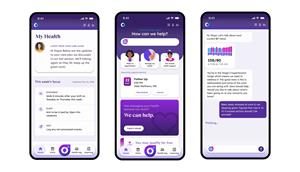
The New York-listed virtual care company announced Teladoc One on July 23, 2026, describing it as a fundamentally new model of care. The idea is straightforward: rather than building separate digital solutions for separate conditions, Teladoc One is built around the individual. It continuously adapts to each person's changing health needs, with multidisciplinary care teams delivering and coordinating care across virtual settings while also working alongside a patient's existing local providers.
Always-on AI support runs through the entire experience, guiding both clinicians and patients at every step. But the technology is positioned as support infrastructure, not the primary clinician. The human care team remains central.
How does it work?
Teladoc One is built on a predictive and adaptive model. Instead of reacting to individual episodes of illness, the platform is designed to anticipate needs and adjust care plans over time. Key elements include:
- Multidisciplinary care teams that coordinate across conditions rather than treating each in isolation
- AI tools that provide continuous clinical support and flag emerging health risks
- Integration with a member's existing local and specialist providers
- A single, connected experience rather than multiple disconnected apps or programmes
The platform is designed to lower the total cost of care over time, on the premise that better-coordinated, preventive virtual care reduces expensive interventions later.
Why does it matter?
Across the GCC, health systems are under similar pressure. Saudi Arabia's Vision 2030 has made healthcare digitisation a national priority, with a clear push toward preventive care and reduced reliance on hospital-based treatment. The UAE has invested heavily in health technology infrastructure, and the wider Gulf region is actively importing and piloting virtual care models.
The Teladoc One announcement is relevant here because fragmentation is not a uniquely American problem. Patients in the region often manage chronic conditions, including diabetes and cardiovascular disease, which are disproportionately prevalent across Gulf populations, across multiple providers with limited coordination. A model that integrates AI with human clinical teams, and connects virtual and in-person care, addresses a gap that regional health planners are already trying to close.
So while this is a US product launch, the architecture it describes is exactly what GCC policymakers are trying to build through national health information exchanges and integrated care programmes.
The context
Teladoc Health has had a difficult few years financially, facing investor pressure after its high-valuation pandemic era. Teladoc One reads partly as a strategic repositioning, moving away from point solutions toward a platform model that is harder to replicate and easier to justify at an enterprise level.
The broader virtual care market is maturing. Early telehealth adoption was driven by access and convenience. The next competitive frontier is clinical quality and cost outcomes. Teladoc is betting that whole-person, AI-supported care coordination is where that argument gets won. Whether regional health systems and payers in the Gulf agree will depend on the evidence that follows.
Latest @
Tunisia bets on telehealth as it prepares to host Telehealth Connect 2026
Wearable AI system developed by Qatar medical students flags cardiac risk outside hospital
GLP-1 consultations surge 60% at Valeo Health as UAE weight management shifts toward continuous care
Abu Dhabi sends first health mission to China, targeting AI, cancer care and new drug development
UAE pharmaceutical chief meets Moderna co-founder in New York to explore manufacturing and R&D ties
💡Did you know?
You can take your DHArab experience to the next level with our Premium Membership.👉 Click here to learn more
🛠️Featured tool
 Easy-Peasy
An all-in-one AI tool offering the ability to build no-code AI Bots, create articles & social media posts, convert text into natural speech in 40+ languages, create and edit images, generate videos, and more.
👉 Click here to learn more
