

Saudi hospital launches remote heart monitoring system that detects problems weeks before symptoms appear
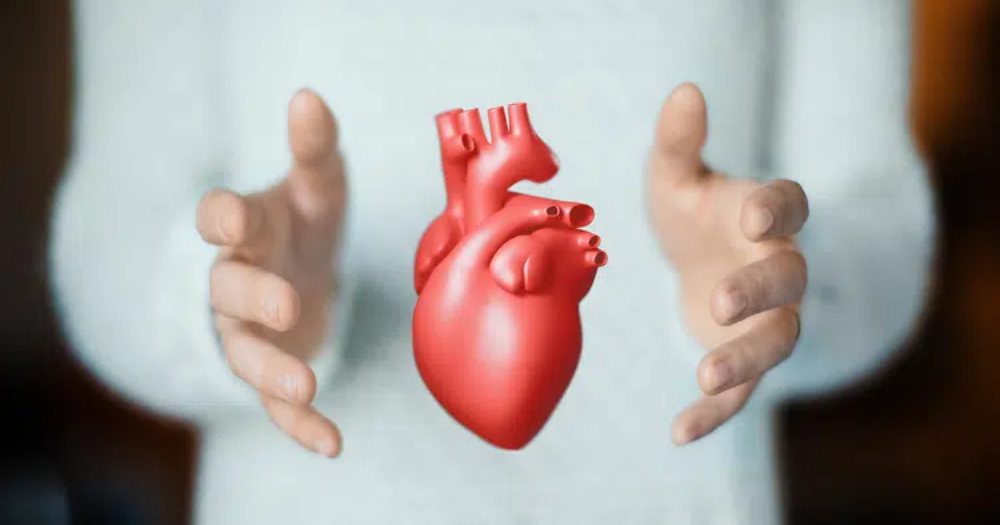
A hospital in Makkah has become one of the first in Saudi Arabia to deploy a remote monitoring system for heart failure patients that can detect dangerous changes in the body days or even weeks before a patient feels anything is wrong. King Abdullah Medical City, part of the Makkah Health Cluster, announced the rollout of the CardioMEMS HF System at its Heart Health Centre on July 19, 2026.
The technology is already approved by major global health regulators and works by measuring pressure inside the pulmonary artery around the clock. That continuous stream of data lets doctors spot early warning signs of fluid buildup and adjust treatment before the patient ends up in the emergency room.
For heart failure patients, hospitalizations are one of the biggest drivers of poor health outcomes and rising costs. A system that keeps patients out of the hospital while giving doctors better data is exactly the kind of shift healthcare providers around the world have been working toward.
How does it work?
The setup has two main parts that work together:
- A tiny wireless sensor, smaller than a paperclip, that a surgeon implants permanently inside the pulmonary artery using a standard right heart catheterization. No battery. No wires.
- A smart home monitoring device that looks like a pillow. The patient lies on it for a few minutes each day, and it automatically reads the sensor data and sends it to the medical team.
The pulmonary artery pressure readings tell doctors how much strain the heart is under and whether fluid is starting to build up in the lungs, a common and dangerous sign that heart failure is getting worse. Catching this early means doctors can tweak medication or other treatments before the situation becomes an emergency.
The system is designed for patients with Class II and Class III heart failure under the American Heart Association classification. These are patients who have noticeable symptoms during physical activity or even at rest, and who are at the highest risk of sudden deterioration.
Why does it matter?
Heart failure is a chronic condition that affects millions of people globally. The problem is not just the disease itself but the cycle it creates: patients feel fine, skip check-ups, fluid builds up quietly, and then they end up in hospital. Repeat that cycle enough times and outcomes get significantly worse.
Remote monitoring breaks that cycle. Instead of relying on a patient to notice something is wrong and call their doctor, the system alerts the medical team automatically. That shift from reactive to proactive care is one of the most important directions modern cardiology is moving in.
For Saudi Arabia specifically, the adoption of this technology at King Abdullah Medical City signals a broader push to bring the country's cardiac care in line with leading international hospitals. The Kingdom has been investing heavily in healthcare infrastructure as part of Vision 2030, and adding proven remote monitoring tools is a concrete step in that direction.
The context
The CardioMEMS HF System was developed by Abbott and received FDA approval back in 2014. Since then, clinical evidence has continued to build. A major study, the CHAMPION trial, showed the system reduced heart failure hospitalizations by 28 percent in the first six months of use.
Remote patient monitoring more broadly has grown rapidly since the COVID-19 pandemic pushed hospitals and patients to find alternatives to in-person visits. What started as a workaround has turned into a recognized standard of care in many countries.
- Wearables and implanted sensors are now common in cardiac care across the US, Europe, and parts of Asia.
- The data generated by these devices is also starting to feed into AI tools that can flag patterns human clinicians might miss.
- Regulatory bodies in the Gulf region have been moving to approve more of these technologies for local use.
King Abdullah Medical City bringing this specific system online puts it alongside hospitals in the US and Europe that have been using it for years. The bigger question now is how quickly other hospitals in the region follow.
Latest @
Tunisia bets on telehealth as it prepares to host Telehealth Connect 2026
Wearable AI system developed by Qatar medical students flags cardiac risk outside hospital
GLP-1 consultations surge 60% at Valeo Health as UAE weight management shifts toward continuous care
Abu Dhabi sends first health mission to China, targeting AI, cancer care and new drug development
UAE pharmaceutical chief meets Moderna co-founder in New York to explore manufacturing and R&D ties
💡Did you know?
You can take your DHArab experience to the next level with our Premium Membership.👉 Click here to learn more
🛠️Featured tool
 Easy-Peasy
An all-in-one AI tool offering the ability to build no-code AI Bots, create articles & social media posts, convert text into natural speech in 40+ languages, create and edit images, generate videos, and more.
👉 Click here to learn more
