

Abu Dhabi researchers find new clue in the fight against Huntington’s disease
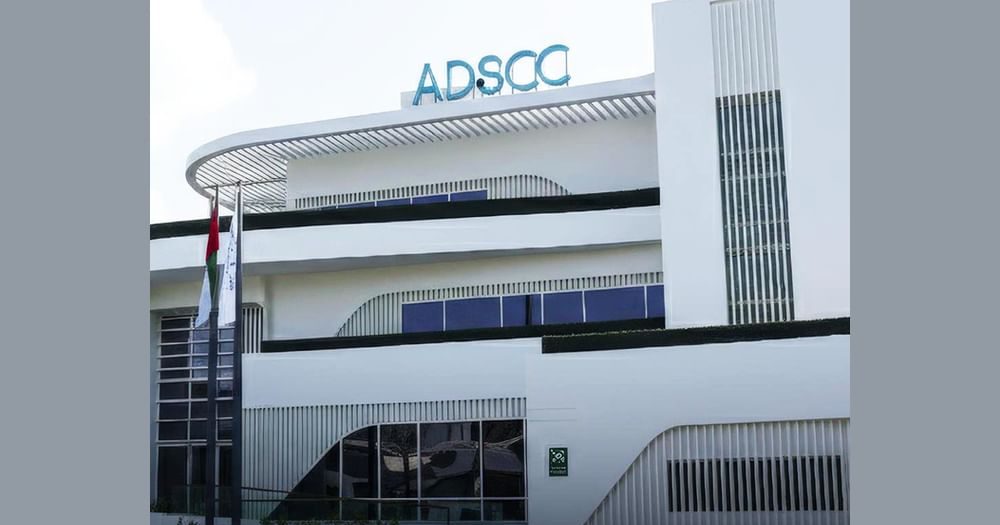
Scientists at the Abu Dhabi Stem Cells Centre have identified a biological mechanism in Huntington's disease that nobody had documented before. The discovery, made using stem cells taken directly from patients, could change how researchers approach treatment development for one of the most devastating neurological conditions known to medicine.
Huntington's disease is a hereditary condition that destroys nerve cells in the brain over time, causing a progressive loss of movement, cognition, and mental health. There is currently no cure, and existing treatments only manage symptoms. That makes any new biological insight significant.
The Abu Dhabi Stem Cells Centre, known as ADSCC, published the findings after studying patient-derived stem cell models, a method that allows researchers to observe disease behavior in human cells without relying on animal models alone.
What's the news?
ADSCC scientists discovered a previously unrecognised mechanism that appears to play a central role in how Huntington's disease develops. The team used stem cells derived from actual patients to identify this mechanism, which had not been described in earlier research.
Key points from the announcement include:
- The discovery was made using patient-derived stem cells, giving the findings direct human relevance
- The mechanism identified is distinct from those already known to researchers in the field
- ADSCC says the finding could be important to future treatment development
Why does it matter?
Huntington's disease affects an estimated 30,000 people in the United States alone, with hundreds of thousands more at risk due to its hereditary nature. Every person who carries the mutated gene will eventually develop the disease if they live long enough. Yet decades of research have produced no cure.
Finding a new mechanism does not mean a treatment is imminent. But it does mean researchers now have a new target to investigate. In drug development, identifying the right biological target is often the hardest part. This discovery gives scientists something new to work with.
The use of patient-derived stem cells also matters. These models more accurately reflect what happens in a real human patient than traditional lab methods, which makes the findings more likely to hold up in clinical settings.
The context
The Abu Dhabi Stem Cells Centre has been positioning itself as a serious player in advanced medical research since its founding. This announcement fits into a broader push by the UAE to build credibility in life sciences and biomedical innovation, backed by significant government investment in research infrastructure.
Stem cell research more broadly has been gaining ground as a tool for studying neurological diseases. Because scientists can reprogram a patient's own cells into stem cells and then into neurons, they can essentially model a patient's disease in a lab dish. This approach has already produced insights in conditions like Parkinson's and ALS.
Huntington's research has seen renewed interest in recent years, with several biotech companies and academic institutions running clinical trials targeting the genetic mutation that causes the disease. A discovery like this one from ADSCC adds to a growing body of work that researchers around the world can build on.
Latest @
Tunisia bets on telehealth as it prepares to host Telehealth Connect 2026
Wearable AI system developed by Qatar medical students flags cardiac risk outside hospital
GLP-1 consultations surge 60% at Valeo Health as UAE weight management shifts toward continuous care
Abu Dhabi sends first health mission to China, targeting AI, cancer care and new drug development
UAE pharmaceutical chief meets Moderna co-founder in New York to explore manufacturing and R&D ties
💡Did you know?
You can take your DHArab experience to the next level with our Premium Membership.👉 Click here to learn more
🛠️Featured tool
 Easy-Peasy
An all-in-one AI tool offering the ability to build no-code AI Bots, create articles & social media posts, convert text into natural speech in 40+ languages, create and edit images, generate videos, and more.
👉 Click here to learn more
