

WHOOP goes Arabic: the wearable brand targets GCC health-conscious consumers with full language overhaul
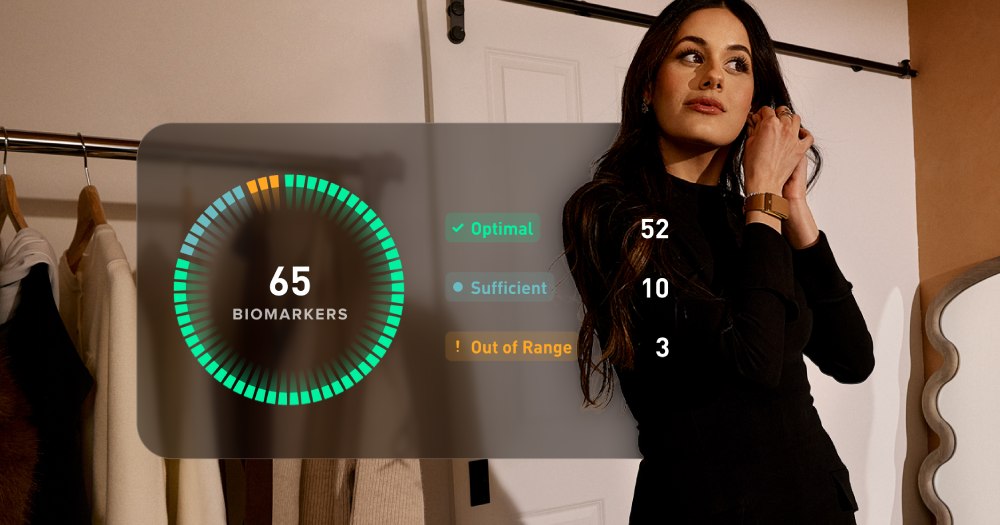
Most global health tech companies translate their apps as an afterthought. WHOOP has done the opposite. The Boston-based performance wearable brand has rebuilt its app experience from the ground up in Arabic, becoming one of the first major wearable platforms to offer Arabic-speaking users genuinely native access to sleep, recovery, strain, and health data in their own language. That is not a minor update. For a region where Arabic is the primary language of over 400 million people, it is a long overdue correction.
The launch is supported by a dedicated out-of-home and digital campaign running across the GCC, targeting the growing base of health-conscious consumers, athletes, and professionals who have made the Gulf one of the most active markets for wearables globally. WHOOP has not disclosed exact subscriber numbers for the region, but the investment behind this rollout suggests the company sees serious commercial opportunity here.
How does it work?
WHOOP is a screenless wearable worn on the wrist that continuously tracks physiological data around the clock. There is no display on the device itself. All insights are delivered through the app, which means the quality of that app experience is central to what the product actually is. The newly redesigned Arabic app gives users access to the platform's core metrics:
- Recovery scores based on heart rate variability, resting heart rate, and sleep performance
- Strain tracking that measures cardiovascular load across activity and daily life
- Sleep coaching with detailed breakdowns of sleep stages and consistency
- Health monitoring features including blood oxygen and skin temperature
- AI-powered insights through WHOOP Coach, now available in Arabic
The interface is fully right-to-left, with Arabic-language coaching cues and personalised recommendations built into the daily experience. This is not a translated overlay. The company says it is a redesigned product layer built for Arabic speakers specifically.
Why does it matter?
The GCC is not a peripheral market for health technology. Saudi Arabia's Vision 2030 has placed preventive health and physical wellness at the centre of national strategy. The UAE has its own ambitious targets around longevity and digital health infrastructure. Across the Gulf, governments are actively pushing citizens toward healthier lifestyles, and consumer spending on health and fitness continues to rise sharply year on year.
But the dominant wearable platforms have historically delivered their most sophisticated features in English first, with Arabic support lagging behind or missing entirely. That gap has real consequences. When insights, coaching, and data are communicated in a second language, users engage less, trust the data less, and are less likely to act on recommendations. WHOOP's decision to invest in a purpose-built Arabic experience addresses something that has quietly frustrated Arabic-speaking users of health platforms for years.
So for regional health professionals and policymakers, this matters beyond brand competition. Better-localised tools mean better engagement with preventive health behaviours, which is precisely what GCC governments are trying to encourage.
The context
WHOOP has been expanding aggressively beyond its original base of elite athletes and sports teams. The platform now positions itself as a tool for anyone serious about understanding their body, from executives managing stress and sleep to everyday fitness enthusiasts tracking their training load. The Arabic launch fits that broader strategy while also responding to competitive pressure, with Apple Watch, Garmin, and Samsung's Galaxy Watch all investing in regional Arabic capabilities in recent years.
What makes this moment notable is the combination of product investment and marketing commitment. An out-of-home campaign across multiple GCC markets is not cheap, and it signals that WHOOP is treating the Arabic-speaking world as a primary market rather than an expansion footnote. Whether the company can convert that visibility into sustained regional growth will depend on pricing accessibility and local partnerships, areas where details remain limited for now. Still, the direction is clear.
Latest @
Blueprint lands in the UAE as longevity moves from policy to product
M42 launches 10,000-patient wearable pilot in Abu Dhabi to reshape chronic disease care
Unilabs Middle East and Takalam link diagnostics to mental health in one app
Al Ghurair enters healthcare with Trellis Health launch in Dubai
💡Did you know?
You can take your DHArab experience to the next level with our Premium Membership.👉 Click here to learn more
🛠️Featured tool
 Easy-Peasy
An all-in-one AI tool offering the ability to build no-code AI Bots, create articles & social media posts, convert text into natural speech in 40+ languages, create and edit images, generate videos, and more.
👉 Click here to learn more
