

UAE hospital performs first calcified artery procedure using new catheter technology
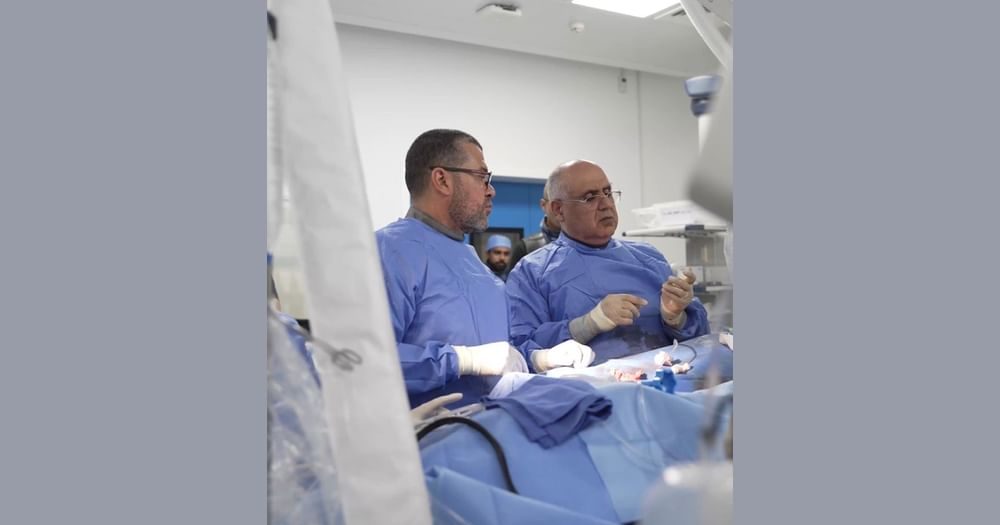
Al Qasimi Hospital in Sharjah has completed the UAE's first procedure to break up calcified deposits in coronary arteries using a new catheter technique. The operation treated an Emirati woman suffering from severe chest pain caused by complex calcification in her heart's blood vessels.
The procedure used a specialized catheter called LithiX, which creates tiny fractures in hardened calcium deposits to prepare arteries for stent placement. The hospital, part of Emirates Health Services, says the technique offers a simpler alternative to existing methods for treating stubborn arterial blockages.
How did it work?
The medical team used the LithiX catheter to address calcification that had built up in the patient's coronary arteries over time. The technology works by:
- Creating micro-fractures in the calcified deposits
- Softening the hardened material blocking blood flow
- Preparing the artery for stent insertion and drug-coated balloons
- Allowing for more effective and longer-lasting treatment
Dr. Aref Al Nuaimi, who heads Al Qasimi Hospital's Cardiac Centre, said the procedure addresses cases where traditional methods struggle with dense calcium buildup in arteries.
Why does it matter?
Calcified coronary arteries present one of the trickiest challenges in heart surgery. The calcium deposits make arteries rigid and difficult to treat with standard balloon angioplasty or stent procedures. Many patients with severe calcification face limited treatment options.
The LithiX system offers several advantages over conventional approaches:
- No need for power generators or batteries
- Simpler operation without complex equipment
- Faster intervention in complicated cases
- Reduced training requirements for medical staff
Dr. Issam Al Zarouni from Emirates Health Services said the technology expands treatment options while potentially reducing complications and improving patient outcomes.
The context
Heart disease remains a leading health concern across the Gulf region, with calcified arteries becoming more common as populations age. The condition typically develops over decades, making arteries stiff and narrow.
Traditional treatment methods for heavily calcified arteries include rotational atherectomy, which uses a high-speed rotating device to grind away deposits. However, these procedures require specialized equipment and extensive training.
The introduction of LithiX technology in the UAE reflects broader trends in cardiac care toward less invasive, more accessible treatment options. Similar catheter-based innovations have gained traction globally as hospitals seek alternatives to complex surgical procedures for high-risk patients.
Latest @
Blueprint lands in the UAE as longevity moves from policy to product
M42 launches 10,000-patient wearable pilot in Abu Dhabi to reshape chronic disease care
Unilabs Middle East and Takalam link diagnostics to mental health in one app
Al Ghurair enters healthcare with Trellis Health launch in Dubai
💡Did you know?
You can take your DHArab experience to the next level with our Premium Membership.👉 Click here to learn more
🛠️Featured tool
 Easy-Peasy
An all-in-one AI tool offering the ability to build no-code AI Bots, create articles & social media posts, convert text into natural speech in 40+ languages, create and edit images, generate videos, and more.
👉 Click here to learn more
