

UAE hospital launches first Middle East coronary imaging system using light and AI
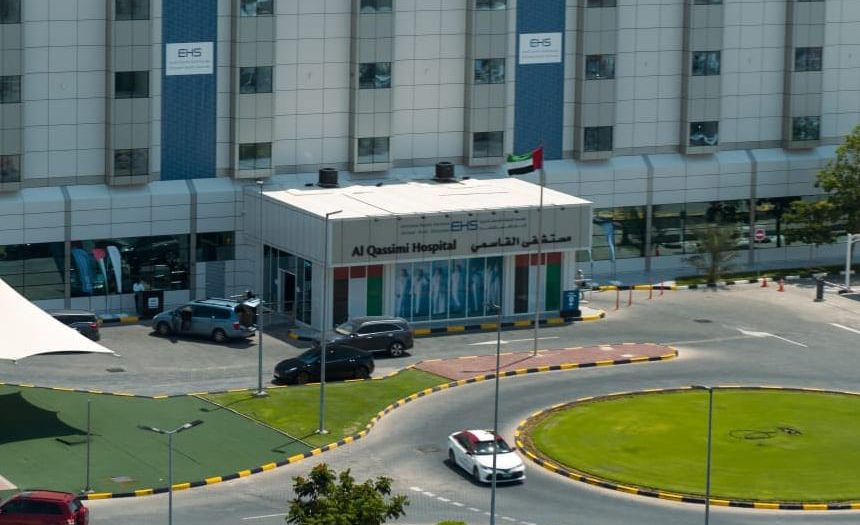
Al Qassimi Hospital in Sharjah has become the first medical facility in the Middle East to deploy Ultreon 3.0, a fourth-generation coronary imaging system that uses light and infrared technology to diagnose heart disease. The hospital, part of the Emirates Health Services network, says the technology offers significantly better accuracy than traditional methods.
The system has already treated its first two patients, both Emirati nationals, with initial results showing improved diagnostic precision. This represents a major step forward for cardiac care in the region, where heart disease remains a leading health concern.
How does it work?
Ultreon 3.0 combines light and infrared radiation to create detailed images of coronary arteries. The key advantages include:
- No contrast dye required for imaging procedures
- Imaging speed of less than one second
- AI-powered data analysis for more precise readings
- 82% accuracy in measuring blood flow velocity, compared to traditional methods
- Ability to identify both fatty and calcified plaque buildup simultaneously
Dr Arif Al-Nouriani, Executive Director and Head of the Heart Centre at Al Qassimi Hospital, explains that the system provides "the most advanced imaging accuracy globally for detecting arterial narrowing and hardening." The technology performs diagnostic imaging and functional analysis at the same time, giving doctors a complete picture of a patient's coronary health.
Why does it matter?
The new imaging system could significantly improve patient outcomes by reducing cardiac stent failure rates in both short and long-term scenarios. This means fewer complications, reduced hospital readmissions, and lower mortality rates for heart disease patients.
The elimination of contrast dye is particularly important for patients with kidney problems or allergies, who previously faced additional risks during coronary imaging procedures. The speed of the new system also reduces patient discomfort and allows for faster diagnosis and treatment decisions.
The context
Heart disease is a major health challenge across the Middle East, with the UAE reporting high rates of cardiovascular conditions linked to lifestyle factors and genetic predisposition. The introduction of advanced diagnostic technology addresses a critical need for more accurate and efficient cardiac care in the region.
This development fits into the UAE's broader healthcare strategy to position itself as a regional medical hub. The Emirates Health Services has been investing heavily in advanced medical technologies as part of its plan to attract medical tourism and provide world-class care to residents.
The deployment of AI-powered medical imaging also reflects the UAE's push to integrate artificial intelligence across various sectors, including healthcare, as outlined in the country's AI Strategy 2031.
Latest @
Blueprint lands in the UAE as longevity moves from policy to product
M42 launches 10,000-patient wearable pilot in Abu Dhabi to reshape chronic disease care
Unilabs Middle East and Takalam link diagnostics to mental health in one app
Al Ghurair enters healthcare with Trellis Health launch in Dubai
💡Did you know?
You can take your DHArab experience to the next level with our Premium Membership.👉 Click here to learn more
🛠️Featured tool
 Easy-Peasy
An all-in-one AI tool offering the ability to build no-code AI Bots, create articles & social media posts, convert text into natural speech in 40+ languages, create and edit images, generate videos, and more.
👉 Click here to learn more
