

Tawam Hospital performs complex colorectal cancer surgery on 81-year-old high-risk patient
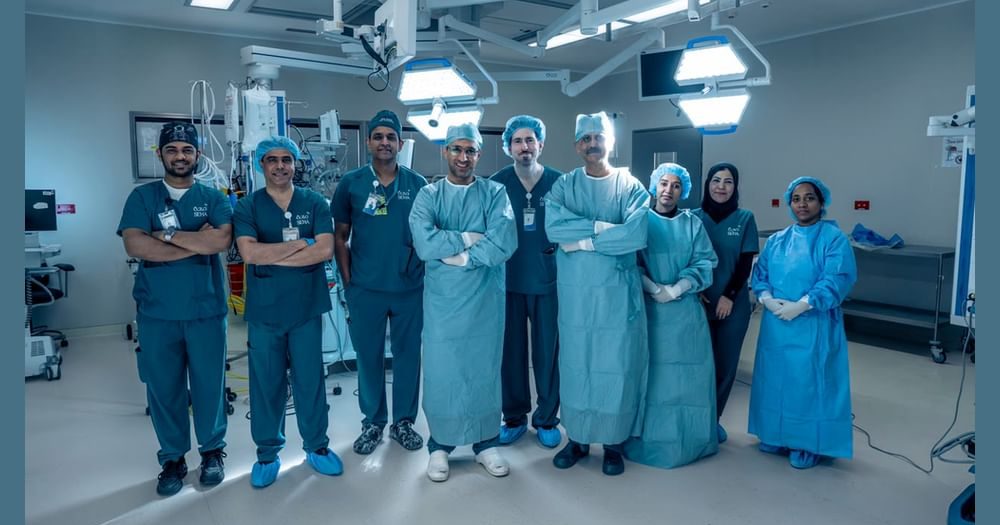
An 81-year-old patient with distal rectal cancer, obesity, and a string of compounding medical conditions walked away from Tawam Hospital after a successful laparoscopic colorectal cancer surgery. That outcome, which many surgical teams would have considered too risky to attempt, says a great deal about where surgical medicine in the UAE is heading.
SEHA, a subsidiary of PureHealth, the largest healthcare group in the Middle East, confirmed the procedure was completed without major complications. The patient's profile made this particularly challenging. Advanced age alone introduces anaesthetic and recovery risks. Add obesity and multiple comorbidities, and many centres would have defaulted to palliative management rather than curative surgery.
But Tawam's colorectal team pressed ahead using a minimally invasive laparoscopic approach, which typically means less blood loss, shorter hospital stays, and faster recovery compared to open surgery. The fact that this was applied to such a high-risk patient is the detail worth focusing on.
How did it work?
Laparoscopic colorectal surgery uses small incisions and a camera-guided instrument to remove cancerous tissue in the colon or rectum. For rectal cancer specifically, the anatomy is tight and the margin for error is narrow. In elderly or obese patients, visibility and access are harder to manage, and the physiological tolerance for a long procedure under general anaesthesia is lower.
The Tawam team's success in this case depended on precise pre-operative risk assessment, a skilled multidisciplinary approach, and the hospital's existing infrastructure for complex oncological care. The patient recovered and was discharged, which is the result that matters.
Why does it matter?
Colorectal cancer is among the most commonly diagnosed cancers in the GCC, and the population is ageing. As life expectancy rises across the UAE and broader Arab world, surgeons will increasingly face patients in their seventies and eighties who need treatment but carry significant risk. The clinical question is no longer just "can we treat the cancer?" but "can we treat it safely in this patient, at this age, with these conditions?"
Cases like this one help answer that question. They also set expectations for what is possible within the UAE's public and semi-public health system, reinforcing that advanced surgical care is accessible, not reserved for a narrow demographic.
The context
Tawam Hospital in Al Ain is one of the UAE's leading oncology referral centres, operating under SEHA and the broader PureHealth network. PureHealth has been central to the UAE's push to build a world-class domestic healthcare system, reducing the need for medical tourism abroad and supporting the goals embedded in UAE Vision 2031 around health outcomes and system capacity.
This case is also part of a wider regional trend. Across the GCC, health authorities are investing in surgical excellence and specialist training to handle increasingly complex patient profiles. The ability to offer curative surgery to elderly, high-risk patients, rather than simply managing their disease, is a marker of a maturing healthcare system. Tawam appears to be moving in that direction.
Latest @
Alameda Healthcare and RoboMasters sign EGP 70 million robotic surgery deal in Egypt
UAE researchers use AI to identify new drug class for blood cancer treatment
Tawam Hospital performs complex colorectal cancer surgery on 81-year-old high-risk patient
Saudi Arabia's Global Health Exhibition returns in 2026 with record ambitions
💡Did you know?
You can take your DHArab experience to the next level with our Premium Membership.👉 Click here to learn more
🛠️Featured tool
 Easy-Peasy
An all-in-one AI tool offering the ability to build no-code AI Bots, create articles & social media posts, convert text into natural speech in 40+ languages, create and edit images, generate videos, and more.
👉 Click here to learn more
