

SSMC adds robotic precision to hip and knee surgery in Abu Dhabi
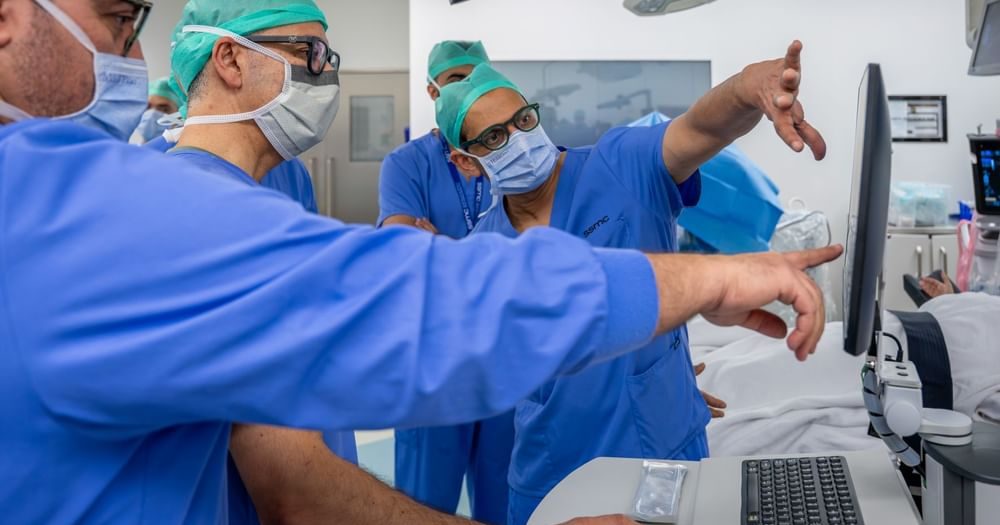
Robotic surgery is no longer a novelty in the Gulf. But the pace at which Abu Dhabi is embedding it into routine clinical practice is worth paying close attention to. Sheikh Shakhbout Medical City, known as SSMC and a subsidiary of PureHealth, has added two advanced robotic systems specifically designed for hip and knee replacement procedures, a move that reflects both growing patient demand and the UAE's broader push to reduce medical tourism by keeping complex care at home.
SSMC is already one of Abu Dhabi's most prominent tertiary hospitals, and this addition fits a clear pattern. PureHealth, which is publicly listed and operates across the UAE, has been steadily building out its surgical capabilities. Bringing robotic orthopaedic systems into the mix signals that the group is serious about competing at the highest clinical level, not just expanding its footprint.
How did it work?
The two systems are designed to support what is known as patient-specific robotic-assisted joint replacement. Before surgery, imaging data from the patient is used to build a detailed plan. During the procedure, the robotic system gives the surgeon real-time feedback and helps control the precision of implant positioning. The robot does not operate independently. The surgeon remains in control throughout, but the technology adds a layer of accuracy that is difficult to achieve consistently through manual technique alone. For joint replacement, where implant alignment directly affects long-term outcomes and patient mobility, that precision matters.
Why does it matter?
Joint replacement is among the most common major surgical procedures performed globally, and demand is rising across the GCC as the population ages and lifestyle-related conditions increase. Getting these procedures right the first time reduces the risk of complications, shortens hospital stays, and lowers the chance of revision surgery down the line. So for both patients and the health system, better outcomes mean lower costs over time. That's a point that often gets lost in conversations that focus only on the upfront investment in new technology. Robotic systems are expensive. But poorly performed joint replacements are also expensive, and far harder on patients.
The context
This development sits squarely within the UAE's ambitions under its national health strategy and Abu Dhabi's own Vision 2030-aligned healthcare agenda. The emirate has invested heavily in building hospital infrastructure capable of handling complex cases that previously required patients to travel abroad. Retaining that clinical activity domestically has both economic and reputational value. PureHealth's role in that picture is significant. As one of the largest integrated health platforms in the region, its investment decisions tend to signal where the market is heading. Other providers across the GCC will be watching. Robotic-assisted orthopaedics is already standard in leading centres across Europe and North America. The Gulf is catching up, and in some respects, it is moving faster than many expected.
Latest @
Blueprint lands in the UAE as longevity moves from policy to product
M42 launches 10,000-patient wearable pilot in Abu Dhabi to reshape chronic disease care
Unilabs Middle East and Takalam link diagnostics to mental health in one app
Al Ghurair enters healthcare with Trellis Health launch in Dubai
💡Did you know?
You can take your DHArab experience to the next level with our Premium Membership.👉 Click here to learn more
🛠️Featured tool
 Easy-Peasy
An all-in-one AI tool offering the ability to build no-code AI Bots, create articles & social media posts, convert text into natural speech in 40+ languages, create and edit images, generate videos, and more.
👉 Click here to learn more
