

Saudi Arabia and France sign health MoU during Crown Prince’s Paris visit
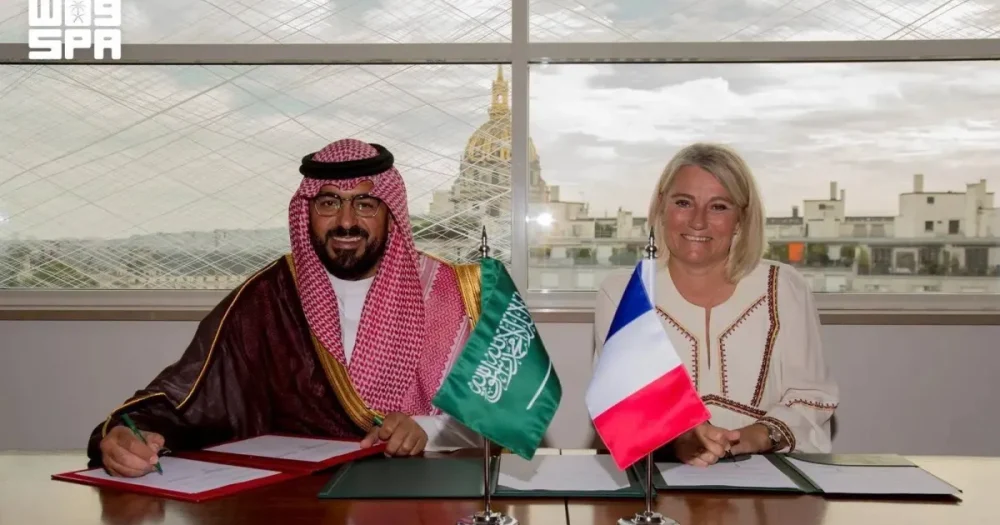
A quiet signing on the sidelines of a state visit can say a lot. When Saudi Minister of Economy and Planning Faisal Alibrahim put pen to paper in Paris this week, representing Health Minister Fahad AlJalajel, he formalized a memorandum of understanding between the Kingdom of Saudi Arabia and the French Ministry of Health, Families, Autonomy and Persons with Disabilities. The signing took place during Crown Prince Mohammed bin Salman's official visit to France, and while the details of the agreement have not yet been made public, the timing and the signatories tell their own story.
Health diplomacy is increasingly central to how Gulf states project soft power and build long-term national capability. Saudi Arabia has been particularly active in this space, using bilateral agreements to accelerate progress across its healthcare sector as part of Vision 2030's ambitious targets, which include reducing the Kingdom's dependence on expatriate medical labor, expanding local pharmaceutical manufacturing, and improving health outcomes for a rapidly growing and aging population.
France, for its part, is one of Europe's most respected healthcare systems. It has deep experience in hospital management, medical education, and pharmaceutical research. So this is not a partnership built on prestige alone. There is real substance to draw from on the French side.
How will it work?
The specific terms of the MoU have not been disclosed. But based on the structure of similar agreements Saudi Arabia has signed in recent years, these frameworks typically cover a range of cooperation areas, including:
- Exchange of medical expertise and training programs
- Joint research and clinical collaboration
- Knowledge transfer in hospital administration and health system management
- Potential pharmaceutical and medical technology partnerships
MoUs of this kind are not binding contracts. They are frameworks that signal political intent and open formal channels for negotiation. The real outcomes depend on what gets built on top of them.
Why does it matter?
Saudi Arabia is spending heavily on healthcare. The sector is one of the core pillars of Vision 2030, with billions earmarked for new hospitals, digital health infrastructure, and medical city development. But capital alone does not build a world-class health system. You need clinical expertise, institutional knowledge, and trained professionals. That's where international partnerships come in.
A formal agreement with France also fits into a broader Gulf pattern. The UAE has signed health cooperation agreements with dozens of countries. Qatar used the World Cup to accelerate health infrastructure deals. Saudi Arabia is now moving with similar intent, using high-profile diplomatic moments to lock in long-term relationships.
The context
Crown Prince Mohammed bin Salman's visit to France was one of the most significant Saudi diplomatic engagements of the year, covering defense, trade, and cultural ties. The health MoU was one of several agreements signed during the visit. It may not have been the headline, but for those watching Saudi Arabia's healthcare transformation closely, it is worth tracking. Agreements like this one tend to quietly shape the sector for years to come.
Latest @
Blueprint lands in the UAE as longevity moves from policy to product
M42 launches 10,000-patient wearable pilot in Abu Dhabi to reshape chronic disease care
Unilabs Middle East and Takalam link diagnostics to mental health in one app
Al Ghurair enters healthcare with Trellis Health launch in Dubai
💡Did you know?
You can take your DHArab experience to the next level with our Premium Membership.👉 Click here to learn more
🛠️Featured tool
 Easy-Peasy
An all-in-one AI tool offering the ability to build no-code AI Bots, create articles & social media posts, convert text into natural speech in 40+ languages, create and edit images, generate videos, and more.
👉 Click here to learn more
