

Samsung Galaxy Watch Ultra2 and Watch9: bigger batteries, brighter screens, and more health data
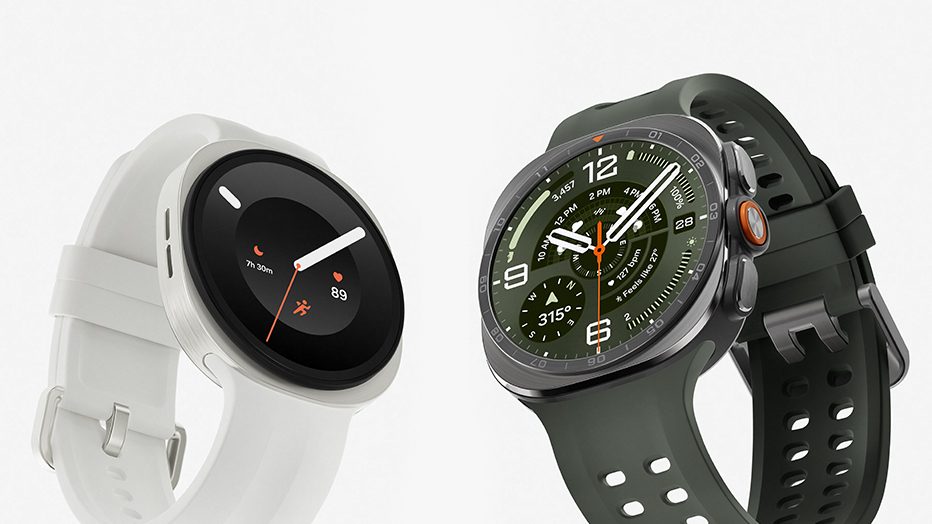
Samsung has announced the Galaxy Watch Ultra2 and Galaxy Watch9, two new smartwatches built around a simple idea: wear it all day, every day, and let it do the health monitoring for you. Both watches were revealed at Galaxy Unpacked on July 22, 2026, alongside the new Galaxy Z Fold8 and Flip8 foldables.
The headline hardware improvements are hard to ignore. The Ultra2 packs an 800 mAh battery, a 35% increase over its predecessor, and a display that hits 5,000 nits of brightness, which Samsung says is a first for any smartwatch on the market. Both watches run on the new Snapdragon Wear Elite platform from Qualcomm, a chip designed to handle the kind of continuous, round-the-clock health tracking Samsung is betting users want.
Pre-orders open in select markets from July 22, with general availability from August 7. The Ultra2 comes in one size, 47mm, while the Watch9 comes in 40mm and 44mm options.
What's new?
The two watches are clearly aimed at different users. The Ultra2 is built for people who push hard outdoors, while the Watch9 is the everyday wellness option. Here's what each brings to the table:
Galaxy Watch Ultra2
- 800 mAh battery, up 35% from the previous Ultra model
- 5,000-nit Super AMOLED display with sapphire crystal glass
- 12% thinner than the previous Ultra, despite the bigger battery
- Trail Run mode with elevation, climbing progress, and terrain impact tracking
- Nutrition Alert feature that estimates sweat loss and tells you when and how much to drink
- Automatic dive tracking for depth, time, and water temperature, with EN13319 certification and 10 ATM water resistance
- A dedicated Ultra2 Diving app developed with Mares, the diving equipment brand, coming later this year
- Titanium casing, MIL-STD-810H certified, rated IP69K
Galaxy Watch9
- 390 mAh battery (40mm) or 445 mAh (44mm)
- 3,000-nit Super AMOLED display
- Aluminum casing with a cushion silhouette and soft-touch bands
- Snapdragon Wear Elite platform for faster, more efficient health tracking
- Available in Cream and Graphite (40mm) or Graphite and Silver (44mm)
Both watches share the same core health features, which Samsung has expanded significantly:
- Sleep Apnea detection - updated with new FDA clearance and AI algorithms to better detect breathing disruptions during sleep
- Vitals - monitors your personal health baseline overnight and sends alerts if something looks off
- Heart Health Score - turns cardiovascular data into a single score with lifestyle recommendations
- Daily Cardio Load - tracks workout volume and suggests recovery time
- Fitness Index - combines multiple fitness metrics into one score with personalized goals
- Hearing protection - monitors ambient noise levels and warns you when they're unsafe
Both watches also come with a 60-day free Strava trial and a two-month iFIT trial.
Why does it matter?
Samsung is clearly trying to turn the Galaxy Watch into something closer to a personal health monitor than a fitness tracker. That's a meaningful distinction. Fitness trackers count steps and record workouts. Health monitors watch for problems you didn't know you had, like sleep apnea or a heart that's working harder than it should.
The sleep apnea feature is a good example of where this is heading. It now has FDA clearance and uses AI to detect breathing disruptions over two nights of data. That's not a toy feature. If it works reliably, it could flag a serious health condition for someone who would otherwise go undiagnosed for years.
The hardware improvements also matter for a simple reason: a watch you take off at night can't track your sleep. By making both watches lighter, thinner, and more comfortable, Samsung is trying to close the gap between "wearable" and "actually worn 24 hours a day." The Ultra2's 800 mAh battery, combined with its slimmer design, is a direct response to that problem.
For the Ultra2 specifically, the partnership with Mares on dive tracking is a smart move. Dive computers are a niche but loyal market. Folding professional-grade dive data into a watch that already does everything else removes one more device from a diver's kit bag.
The context
Samsung is not alone in pushing smartwatches toward medical-grade health monitoring. Apple has been doing similar work with the Apple Watch for years, adding ECG, blood oxygen, and crash detection features. Google's Pixel Watch line is also moving in this direction. The race now is less about who has the best step counter and more about whose health algorithms are most accurate and most trusted.
That's why the FDA clearance for the sleep apnea feature matters beyond the feature itself. Regulatory approval signals to both consumers and healthcare providers that the data coming off these watches is worth taking seriously.
The Snapdragon Wear Elite platform is also worth noting. Qualcomm has been working to improve smartwatch chip performance for years, and the move to a 3nm penta-core chip means more processing power with better battery efficiency. That's the kind of underlying improvement that makes all the AI health features actually possible to run on a device the size of a watch.
Samsung says the Galaxy Watch Ultra2 and Watch9 are part of a broader AI ecosystem that also includes the new Galaxy Z Fold8 and Flip8, as well as Samsung's Galaxy Ring. The idea is that health data flows across all of these devices, giving users a more complete picture of their wellbeing than any single gadget can provide on its own.
Latest @
Blueprint lands in the UAE as longevity moves from policy to product
M42 launches 10,000-patient wearable pilot in Abu Dhabi to reshape chronic disease care
Unilabs Middle East and Takalam link diagnostics to mental health in one app
Al Ghurair enters healthcare with Trellis Health launch in Dubai
💡Did you know?
You can take your DHArab experience to the next level with our Premium Membership.👉 Click here to learn more
🛠️Featured tool
 Easy-Peasy
An all-in-one AI tool offering the ability to build no-code AI Bots, create articles & social media posts, convert text into natural speech in 40+ languages, create and edit images, generate videos, and more.
👉 Click here to learn more
